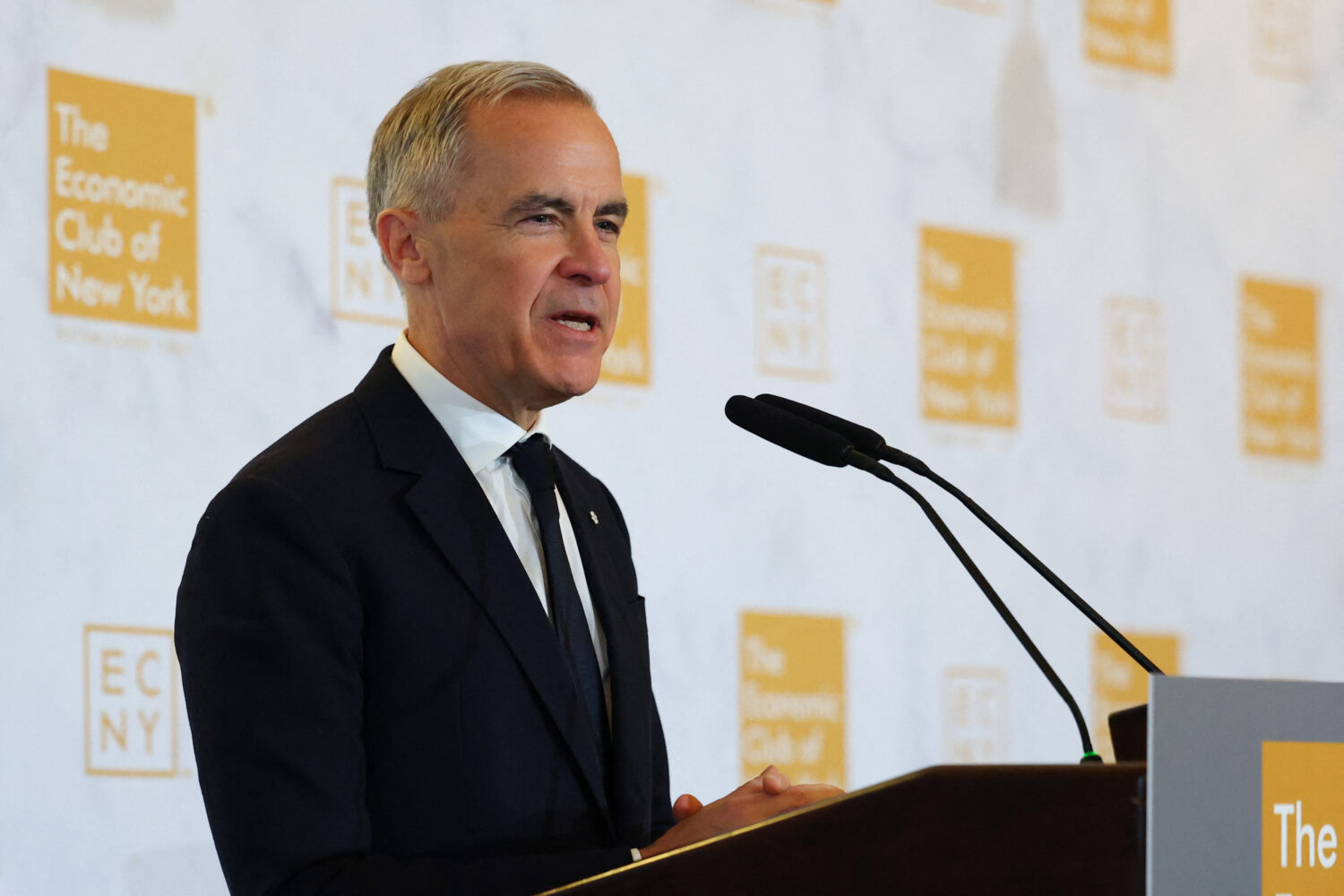

"I would like to tell you that the other countries, especially intermediate powers like Canada, are not powerless," Carney said. "They have the capacity to build a new order that encompasses our values, such as respect for human rights, sustainable development, solidarity, sovereignty and territorial integrity of the various states."
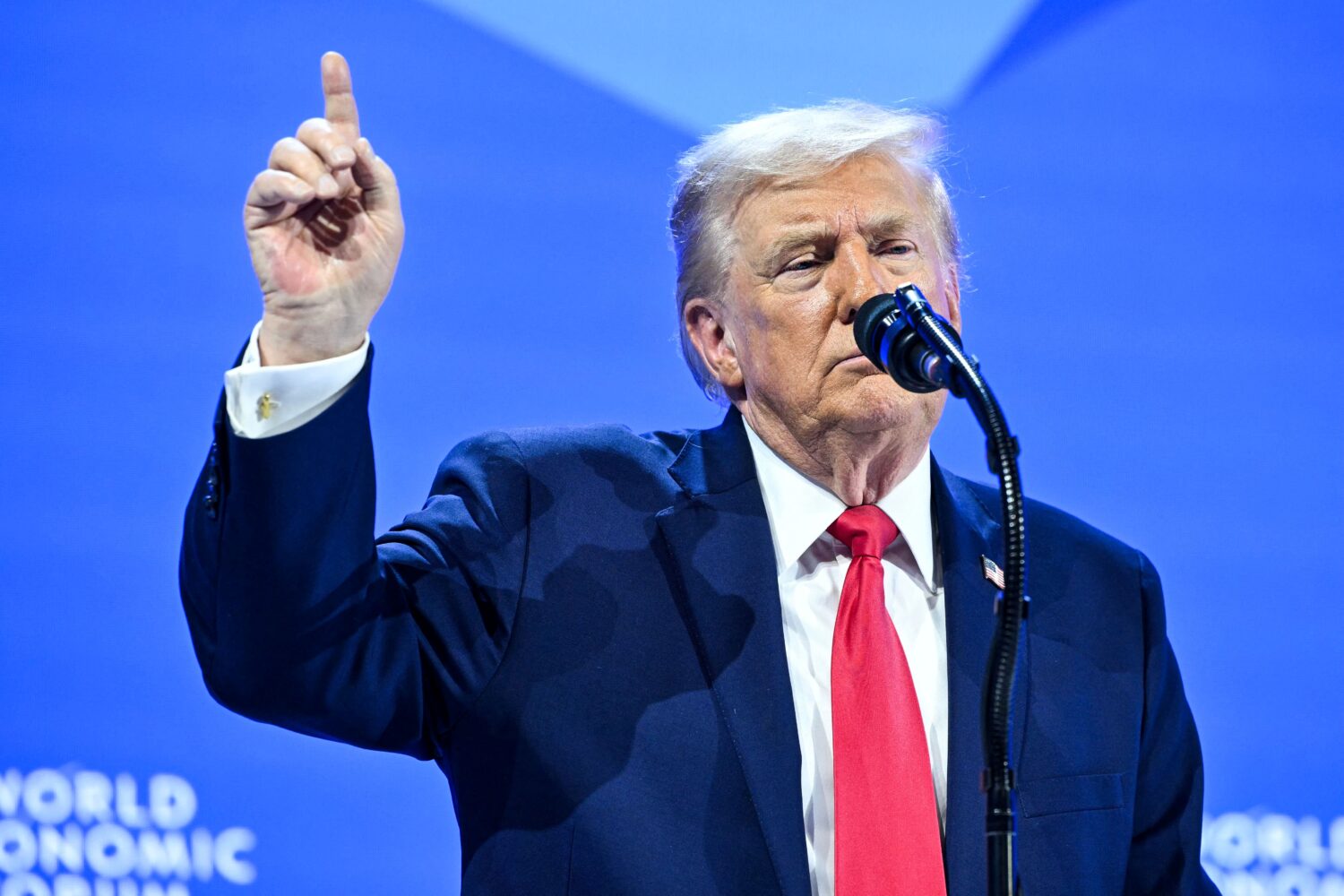
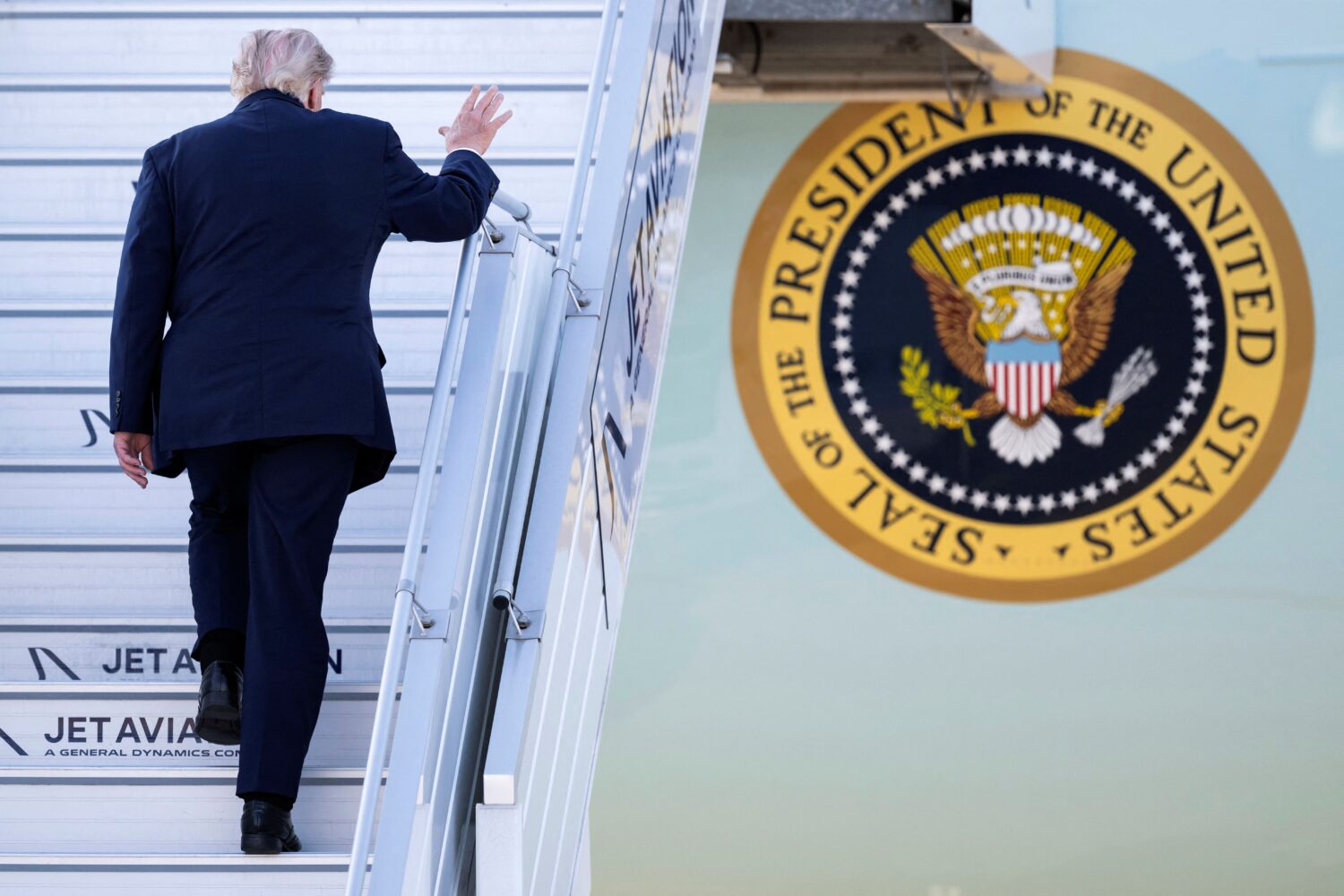
Although Carney stopped short of criticizing any country or leader, his remarks appeared to be prompted by U.S. President Donald Trump, who has shown a willingness to use pressure tactics even against U.S. allies.
Carney is widely viewed as advocating the reconstruction of global governance based on multilateralism and respect for rules. In recent years, major powers such as the United States and China have intensified their struggle for influence, weaponizing not only military strength but also economic instruments such as tariffs, export controls and supply chains. At the same time, international institutions, including the United Nations and the World Trade Organization, have become increasingly dysfunctional. As a result, the rules-based international order that underpinned the post-World War II period is at risk of unraveling.
Host of Global Challenges
The world today faces a host of global challenges that no country can resolve alone. Climate change, pandemics, terrorism, refugee crises and the regulation of artificial intelligence all demand coordinated international responses. Yet the Trump administration has continued to pursue an isolationist course, withdrawing from the Paris Agreement on climate change, pulling out of the World Health Organization and undermining the postwar trade order through steep tariffs.Assessing the current situation, Kazuhiro Maeshima, a professor of U.S. politics at Sophia University in Tokyo, warned: "Global governance is being severely shaken. I believe this is a critical situation." He noted that while the market economy became increasingly globalized in the post-Cold War era, disparities also widened, fueling public frustration over the perception that national wealth was flowing overseas. "With the emergence of Trump, a backlash against global governance became evident," Maeshima said. He identified the "my country first" approach as one of the defining features of what he called the "post-post-Cold War period."
Some Japanese government officials have also expressed concern about the current state of global governance. Discussing why multilateralism has become increasingly ineffective, Ryo Nakamura, director-general and assistant minister for global issues at the Foreign Ministry, said, "While the international community has undergone major transformations, the framework for international cooperation has changed very little, and the gap between that framework and reality has continued to widen."
Turning Point for International Order
"What we are seeing is a historic turning point for the order the United States has devoted itself to building," Maeshima said. "Still, this is also an era in which global governance is truly needed. We must turn this crisis into an opportunity." He emphasized the importance of advancing reforms of international organizations, including the United Nations and the WTO, while continuing to underscore the value of global governance.
Nakamura emphasized that "to gain public understanding, we need to demonstrate that promoting international and multilateral cooperation serves the national interest." He also reaffirmed Japan's commitment to multilateralism, saying: "For the development of humanity, it's essential that countries cooperate with each other under shared rules. We need to create an environment in which all countries can coexist peacefully."
Unique Position
Under these circumstances, what can Japan do to help strengthen global governance?"Japan has a significant role to play," Maeshima argued. "Japan can make good use of its unique position as an ally of the United States while also being able to collaborate closely with countries in Europe and Asia."
As one example, he cited Japan's contribution to Britain's successful bid to join the Comprehensive and Progressive Agreement for Trans-Pacific Partnership (CPTPP), a multilateral framework for free trade. Britain formally acceded to the agreement in December 2024, becoming the first European country to join.
A European expert also expressed high hopes for the role Japan can play in enhancing global governance. Japan is "a democratic and politically stable country that has consistently defended and promoted multilateralism and liberal norms," said Celine Pajon, a research fellow and head of Japan and Indo-Pacific Research at the Center for Asian Studies of the French Institute of International Relations (IFRI).
She highlighted Japan's distinctive position in the international community, noting that the country "has established itself as a key player, particularly through its efforts to sustain dialogue and maintain ties between its American ally and its European partners, as well as by encouraging engagement (by the Group of Seven advanced economies) with the Global South."
Responding to such expectations, Nakamura said: "Japan has friendly relations with numerous countries around the world. In multilateral relations, we want to play a role in connecting those countries."
Multilateralism Not Dead
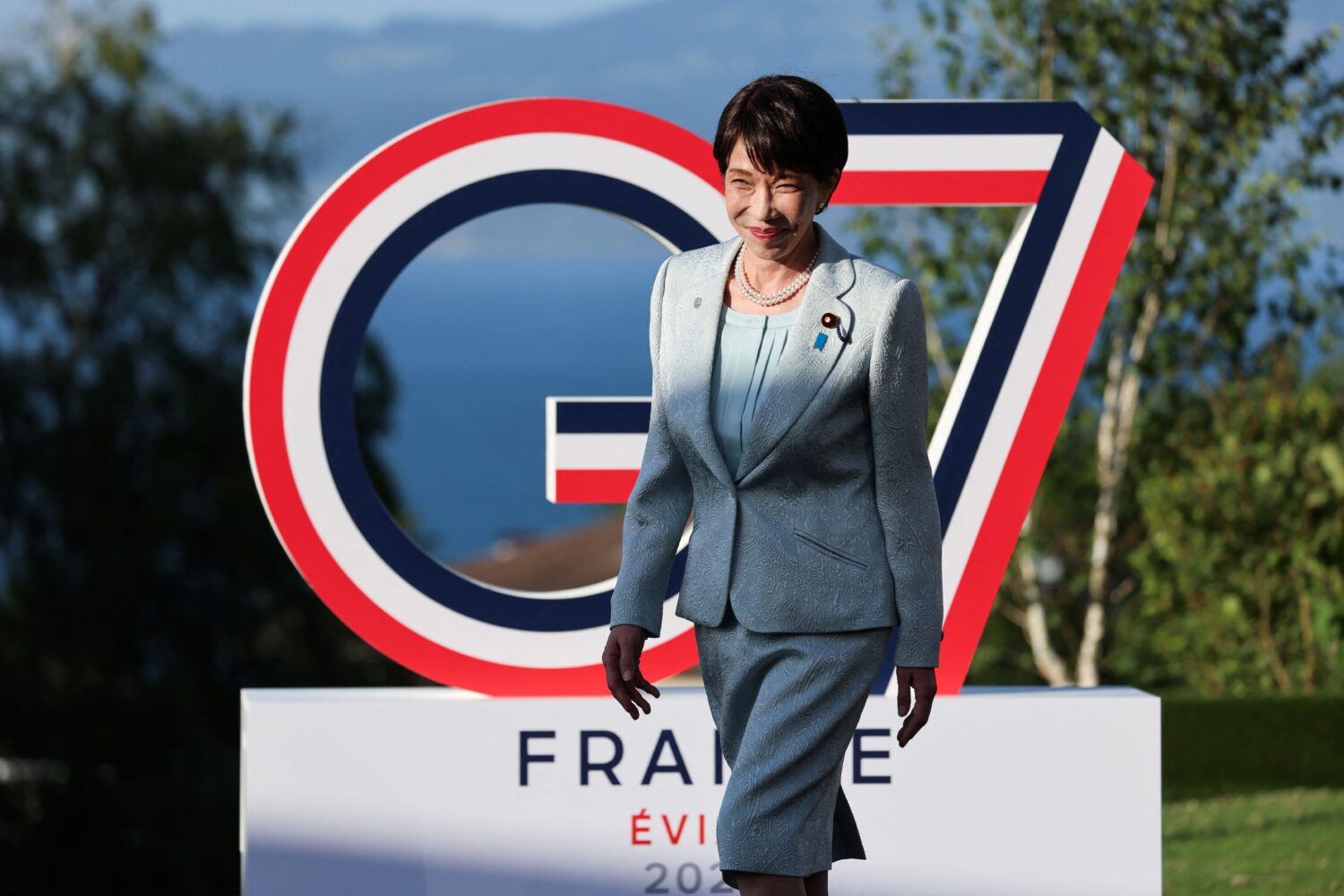
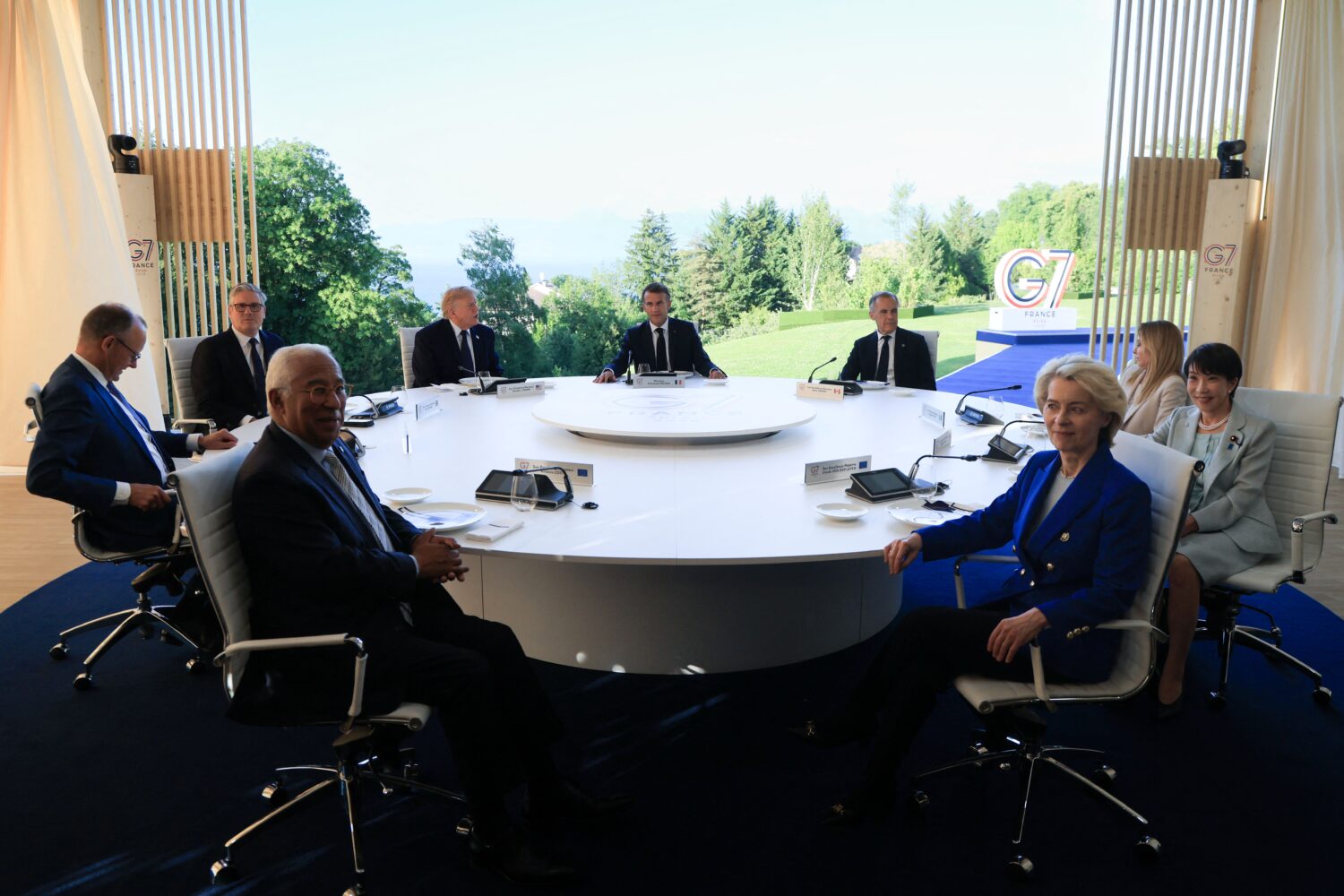
The annual G7 summit, held June 15-17 in Evian, eastern France, concluded with the adoption of leaders' statements on a range of themes, including geopolitical challenges and critical minerals. At last year's summit, Trump left the meeting midway through, underscoring what many described as a "G6 plus one" dynamic. This year, however, the G7 managed to preserve a degree of unity as members confronted shared and urgent challenges, including rising energy prices following the closure of the Strait of Hormuz and continued dependence on China for key minerals.
On the other hand, global governance issues received limited attention at the summit, as Pajon had predicted. "Keeping the United States at the table requires setting aside major topics such as climate change and free trade," she said ahead of the meeting.
On the other hand, global governance issues received limited attention at the summit, as Pajon had predicted. "Keeping the United States at the table requires setting aside major topics such as climate change and free trade," she said ahead of the meeting.
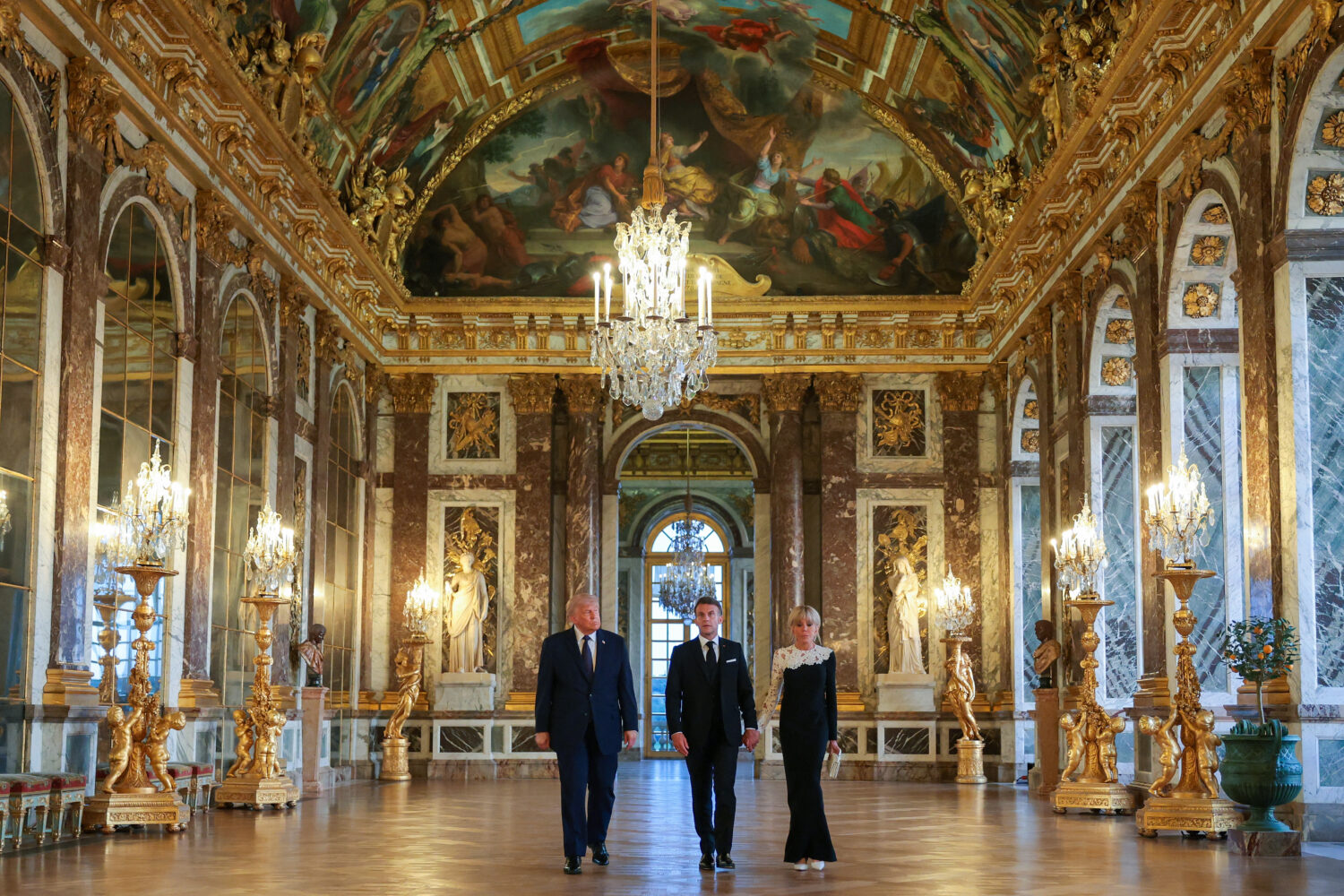
France, this year's G7 chair, made significant efforts to keep Trump engaged. These included adjusting the summit schedule to accommodate his birthday and inviting him to a dinner at the Palace of Versailles after the summit concluded.
Maeshima said Trump continued to weaken the G7's role as a forum for global coordination. "After effectively reducing the G7 framework to a mere formality during his first administration, Trump is again hollowing it out in his second term," he said.
At the same time, Maeshima pointed to the unity the G7 demonstrated under the administration of U.S. President Joe Biden, particularly in supporting Ukraine after Russia's invasion and in addressing climate change, as grounds for cautious optimism. "It depends on who the leaders are. I don't think the international community or global governance is dead yet," he said.
Nakamura also remains optimistic, suggesting that global governance can still be revived through dialogue, pragmatic cooperation and a shared commitment to tackling common challenges. "I believe there's a broad consensus among countries that we must overcome international problems one by one," he said. "Multilateralism is not dead. There's still much we can do."
By Nobuto Sato
Commentary Writer for Jiji Press
*The stories and materials above are provided by JIJI Press or AFPBB News.
Feel free to feature these stories in your own media, as long as they are properly credited.