Repeatable and ethical
To make the case for more widespread use of sunburn-free testing, the European Commission recently funded a campaign during which the sun protection factor (SPF) and UVA protection factor of 74 sunscreen products (sunscreens as well as day creams) were tested in laboratory conditions (in vitro). Market surveillance authorities (MSAs) from 11 EU countries selected the products in shops and online.The results showed a high level of correlation between in vitro and in vivo testing, which supports the reliability of the former to verify SPF claims.
The in vitro test method (EN ISO 23675:2024) used was published in December 2024. It eliminates the need for exposing human volunteers to UV radiation, is cheaper than testing on humans and is faster. A hybrid method published at the same time, HDRS, uses human subjects, but does not cause harm. This testing campaign only compared the in vitro and conventional in vivo methods.
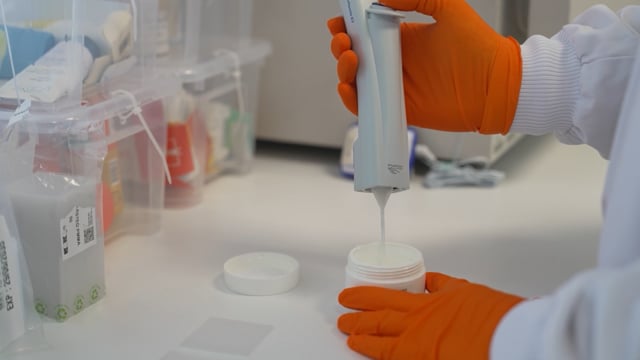
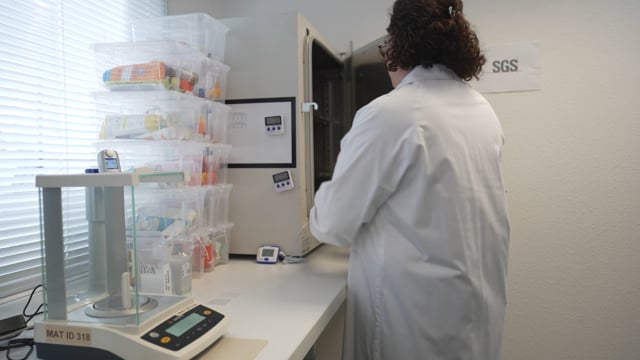
The process of in vitro testing involves applying the product to two types of acrylic plates – one moulded and the other sandblasted to produce a similar texture to skin. The amount of product that is applied, the way the product is applied by a standardised robotic finger, temperature and drying time are strictly controlled. In vitro testing is also not subject to the constraints of volunteer availability or their skin conditions, such as texture, hydration and sensitivity.
Anti-inflammatory ingredients
Another advantage of in vitro SPF testing is that the results are not affected by the presence of anti-inflammatory or soothing ingredients in some products. Testing SPF on volunteers involves exposing their skin to small doses of UV radiation to cause erythema (redness). Some anti-inflammatory or soothing ingredients may reduce or delay this reaction, leading to an artificially higher SPF number.In this in vitro method, a spectrophotometer measures how much UV radiation passes through the sunscreen film applied to the acrylic plates. The SPF is calculated using an algorithm which combines the measurements from both plate types.
Recommendations
Manufacturers are advised, when testing their products to determine SPF and UVA, to prioritise testing that does not cause harm to human volunteers.The limitation of the in vitro method is that sunscreen sticks and powders cannot currently be tested. Standardisation organisations should work towards extending the scope of non-invasive testing methods to include these types of products, along with claims of water-resistance.
Exposure to ultraviolet radiation, including UVB and UVA, is a health risk. Consumers are advised to use sunscreen as additional protection, together with seeking shade, wearing protective clothing and avoiding sun exposure during peak hours. Consumers should choose a sunscreen with SPF and UVA protection suited to their skin type and the level of sun exposure. Before sun exposure, sunscreen should be applied and reapplied generously and evenly.
Sunscreens are scientifically formulated and tested, and their production requires specialised know-how. UV filters must be assessed and authorised before use. For this reason, sunscreens should not be home-made, as such products are not assessed or tested for their level of protection, and insufficient efficacy represents a health risk.
EU-wide testing
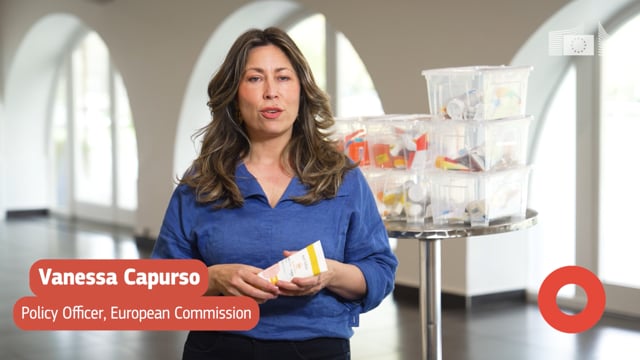
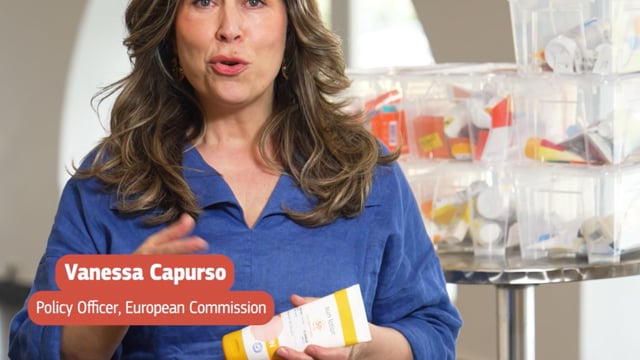
The testing was carried out under the 2025 edition of the Joint Actions on Compliance of Products (JACOP) campaign in the EU and in EFTA countries. JACOP enables MSAs to harmonise their working methods, jointly test products, determine risks and enforce corrective actions. A total of 11 product types were evaluated.“Market surveillance campaigns help to protect businesses from unfair competition and ensure that products sold on the single market are safe for consumers,” said DG GROW Policy Officer, Vanessa Capurso.
“However, the ultimate responsibility for ensuring that sunscreens provide the protection stated on their labels rests with the responsible person.”