Hachijojima: Shaped by the Kuroshio Current
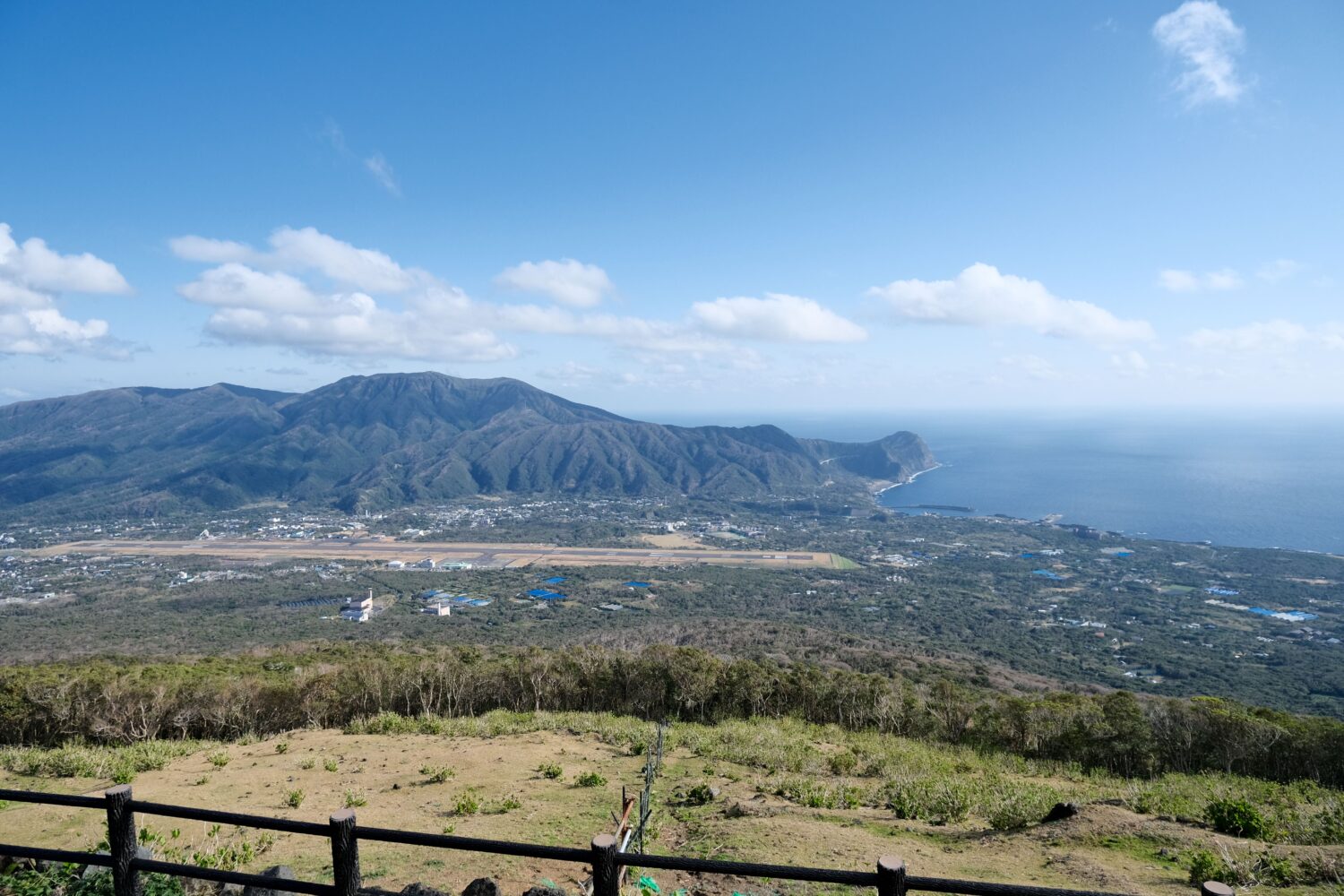
Located about 290 kilometers south of central Tokyo and just a 55-minute flight away, Hachijojima is home to landscapes and cultural traditions distinct from those of Japan's mainland.In the island’s northwest stands Mount Hachijo-Fuji, rising 854 meters above sea level, while the surrounding Kuroshio Current has long brought abundant bounty from the sea. The island’s mild climate has earned it the nickname “the closest tropical destination to Tokyo.” From winter through spring, humpback whales migrate through its waters, and sea turtles and colorful tropical fish can be seen in the island’s exceptionally clear seas.
However, Hachijojima’s appeal extends beyond its natural environment. During the Edo period (1603–1868), the island was also known as a place of exile, where a wide variety of people were sent, including Buddhist priests and samurai such as the once-powerful feudal lord Ukita Hideie. Over time, this history intertwined with the island’s environment and way of life, fostering a distinctive culture of its own. One of the most notable examples is Kihachijo, a traditional woven textile.
Kihachijo traces its origins to silk textiles produced on Hachijojima some 800 years ago and has been designated a nationally recognized traditional craft. Its yellow, reddish-brown, and black colors are produced using natural dyes derived from small carpetgrass, Japanese bay tree bark, and a combination of Itajii chinkapin bark and mud dyeing. The process— from cultivating plants and producing dyes to coloring the fabric using the island’s soil and water—embodies the wisdom with which islanders have long made use of nature’s bounty.
In recent years, a shortage of successors has become a challenge. In response, the Kihachijo Preservation Society and the Hachijo Town government have been working to pass on the craft’s techniques and nurture a new generation of practitioners, carrying this cultural tradition into the future.
This knowledge of making the most of natural resources continues to shape life on the island today. Located along a common typhoon path, Hachijojima is not infrequently affected by disruptions to supplies and energy caused by canceled ships and flights.
To address this, the island has made use of its abundant geothermal resources. In 1999, Japan’s first full-scale geothermal power plant on a remote island began operation there. At one point, it supplied roughly one-quarter of the island’s electricity and drew attention as a leading example of renewable energy use. Although the facility was decommissioned in 2019 due to aging equipment, surveys and plans for new geothermal power projects are still underway.
Under the slogan “Aiming for a Clean Island,” Hachijo Town is working toward sustainable island development by making use of nature’s bounty in both cultural and energy initiatives.
Naoshima: Revitalized Through Art
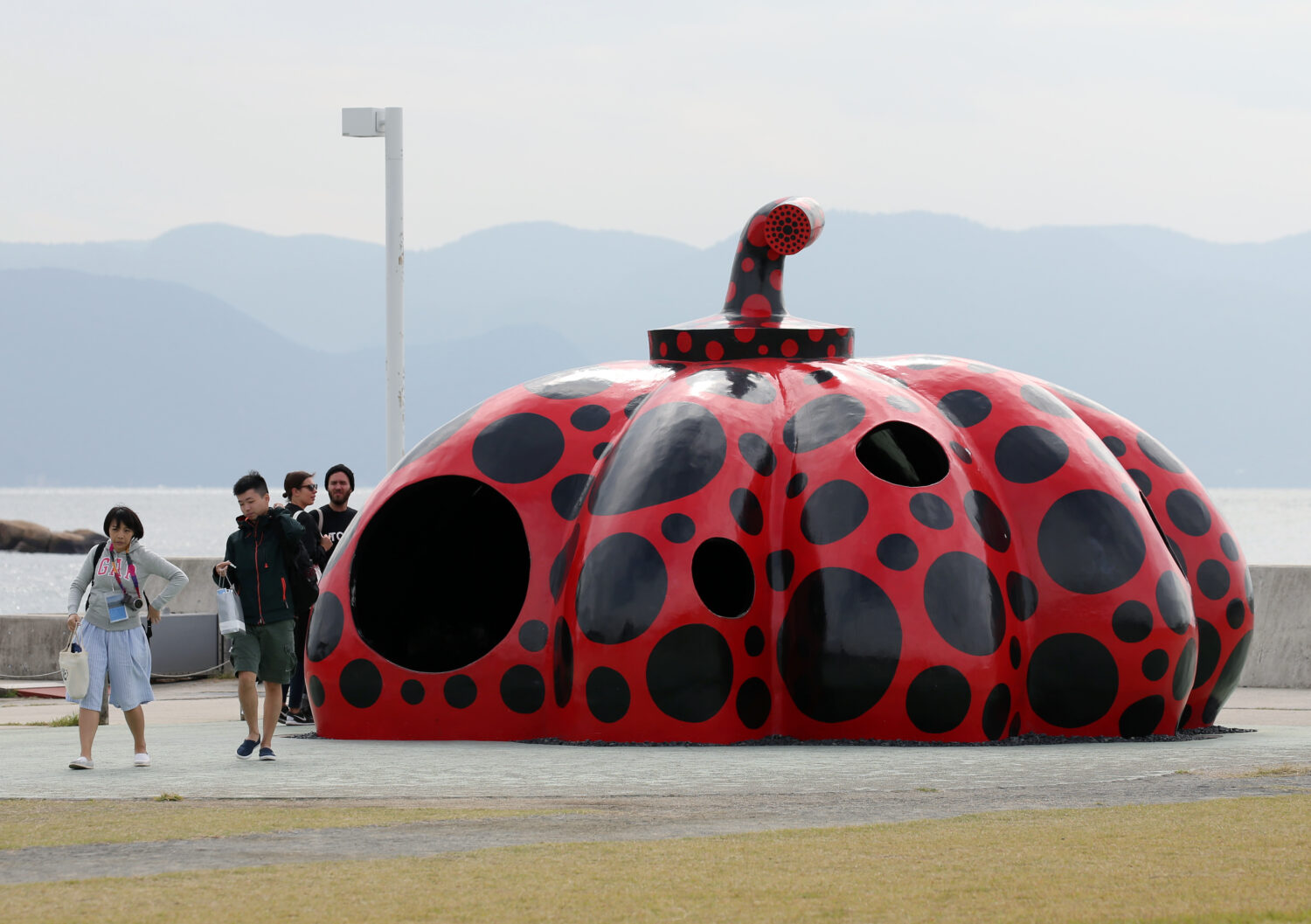
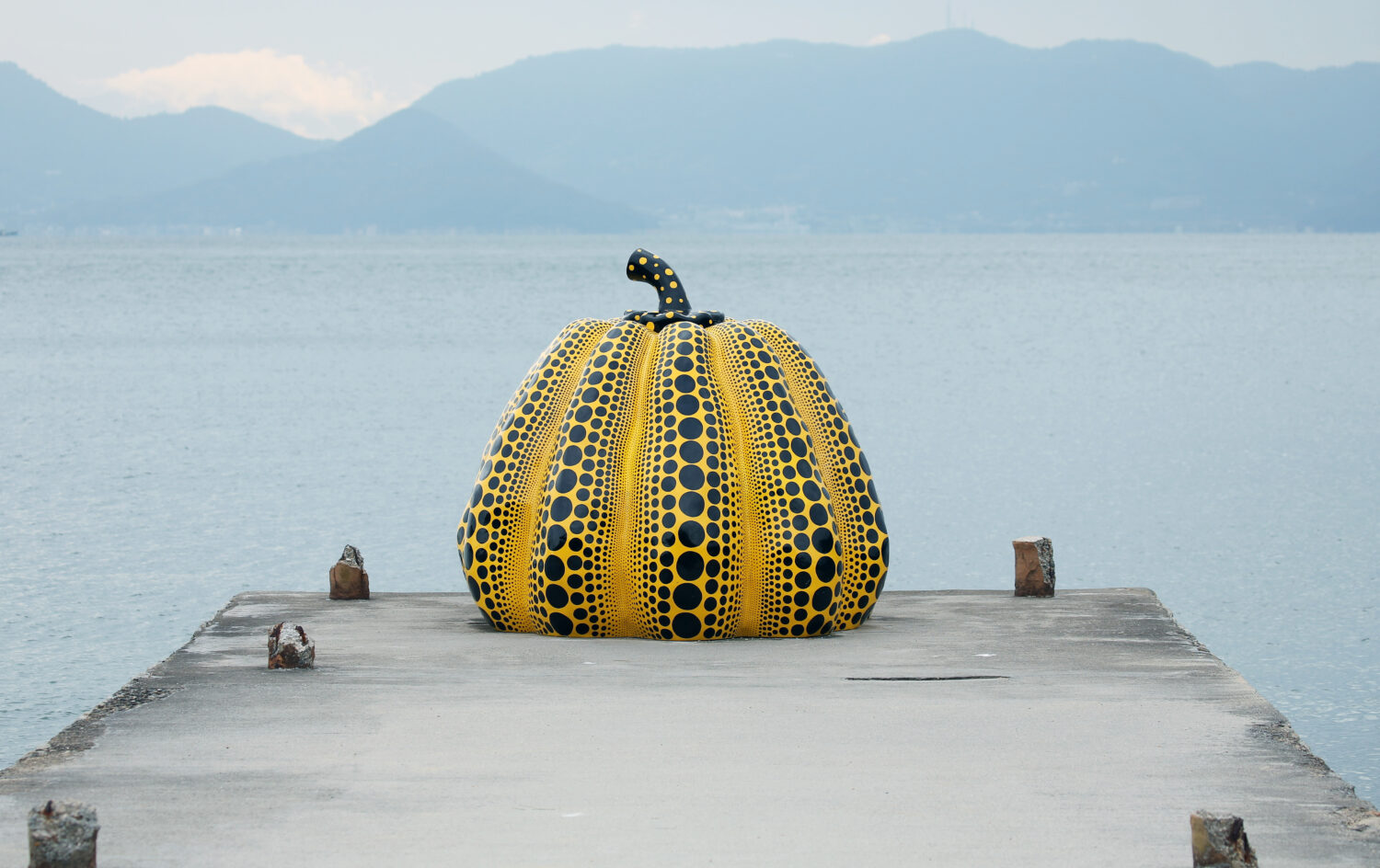
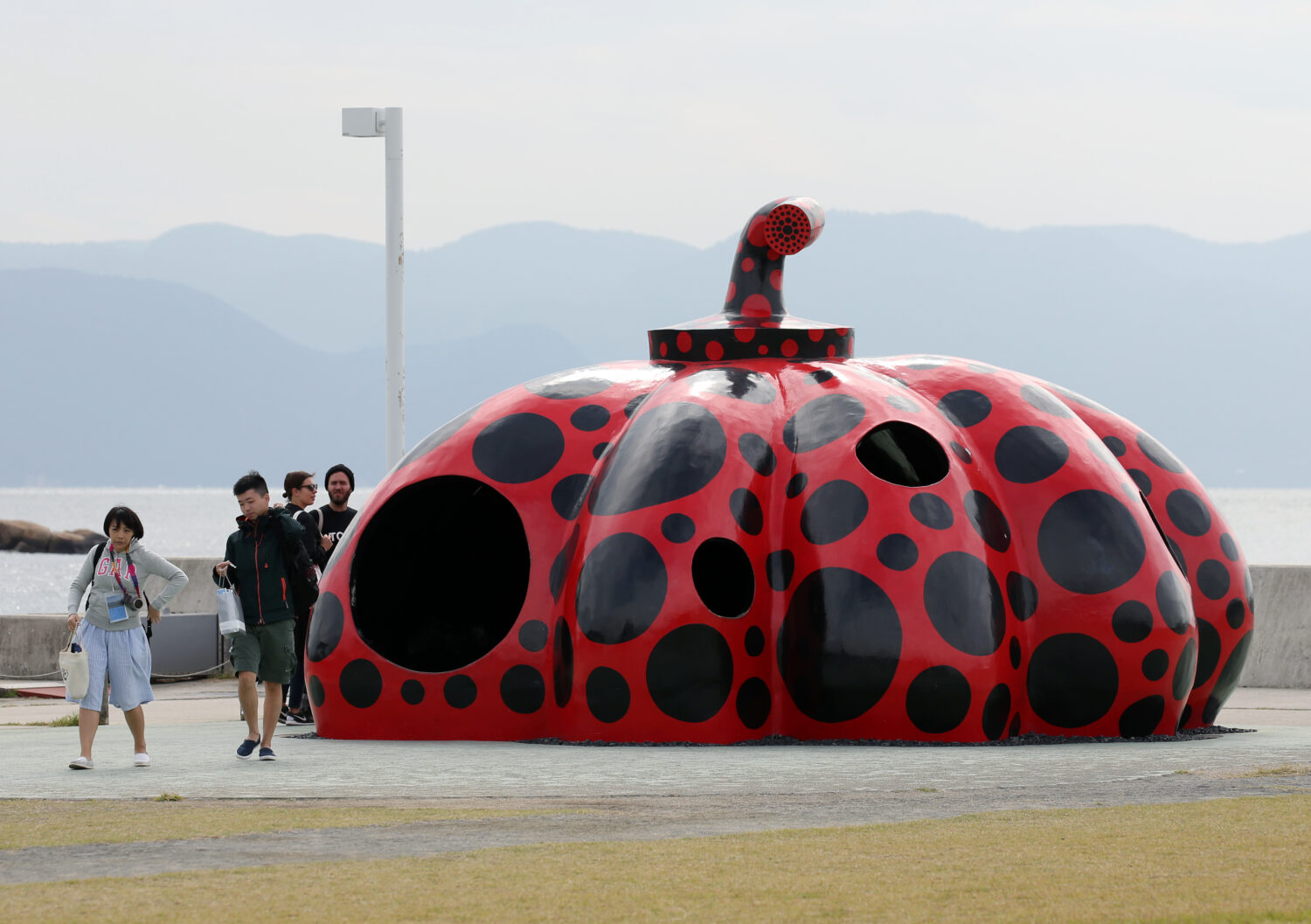
Naoshima is a small island in the Seto Inland Sea with a population of around 3,000. Today, it is known as one of the world’s leading destinations for contemporary art, attracting visitors from across Japan and abroad.At Miyanoura Port, the island’s main gateway, visitors are greeted by Yayoi Kusama’s striking Red Pumpkin. Scattered across the island are the Chichu Art Museum, Benesse House Museum, and the Lee Ufan Museum, all designed by Tadao Ando. These sites create a unique landscape where nature, architecture, and art are seamlessly integrated.
Among Naoshima’s many art experiences, the Art House Project stands out. Under this initiative, artists transform vacant traditional houses into works of art. At its core is the idea of making use of what already exists, rather than tearing down the old to build something new.
The artworks extend beyond the buildings themselves. The light streaming through windows, the sea breeze flowing through alleyways, the pillars and floors marked by the passage of time, and even the everyday lives of the island’s residents all become part of the experience. As visitors walk around the island, they encounter its history and way of life firsthand.
By preserving local memories while creating new appeal, the Art House Project is also an effort to rediscover the island’s value and pass it on to future generations.
Yet Naoshima was not always a tourist destination. During Japan’s period of rapid economic growth, the Seto Inland Sea coast underwent industrialization, and the island experienced environmental problems such as air pollution caused by a copper smelter. In the 2000s, the island also played a role in treating industrial waste that had been illegally dumped on the neighboring island of Teshima. At the same time, it was losing population, and local vitality was beginning to decline.
In the face of these challenges, Naoshima placed art at the heart of its regional revitalization. Today, the islands of the Seto Inland Sea—including Naoshima—host the Setouchi Triennale every three years. In 2025, the festival featured 222 artists and artist groups from 37 countries and regions, and Naoshima alone welcomed approximately 340,000 visitors. Once troubled by population decline, the island has become a cultural hub that attracts visitors from around the world.
At the same time, the Seto Inland Sea is Japan’s largest enclosed coastal sea and faces the challenge of addressing the accumulation of marine plastic litter. In 2025, as part of the Setouchi Oceans X initiative, four prefectures jointly conducted coastal cleanup activities, collecting about 26 tons of waste. For Naoshima as well, preserving the environment of the Seto Inland Sea has become an important challenge as the island pursues regional revitalization through culture.
Yakushima: Living in Harmony with the Forest
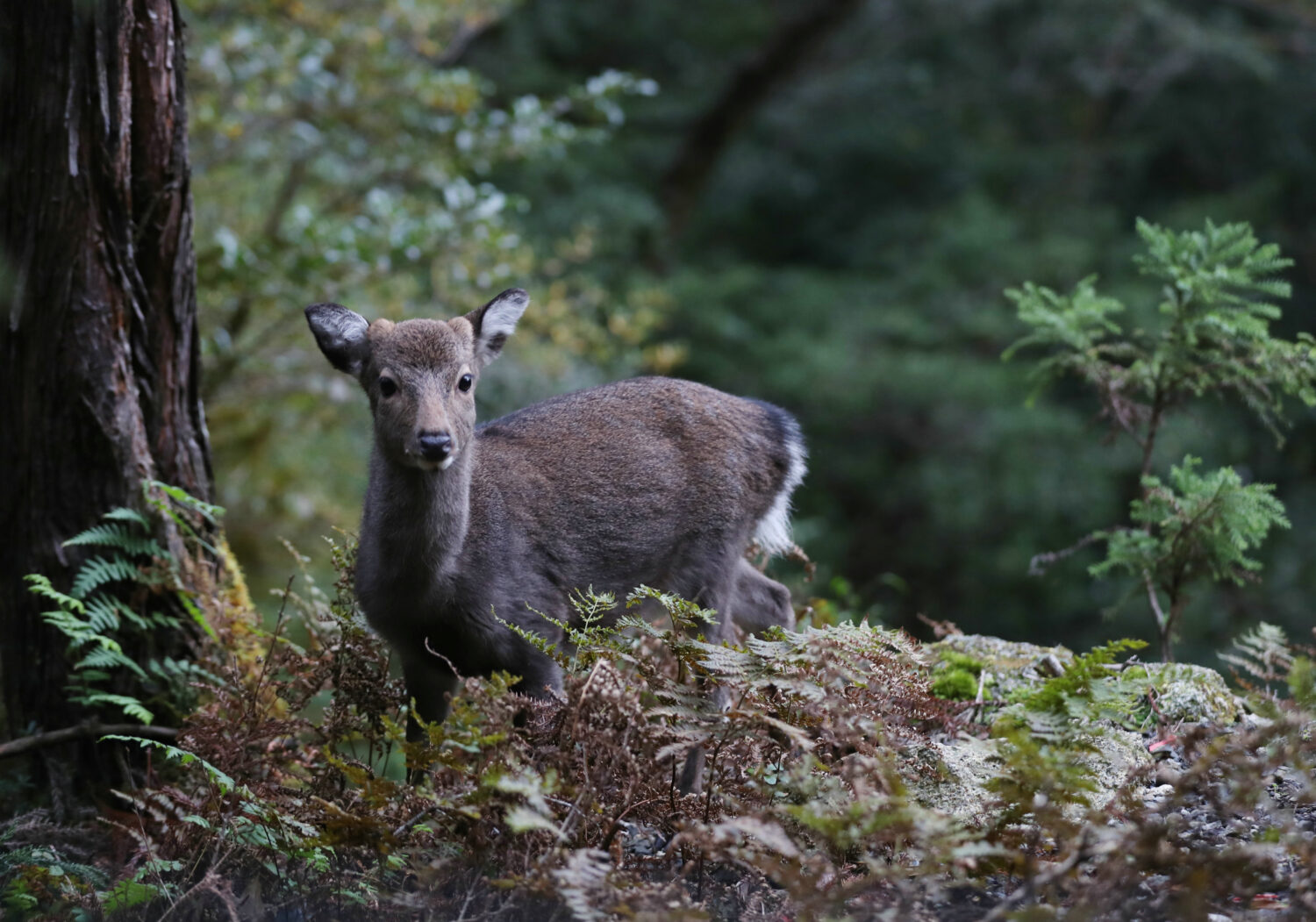
Yakushima lies about 135 kilometers south of Kagoshima City and is one of the first sites in Japan to have been designated a UNESCO World Natural Heritage site.About 90 percent of the island is covered by forest, with mountains rising to nearly 2,000 meters. Subtropical plants grow along the coast, while cool-temperate vegetation is found near the mountain peaks, leading to the saying that “the Japanese archipelago exists within a single island.” Annual rainfall in the mountainous areas exceeds 8,000 millimeters—about five times Japan’s national average. This abundant rain has nurtured Yakushima’s unique ecosystem.
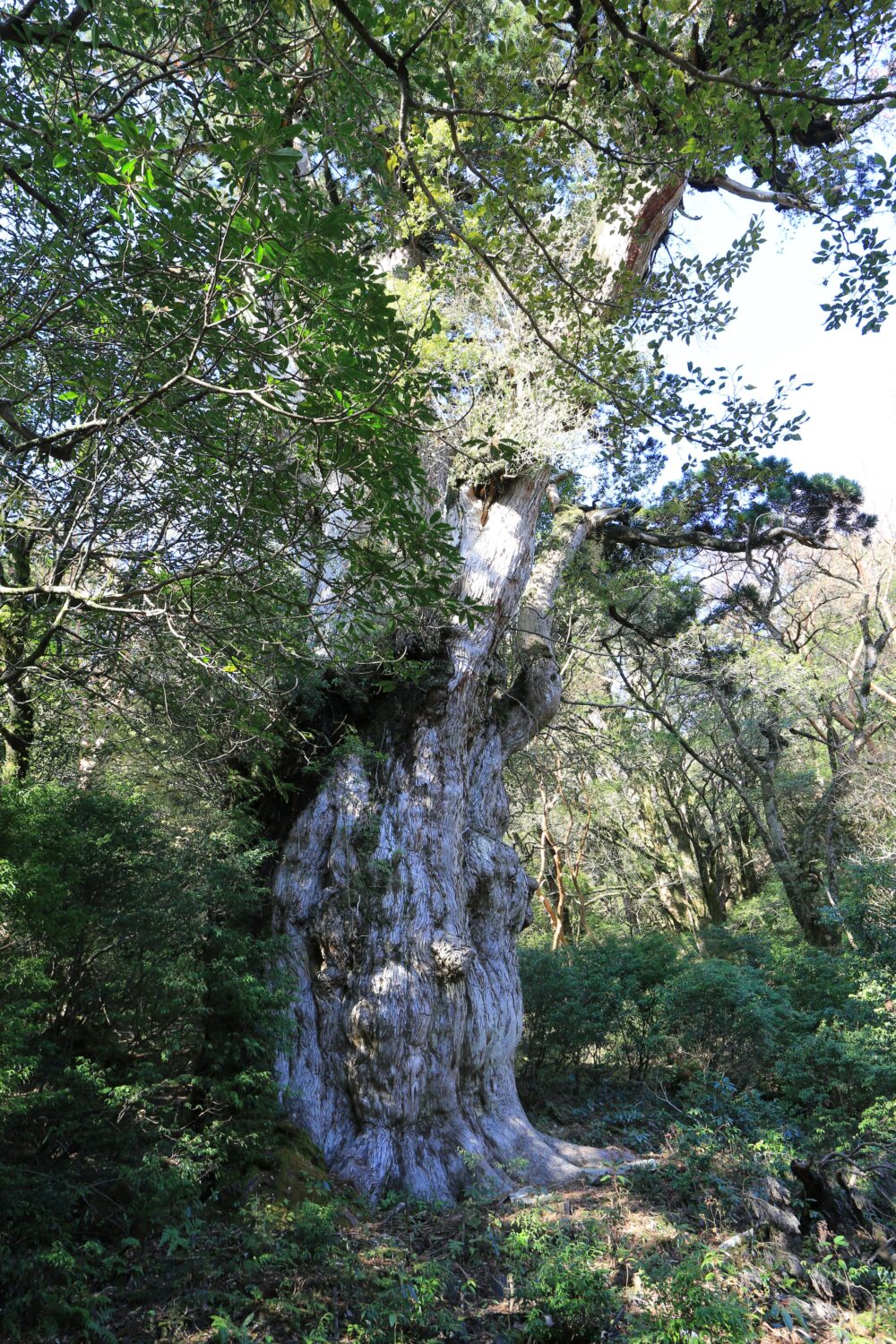
The island’s iconic symbol is the Jomon Sugi, a massive cedar tree estimated to be more than 2,000 years old—and possibly over 7,000 years old. The towering tree has captivated many people. Yet Yakushima’s value is not defined solely by the age of the Jomon Sugi. The island has long embraced the philosophy of living in harmony with nature.
The mountains have served both as resources and objects of worship, while the forests have supported daily life. The sense that humans are part of nature continues to inform the island’s approach to conservation today.
Since being inscribed as a UNESCO World Natural Heritage site, Yakushima has attracted many tourists from Japan and abroad. At the same time, issues such as deteriorating hiking trails, maintenance of backcountry toilets, and pressure on the ecosystem have emerged. In response, the island has introduced a system that enables visitors to contribute to nature conservation.
Hikers are asked to contribute to the Mountain Environmental Conservation Donation program: ¥1,000 for day trips and ¥2,000 for overnight stays in the mountains. The funds are used for trail repairs, maintenance of toilets in mountain areas, promotion of portable toilets, and nature conservation activities. On the Jomon Sugi hiking route, access by private vehicles is restricted and visitors must transfer to a dedicated shuttle bus, helping to reduce the environmental impact of traffic congestion.
In addition, efforts to protect loggerhead turtle nesting sites and to collect washed-up debris along the coast are ongoing, advancing initiatives to safeguard both the sea and the forest as a unified whole.
A Sustainable Future for Japan’s Islands
Hachijojima has harnessed nature’s bounty as both culture and energy. Naoshima has revitalized its community and created new value through the power of art. Yakushima has fostered systems for people and nature to coexist.Each island faces its own unique challenges. Yet what they share is a commitment to rediscovering the natural and cultural heritage passed down in their communities and finding ways to carry it forward into the future.
Climate change, marine environmental degradation, and the sustainability of local societies are challenges faced by islands around the world. The determination to live with nature, preserve culture, and build a future through local initiative demonstrates the great potential held by even the smallest islands.
Tokyo Hosts First-Ever Island States Ocean Summit
The Island States Ocean Summit, a forum for discussing common challenges faced by island nations around the world, opened at a Tokyo hotel on June 3. Japan's Emperor Naruhito delivered remarks in English, saying, “I am deeply reminded of the importance of maintaining the delicate balance on Earth through the grand water cycle, where water is brought in from the sea and returns to the sea.”The summit was hosted by The Nippon Foundation and co-hosted by Japan’s Ministry of Foreign Affairs and the UNESCO Intergovernmental Oceanographic Commission. Among the more than 300 participants from around 30 countries and organizations was Surangel Whipps Jr., President of Palau and a co-chair of the summit. During the two-day summit, which concluded on June 4, participants discussed strategies for the sustainable use of ocean resources. The outcomes of the summit are expected to inform global environmental discussions at major meetings later this year, including CBD COP17 in October and the 31st UN Climate Change Conference (COP31) in November.
Related link:
https://en.nippon-foundation.or.jp/news/articles/2026/20260605-112551.html
*The stories and materials above are provided by JIJI Press or AFPBB News. Feel free to feature these stories in your own media, as long as they are properly credited.