
[Japan, Tokyo. 13 March 2026]
Restoring Wasteland to Nature
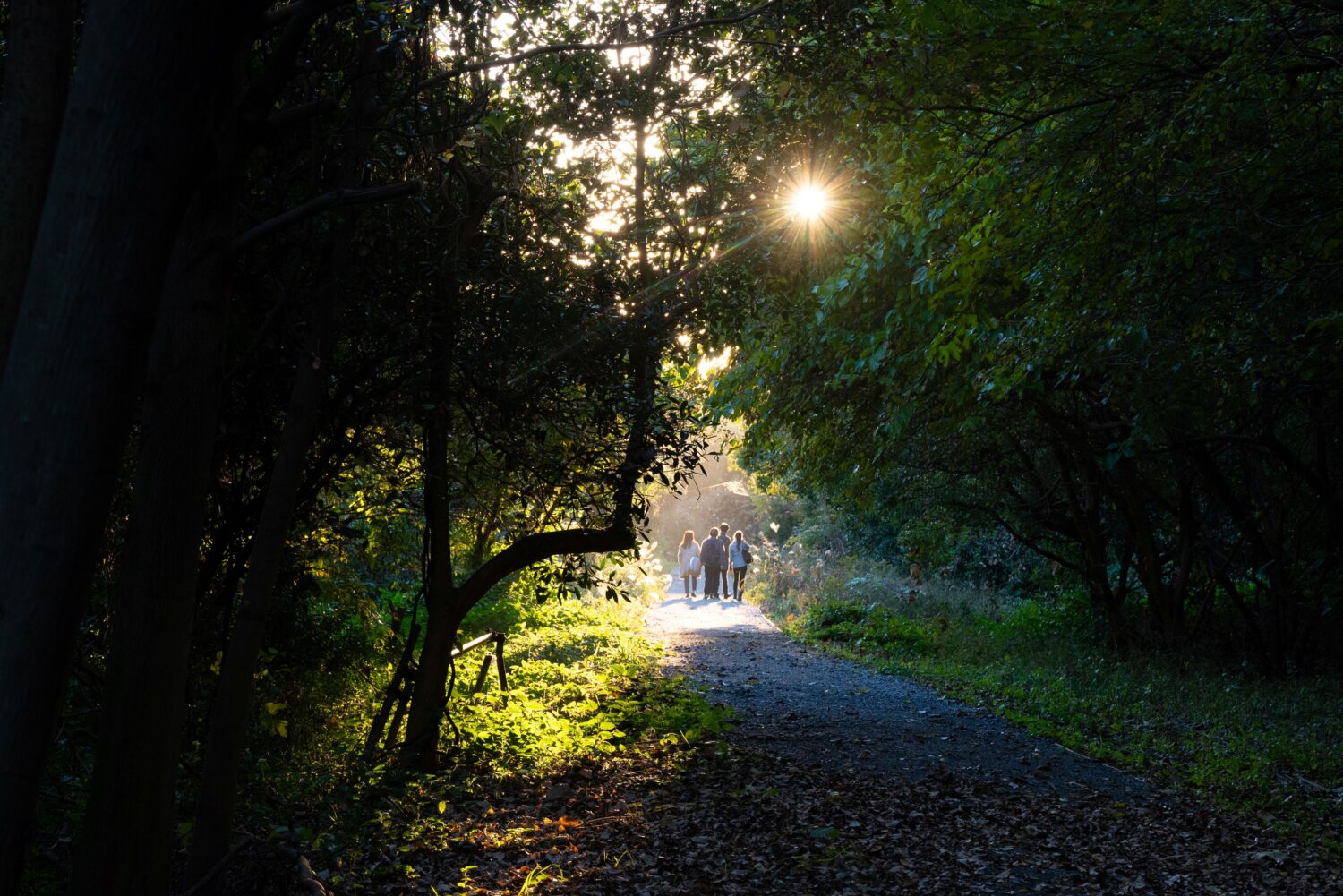
What was once a mound of waste floating in the Port of Tokyo has been transformed into a beautiful forest, thanks to the Tokyo Metropolitan Government, corporations and locals working together.The Umi-no-Mori (Sea Forest) Park, located in Koto City, Tokyo, has a forest that surrounds a large field of grass and groves. The park has been undergoing development for around 20 years as part of the Umi-no-Mori Project, with saplings planted on the reclaimed land filled with waste and construction-generated dirt to transform it into a green oasis. The plans for this incredible transformation started back in 2005, when a proposal was made to turn the site into a forest. Years of efforts came to fruition with the grand opening held on March 28, 2025.
But the project's aims go even further, with the goal of creating a resource-recycling forest in collaboration with Tokyo citizens. In order to turn the mound of waste into a haven of trees, several special steps had to be taken to create fertile soil. The ground was filled with 12.3 million tons of waste and construction dirt in alternating layers, mixing in compost to create a strong foundation for the plants. The compost was made from leaves and twigs pruned from trees in Tokyo parks and streets, turning yet another form of waste into a resource to help the forest thrive.
This new park is also becoming an important spot for wildlife like insects and birds, with plenty of tree species that they can use as habitats and food. Visitors can already spot many varieties of butterflies and dragonflies, as well as birds like the Eurasian skylark and bull - headed shrike making their home in the park.
The Future of Farming
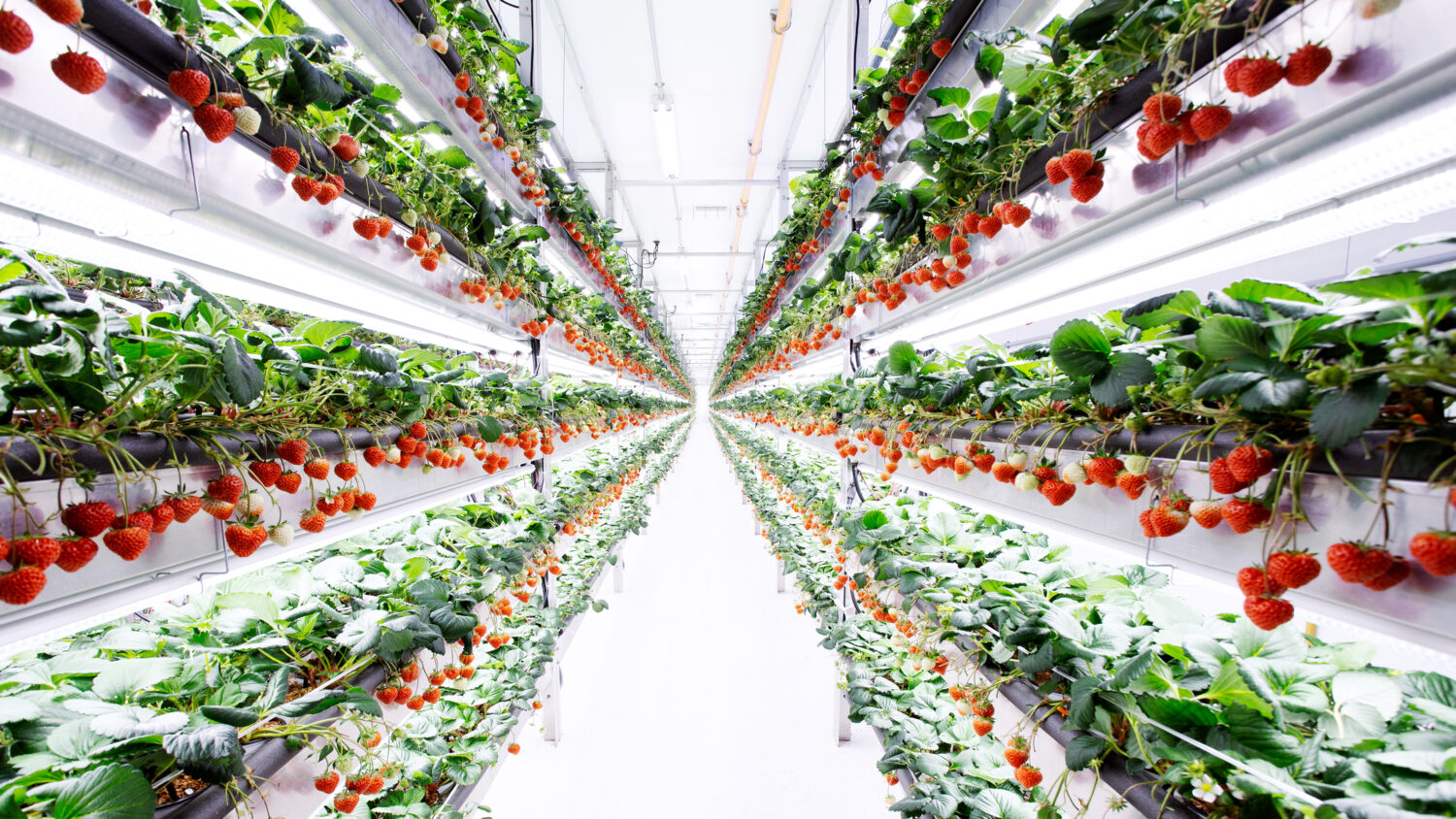
With the costs of farming on the rise as well as concerns about its impact on the environment, the race is on to find more sustainable ways to produce food. One company offering a potential solution is Oishii Farm, which has pursued vertical farming as an alternative to conventional agriculture since their founding in 2016.Vertical farming optimizes growing conditions by using stacked layers of trays in a controlled environment to grow fresh crops, regardless of climate or location. This has many advantages, as produce can be grown year-round, and since vertical farms do not require agricultural land, they can be constructed in locations where normal farming would be impossible.
Oishii Farm also uses a closed-loop system allows for efficient water recycling and energy conservation, and eliminates the need for pesticides. They are also the first company to achieve large-scale, stable, and natural pollination using bees within a closed-loop farming system. First beginning business in the United States, Oishii Farm registered its Japanese subsidiary in Tokyo in 2025, as the city is a global leader in sustainable agricultural research and development, along with being a hotbed of innovation in many other fields important to vertical farming, including robotics, automation, water recycling, and monitoring systems. The company also garnered attention at SusHi Tech Tokyo, Asiaʼs largest innovation conference.
Keeping Traditions Relevant and Vibrant
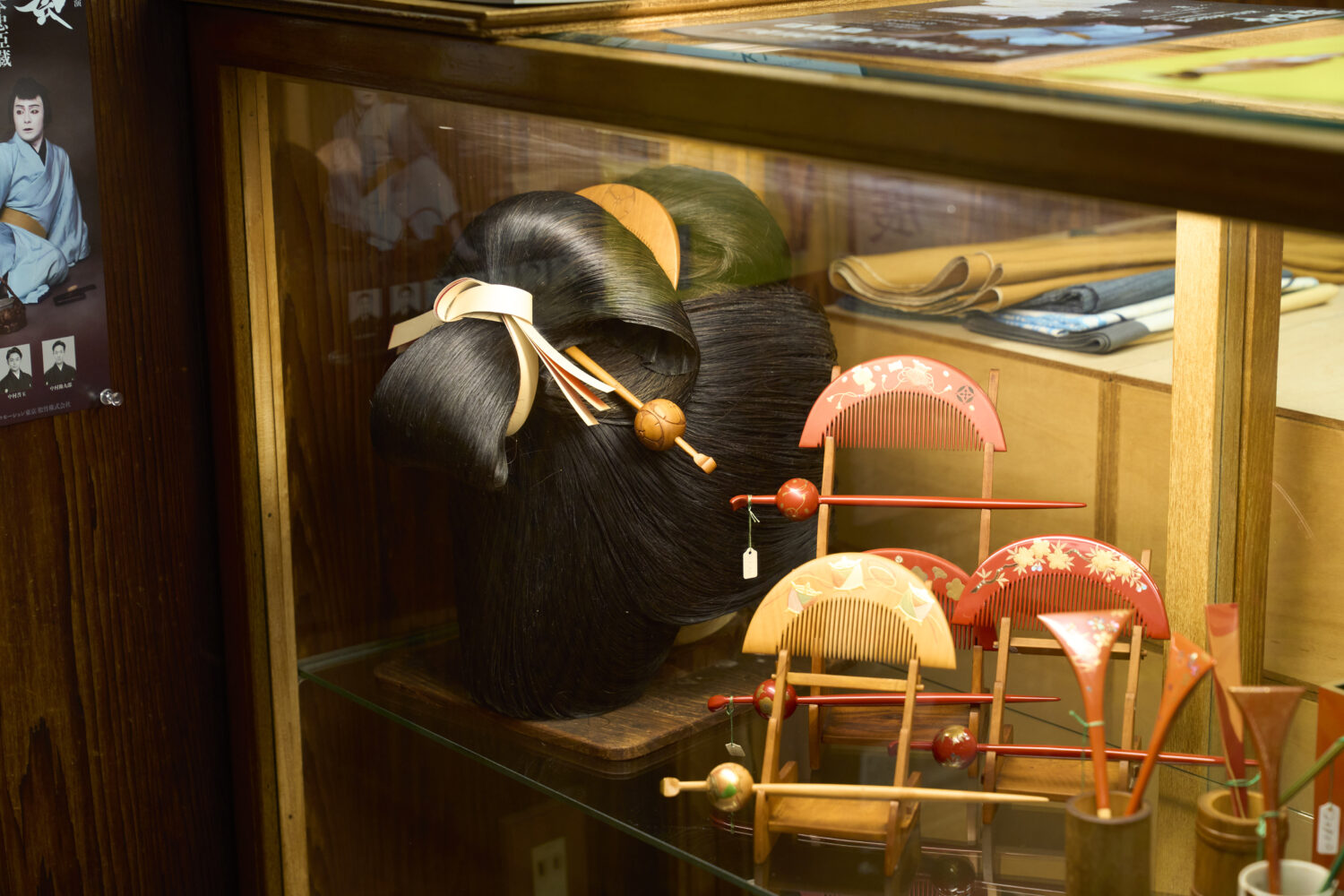
While Tokyo is known as a city of technology, it is also home to many century long traditions. Take Yonoya Kushiho (Yonoya Comb Shop) in the district of Asakusa. Founded in 1717 during the Edo period (1603-1868), and now headed by Saito Yutaka, Yonoya creates beautiful handmade wooden combs made from Satsuma boxwood, sourced from Kagoshima Prefecture in Southern Japan. Hard yet flexible, the wood resists snapping under pressure̶ideal for comb teeth that must glide through hair without breaking strands or causing split ends the way harder woods or plastic can.Each comb requires years of preparation, as the wood is repeatedly dried and smoked before being shaped, honed, and polished by hand in their workshop, then finally soaked in camellia oil, which moisturizes hair and gives the comb a natural amber glow. Saito tries to balance reverence for the past with openness to change, also making hair accessories in more casual styles and accessible price points, without compromising quality.
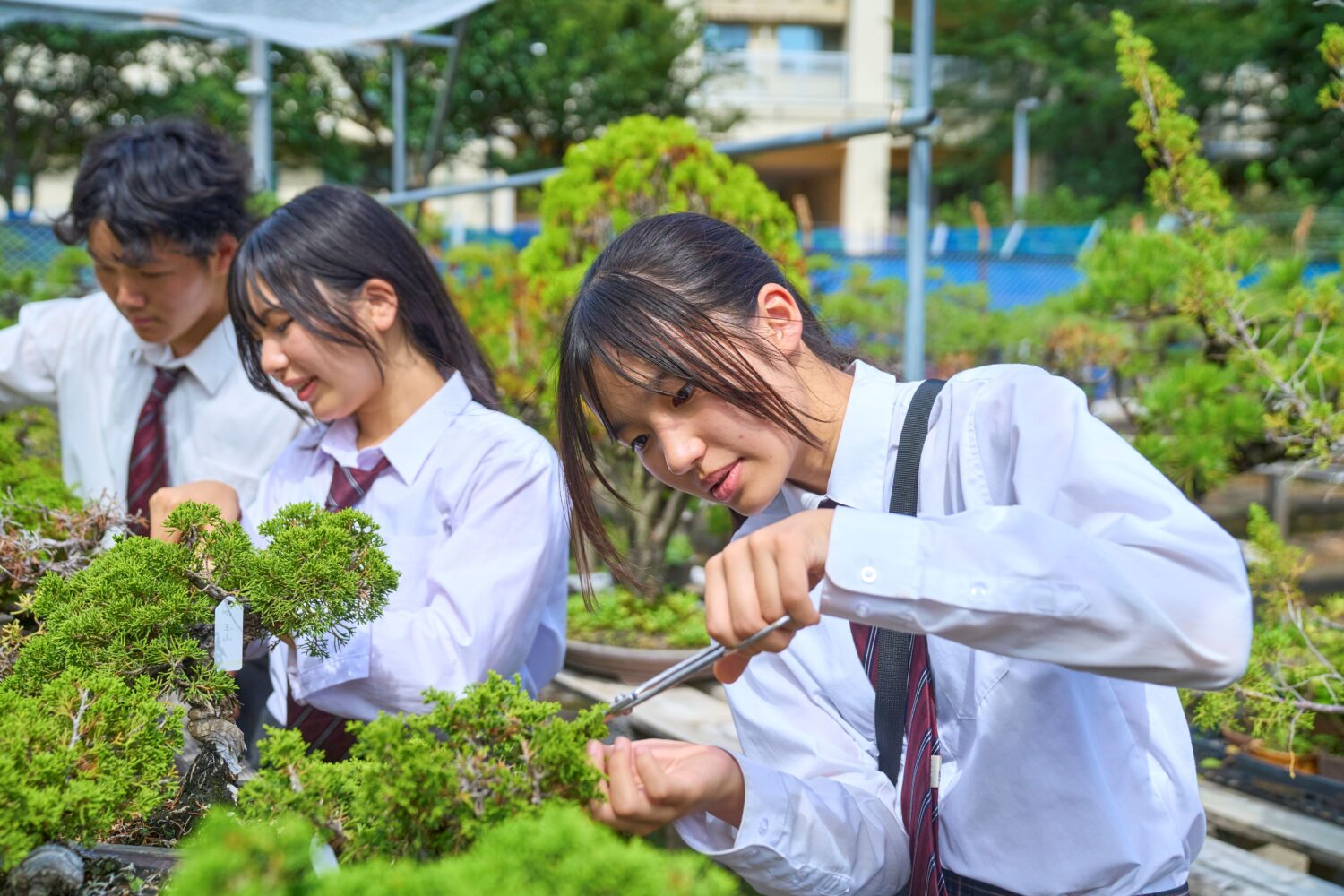
He says that preserving tradition isn't passive, but rather an act of creation, which is a sentiment shared by some students at Tokyo Metropolitan Engei (Horticultural) High School, where members of the bonsai club keep this precious historical art alive and thriving.
First introduced in Japan during the 12th-14th centuries and gradually became popularized nationwide, this art of growing and shaping miniature trees is not usually associated with younger generations. But these students said their experience as bonsai instructors at a local park workshop played a crucial role in building their confidence to practice the craft. Regularly caring for trees that are over 50 years old, and can live up to 1,000 years, members of the club share their sense of great responsibility to keep this historical practice going and share it with people around the world.
Find out more about these and other inspiring people at Tokyo Updates:
Discover more about these and other Tokyo stories by downloading
This free booklet
This free booklet
*1:The Global Power City Index from the Mori Memorial Foundation’s Institute for Urban Strategies.