A new biodiversity mapping programme in the Occitanie Region of southern France aims to demonstrate that an innovative approach is possible.
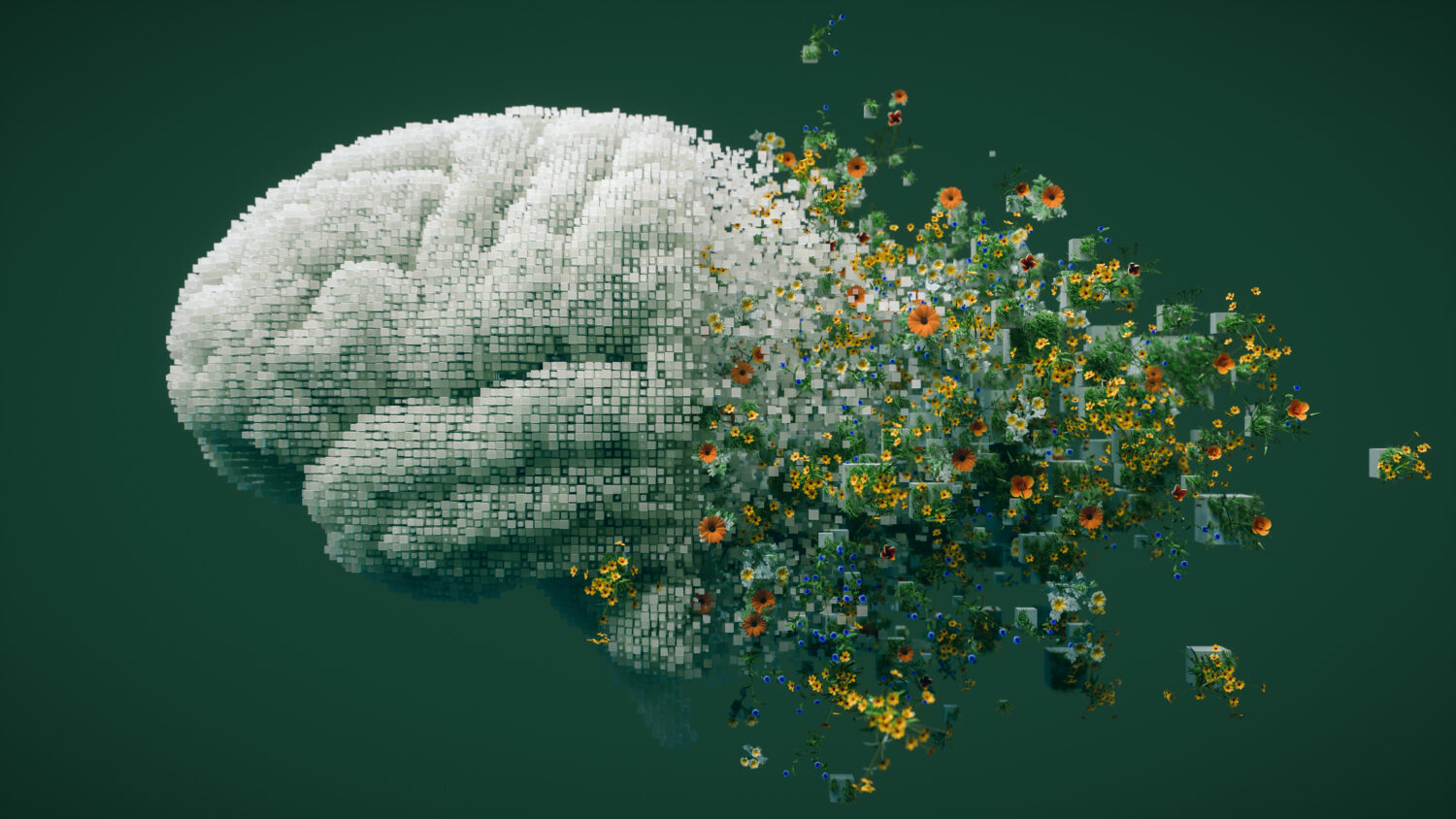
Over the next three years, the Region will combine satellite Earth Observation, ecological field expertise and a frugal artificial intelligence approach to create a unique dynamic map of its natural habitats and better understand how they are evolving under the combined effects of climate change, urbanisation and human activity.
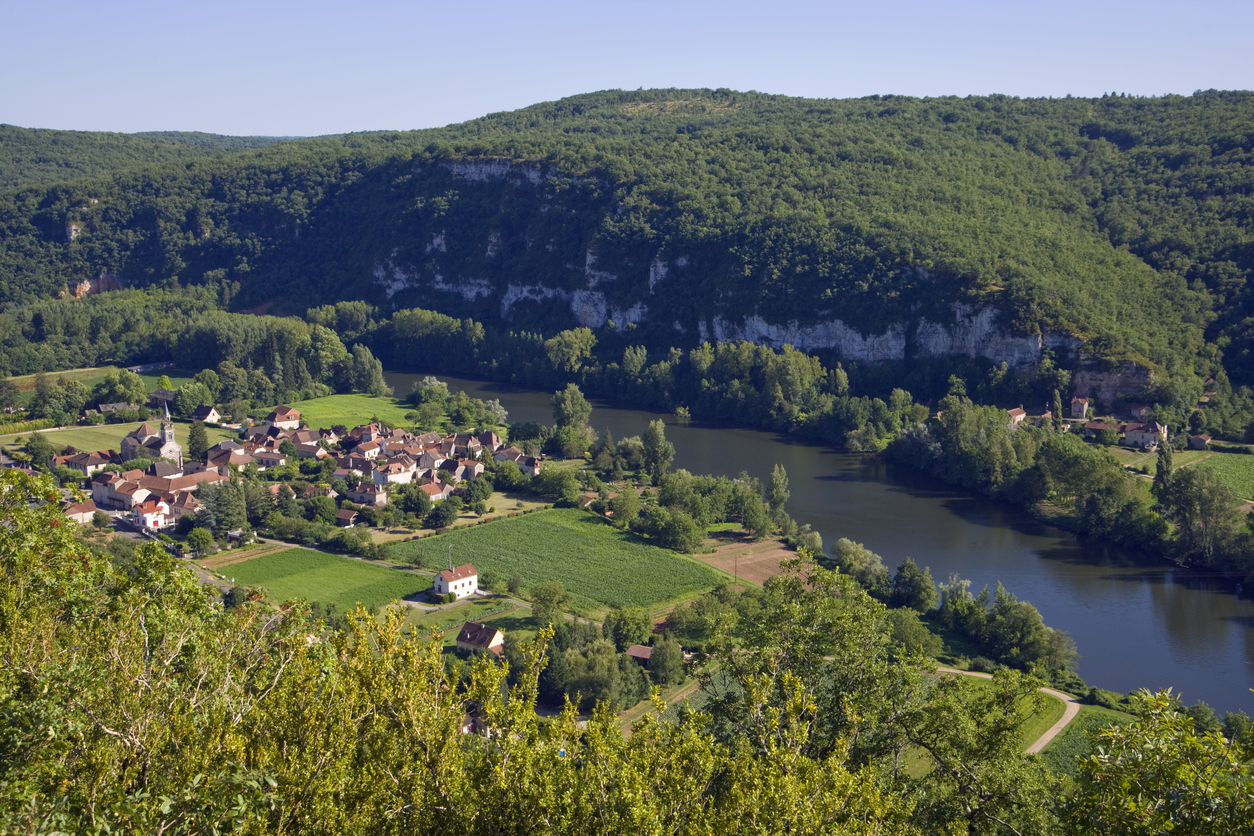
Covering nearly 72,000 km², the equivalent of 10 million football pitches, the project will map forests, grasslands, wetlands, agricultural landscapes, coastal ecosystems and urban green spaces across one of Europe's most ecologically diverse territories, at a resolution and exhaustivness that’s never been seen before. The resulting habitat map will provide decision-makers with an incomparable and regularly updated view of ecosystem change, helping guide biodiversity conservation, climate adaptation and land-use planning strategies.
The programme is being delivered by a consortium led by CLS, a subsidiary of the French Space Agency (CNES) and a global specialist in Earth Observation solutions, together with ecological engineering experts BIOTOPE, ECO-MED, ENVOLIS and NATURALIA.
From Satellite Data, through AI, to Nature Intelligence
Monitoring biodiversity on a regional scale has traditionally relied on field surveys that are essential but difficult to repeat regularly across large territories.
The French programme combines multiple sources of information to create a more comprehensive understanding of nature.
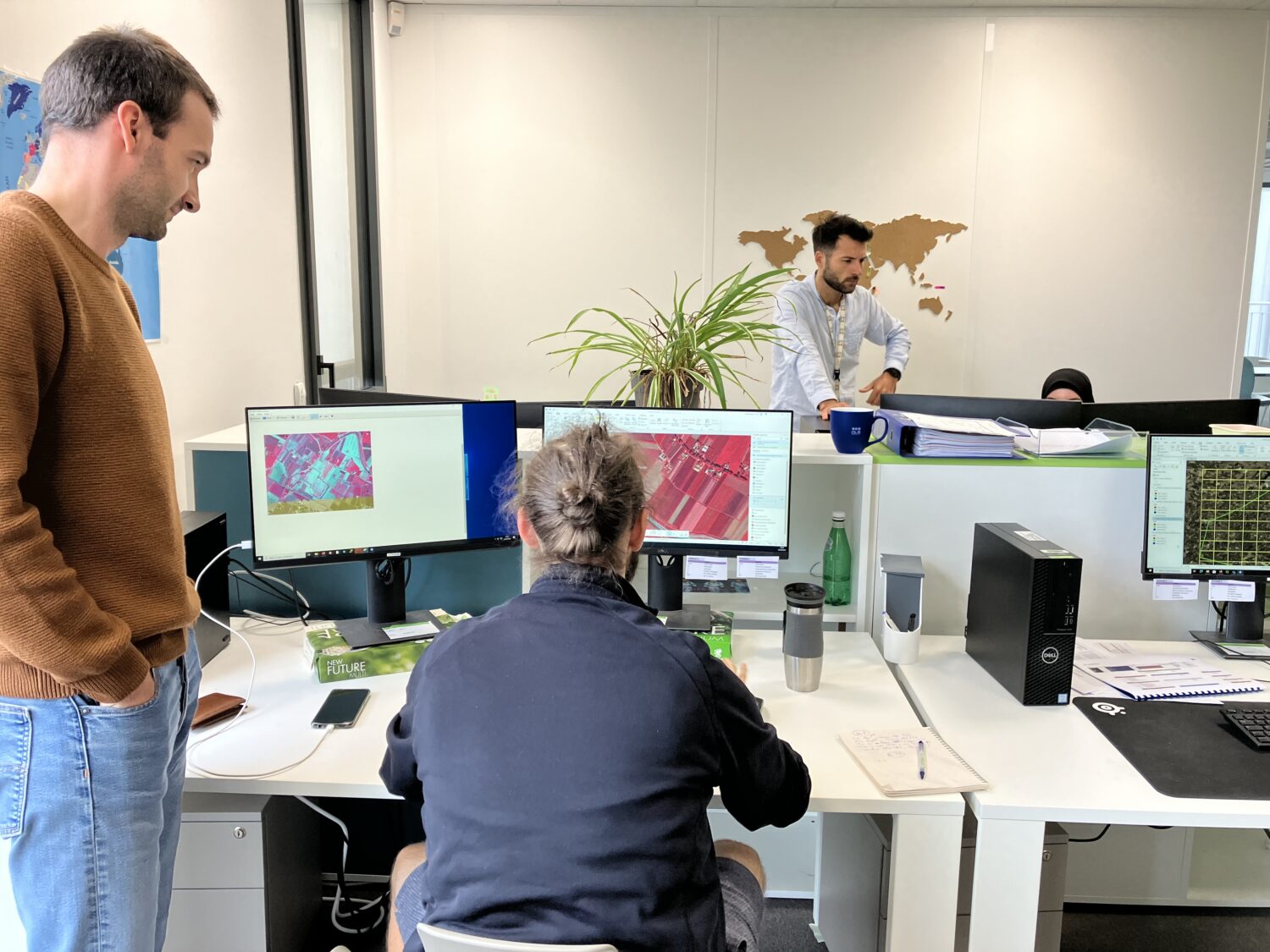
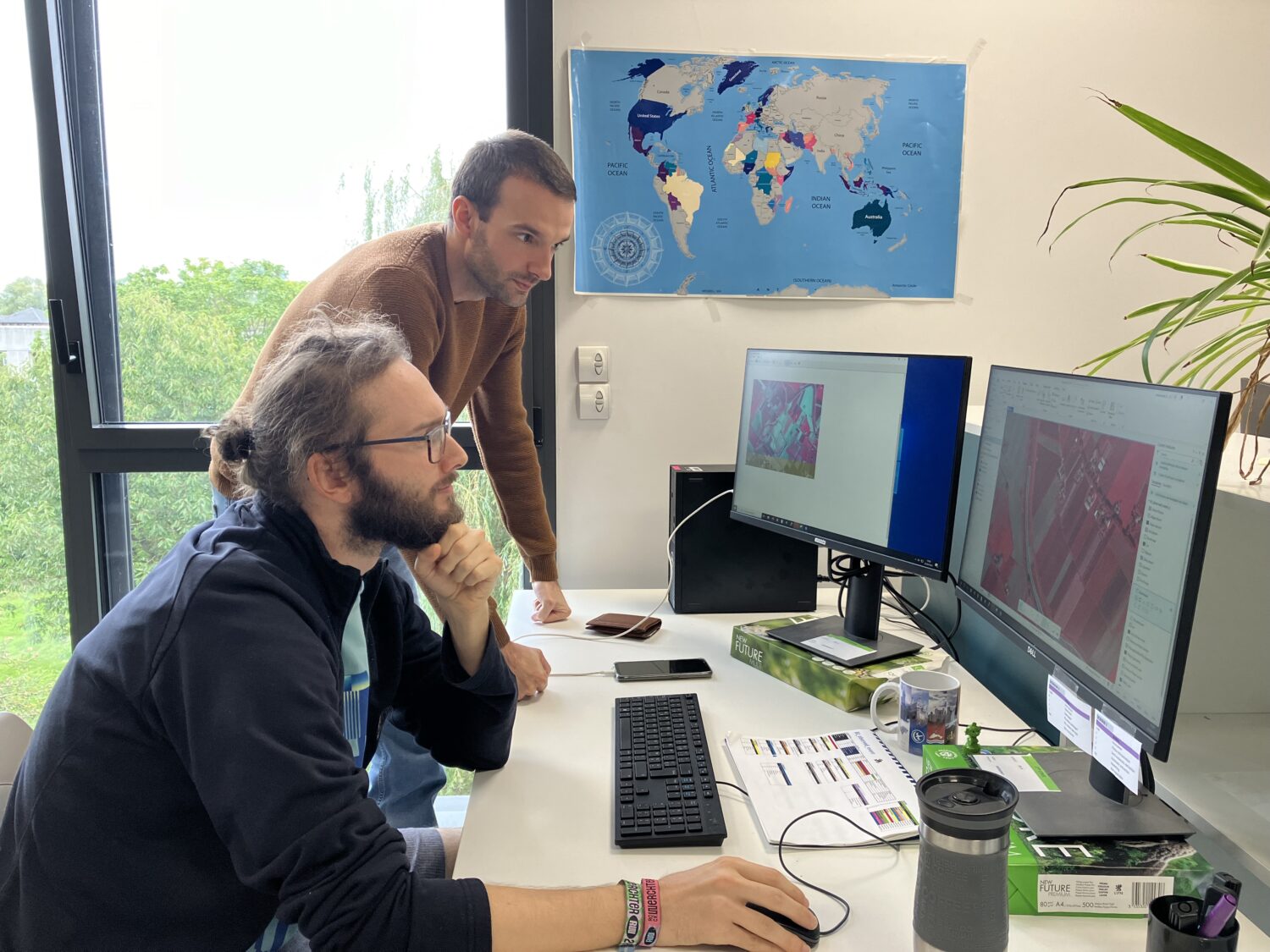
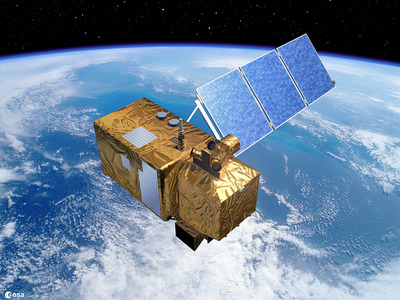
Satellite imagery from the European Space Agency’s (ESA) Sentinel satellite missions and very high-resolution Earth Observation systems will be combined with climate, topographic, geological and environmental datasets. Artificial intelligence models will then analyse these data to identify and classify hundreds of different habitat types across the region.
Rather than replacing ecological expertise, the technology is designed to extend its reach.
Over a six-month period, nearly 30 botanists will conduct approximately 700 field days across the territory, collecting the ecological reference data required to train, validate and continuously improve the models.
The result is a new form of environmental intelligence that combines the scale of satellite observation with the precision of field ecology.
A Different Approach to AI
As concern grows over the environmental footprint of artificial intelligence, the project also reflects a growing movement towards more responsible and efficient AI systems.
Instead of relying on large, general-purpose models requiring extensive computational resources, CLS, a mission driven company (equivalent B-Corp company), has adopted a frugal AI approach specifically designed for environmental monitoring applications.
The objective is simple: use only the computing power necessary to generate robust scientific results.
By combining targeted machine learning techniques with satellite data and ecological expertise, the project aims to maximise environmental insight while minimising computational impact.
This approach is consistent with a broader principle underpinning the programme: technologies designed to support environmental sustainability should themselves be developed responsibly.
Scaling Ecological Expertise
For Karim Mehah, Head of Service & Delivery, Environment & Climate Unit at CLS, the project demonstrates how innovation can support environmental stewardship when applied thoughtfully.
Karim Mehah, Head of Service & Delivery, Environment & Climate, CLS:
"Artificial intelligence is often discussed in terms of its environmental footprint. We believe the conversation should also focus on how AI is designed and what purpose it serves. In this project, we are using a frugal AI approach to help understand and protect biodiversity on a regional scale. By combining satellite observation, ecological expertise and targeted machine learning, we can generate valuable environmental intelligence while remaining consistent with the sustainability objectives we are trying to support."
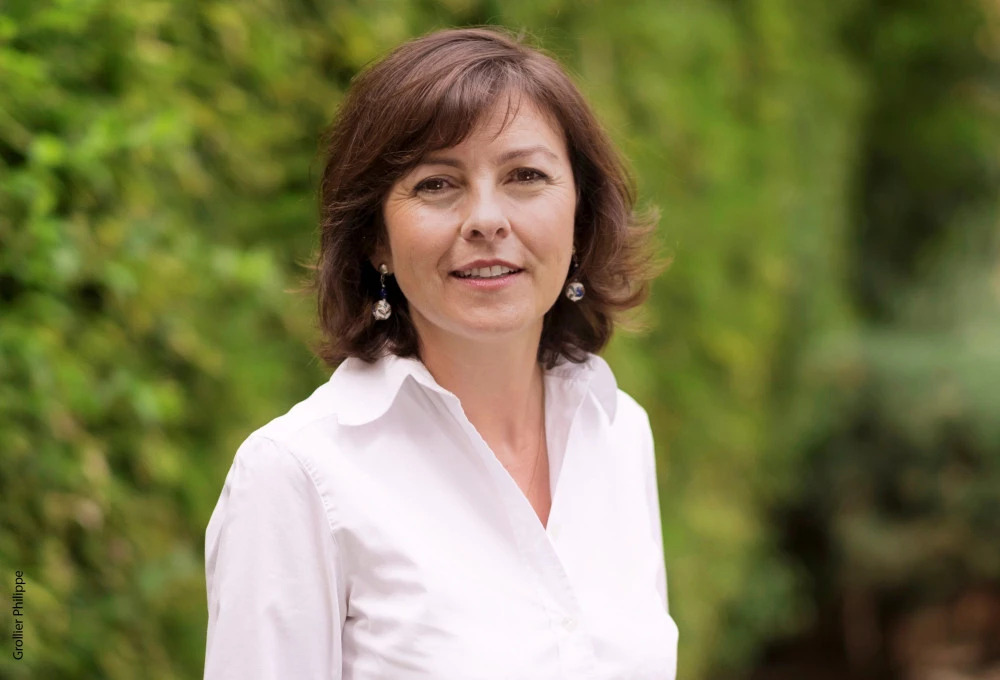
Carole Delga, President of the Occitanie / Pyrénées-Méditerranée Region:
“Protecting biodiversity means investing in the future of our region and of future generations. With this unprecedented mapping initiative, the Region is equipping itself with a strategic tool to anticipate the impacts of climate change, better manage land artificialisation, and support more sustainable and responsible territorial development.
This is a strong commitment to preserving our natural heritage and improving the well-being of our communities. CLS embodies the excellence of the regional space industry, firmly rooted in Occitanie and recognized internationally. I am proud that the Occitanie Region can draw on their expertise to support this ambitious and transformative project for our territory."
As biodiversity loss and climate change continue to reshape landscapes around the world, the ability to observe nature from space, validate it on the ground and transform it into actionable intelligence may become an increasingly important tool for governments and territories seeking to protect natural ecosystems.
The Occitanie programme offers a practical example of how technology, when combined with scientific expertise and designed responsibly, can help turn data into action for nature.
About CLS
CLS is a global company, mission-driven, and pioneer provider of monitoring and surveillance solutions for the Earth, created in 1986. We are subsidiary of the French Space Agency1 (CNES) and CNP2, an investment firm. Our mission is to create innovative space-based solutions to understand and protect our planet and to manage its resources sustainably.
CLS employs, now, 1,200 people at our headquarters in Toulouse (France) and in 40 other sites around the world.
The company works in five strategic markets:
• sustainable fisheries management,
• environmental monitoring,
• maritime surveillance,
• mobility,
• and energies & infrastructures.
CLS processes data from almost 200,000 beacons per month (such as drifting buoys, animal tags, VMS beacons, & LRIT tracking) and observes the oceans and inland waters (every day more than 20 instruments onboard satellites deliver information to CLS on the world's seas and oceans). In addition, we monitor land and sea activities by satellite (nearly 20,000 radar and optical images and several hundred drone flights are processed each year).
Committed to a sustainable planet, every day the company works for Earth, from Space.
www.cls.fr/en
¹About CNES
The French Space Agency (Centre National d’Études Spatiales) is the government agency responsible for shaping and implementing French space policy in Europe. It designs and puts satellites into orbit and invents the space systems of tomorrow; it promotes the emergence of new services useful in everyday life. Founded in 1961, CNES has developed major space projects, launchers, and satellites and is the industry’s natural partner for promoting innovation. The agency has nearly 2,500 employees passionate about space and its infinite, innovative fields of application. They work in five areas: the Ariane project, science, observation, telecommunications, and defense. CNES is a major player in technological innovation, economic development, and France’s industrial policy. It also forges scientific partnerships and is involved in many international cooperative endeavors. France, represented by CNES, is one of the main contributors to the European Space Agency (ESA). www.cnes.fr
²About CNP
CNP is a private investment company founded by Albert Frère and a preeminent player on the European investment market. Backed by a stable family shareholder base, CNP manages a net asset value of €3bn, focusing on long-term value creation by actively supporting the management teams of the companies in which it holds majority or leading stakes. From the start, CNP has sought to foster entrepreneurship: with permanent capital at its disposal, CNP comes in as a trusted partner to both founders and managers, and tailors its commitment with their ambition in mind. www.cnp.be
More about the Occitanie / Pyrénées-Méditerranée Region
The Occitanie / Pyrénées-Méditerranée Region is a regional authority committed to serving its residents and supporting local stakeholders. Through its responsibilities in regional planning, economic development, ecological transition, transportation, education, and vocational training, it designs and implements ambitious public policies tailored to today’s challenges.
Actively engaged in environmental transition and biodiversity conservation, the Region supports local initiatives, fosters innovation, and promotes scientific and institutional collaboration to advance sustainable and responsible development.
www.laregion.fr
More about Biotope
Biotope is an environmental consultancy specializing in ecology and biodiversity. For more than 33 years, in France and around the world, Biotope has supported businesses and public authorities through environmental impact assessments, nature conservation and management initiatives, and ecosystem restoration projects.
Biotope also advises companies on identifying biodiversity-related opportunities within their operations and integrating environmental considerations into their corporate strategies. In addition, the company provides professional training programs focused on environmental and biodiversity issues.
https://www.biotope.fr/
More about Eco-Med
ECO-MED Ecologie & Médiation is an ecological consultancy founded in 2003 by its Managing Director, Julien Viglione. The company helps regional development stakeholders navigate regulatory frameworks designed to protect biodiversity and enhance natural environments.
While the company originated in Southern France, ECO-MED’s team of field ecologists now brings its expertise across the Mediterranean region, including Occitanie, Auvergne-Rhône-Alpes, and Bourgogne-Franche-Comté, as well as internationally.
www.ecomed.fr
More about Envolis
ENVOLIS is a consultancy composed of scientists and environmental experts who provide environmental assessments and advisory services in the fields of water, soil, and biodiversity.
Working with a wide range of clients, whether driven by regulatory requirements or a genuine commitment to environmental stewardship, ENVOLIS supports projects throughout their entire lifecycle—from design and implementation to operation. The company currently operates across western and southern France through its regional offices.
www.envolis.fr
More about Naturalia
Naturalia Environnement is an ecological consulting and engineering company. Founded in 1998, it has become a recognized leader in biodiversity expertise and environmental regulatory studies.
Its multidisciplinary team, composed primarily of ecologists and naturalists, develops practical solutions to protect, restore, and sustainably manage ecosystems.
www.naturalia-environnement.fr