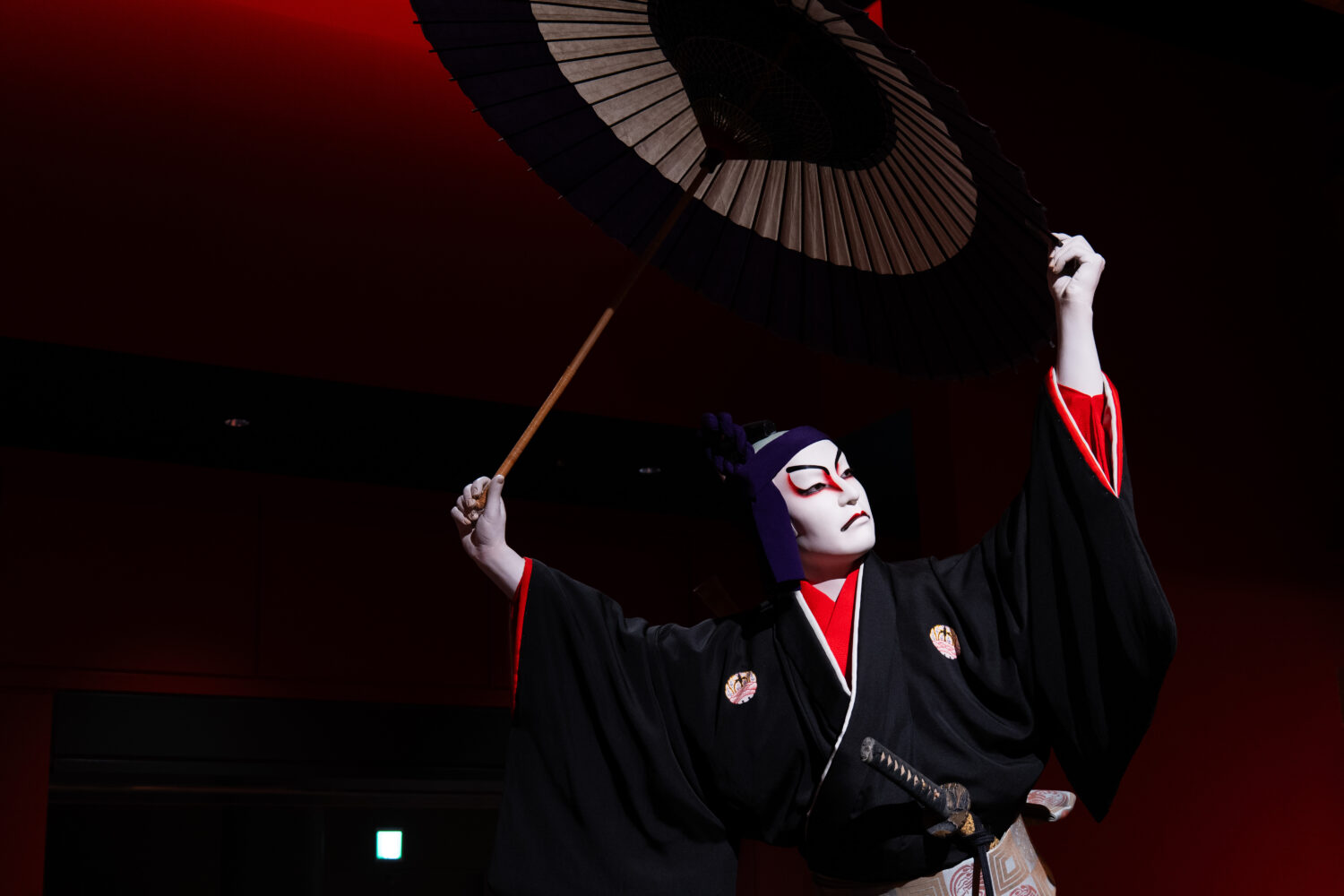
However, the craftsmanship, culture and knowledge from the Edo period (1603-1868) are not only found in museums. Edo cuisine’s flavors and techniques are the foundation of modern Japanese cuisine, and businesses that have been creating and innovating since that time are still bringing their craft to the world.
Read on to see how in Tokyo Edo culture is still present in daily life and being passed on, incorporating new sensibilities and gaining new fans around the world.
【November 12, 2026, Tokyo】
Tokyo’s History Comes Alive at the Edo-Tokyo Museum
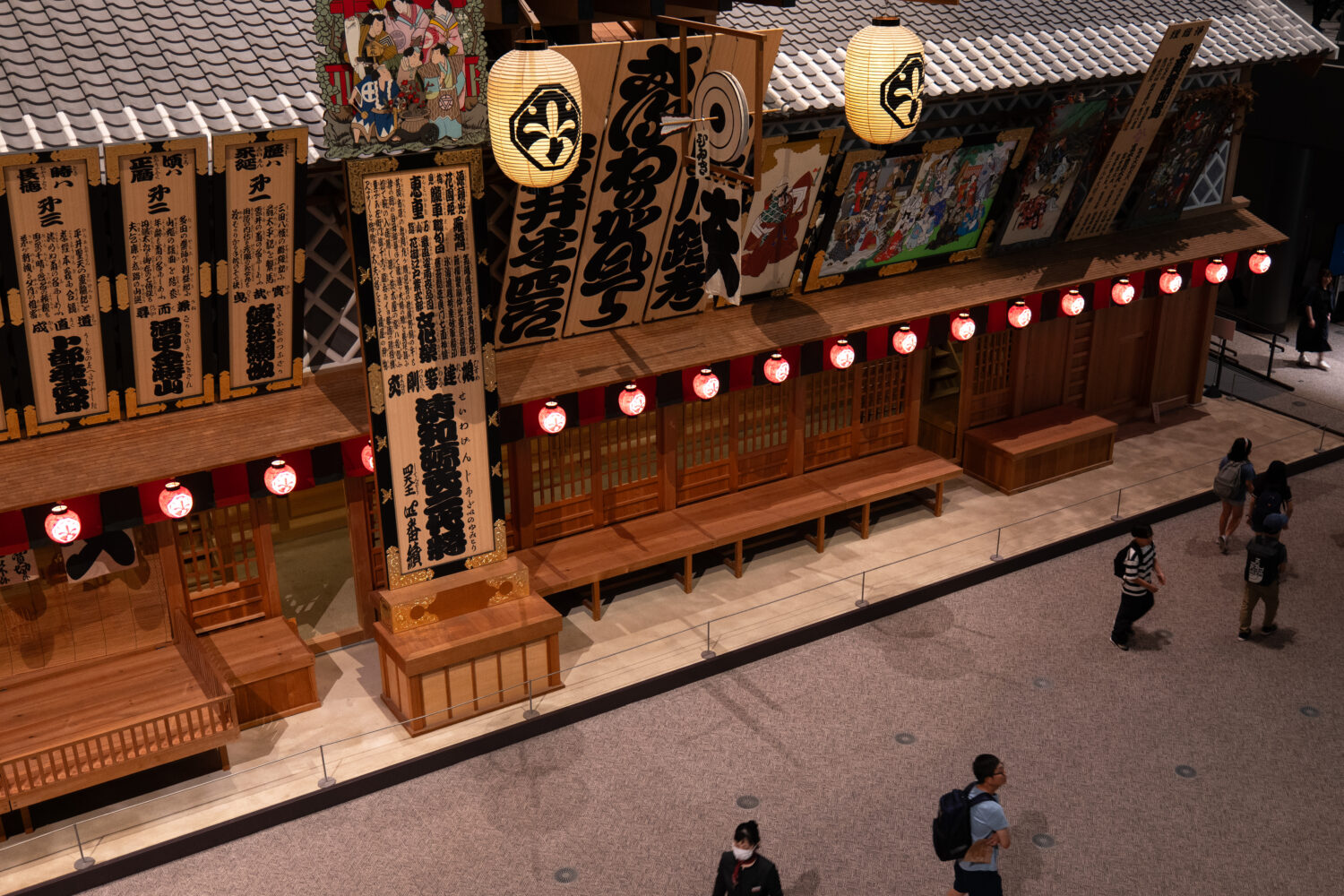
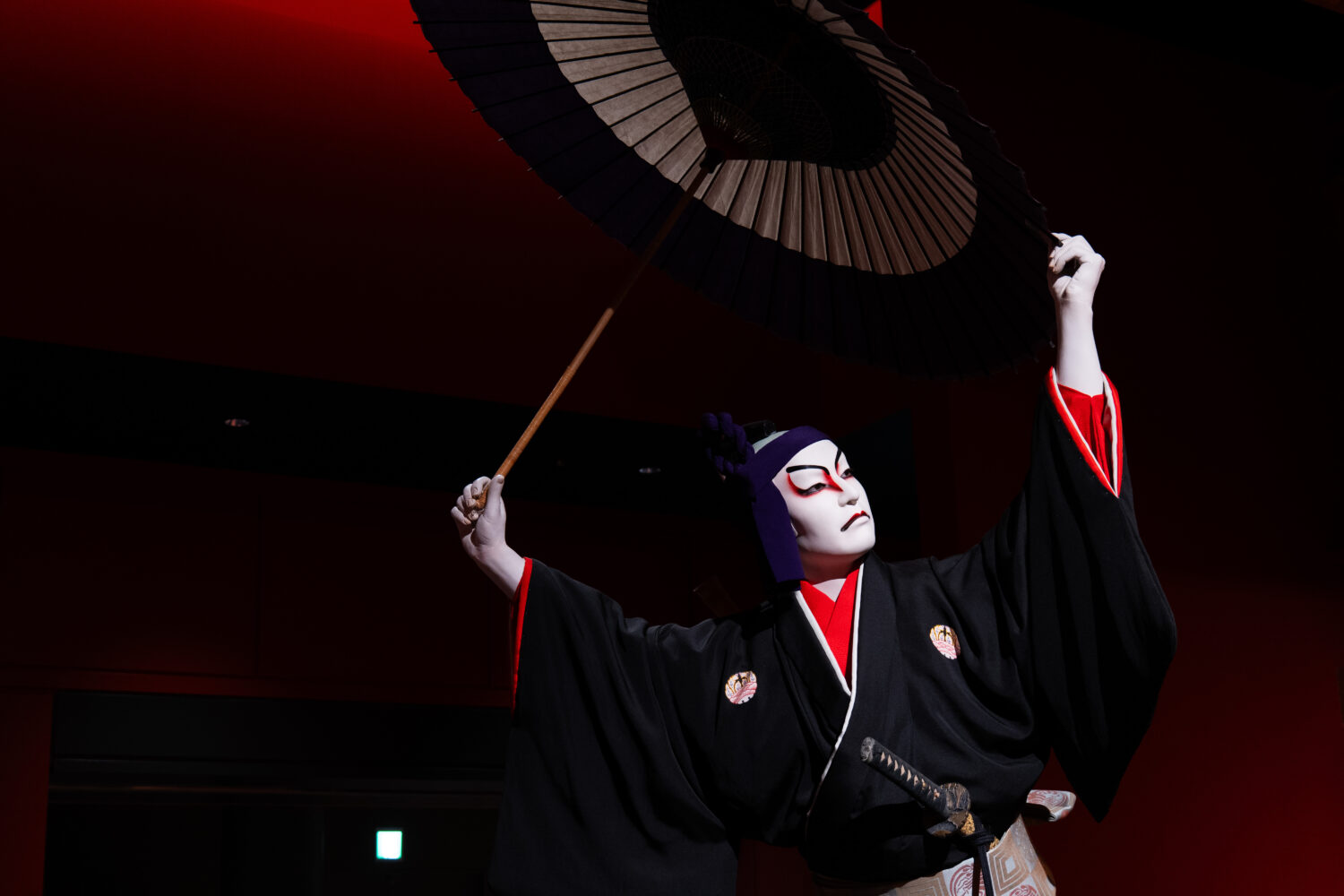
Recently reopened after a massive renovation, the Edo-Tokyo Museum is once again welcoming visitors from across the globe to step into history, thanks to new and improved large-scale models, projections, sound, and interactive elements. Visitors can cross a life-size Nihonbashi Bridge and explore detailed recreations of the Nakamura-za kabuki theater, homes, food stalls, and everyday life from Tokyo’s past.
The central concept behind the renewal was to create a sense of immersion in historical spaces, rather than presenting history as a series of isolated objects. The Edo Zone and Tokyo Zone form the core of the experience, tracing the city from the Edo period—the age of the Tokugawa shogunate—through modernization, disaster, war and recovery to the city as it is now. The facility now offers smartphone-based audio guidance in 13 languages, along with multilingual touch panels.
Some of the museum’s most engaging displays focus on ordinary urban life, allowing visitors to explore compact homes, shared facilities, and close neighborhood relationships. Other exhibits introduce Edo’s water infrastructure, and a new interactive model traces how food and everyday goods came into the city.
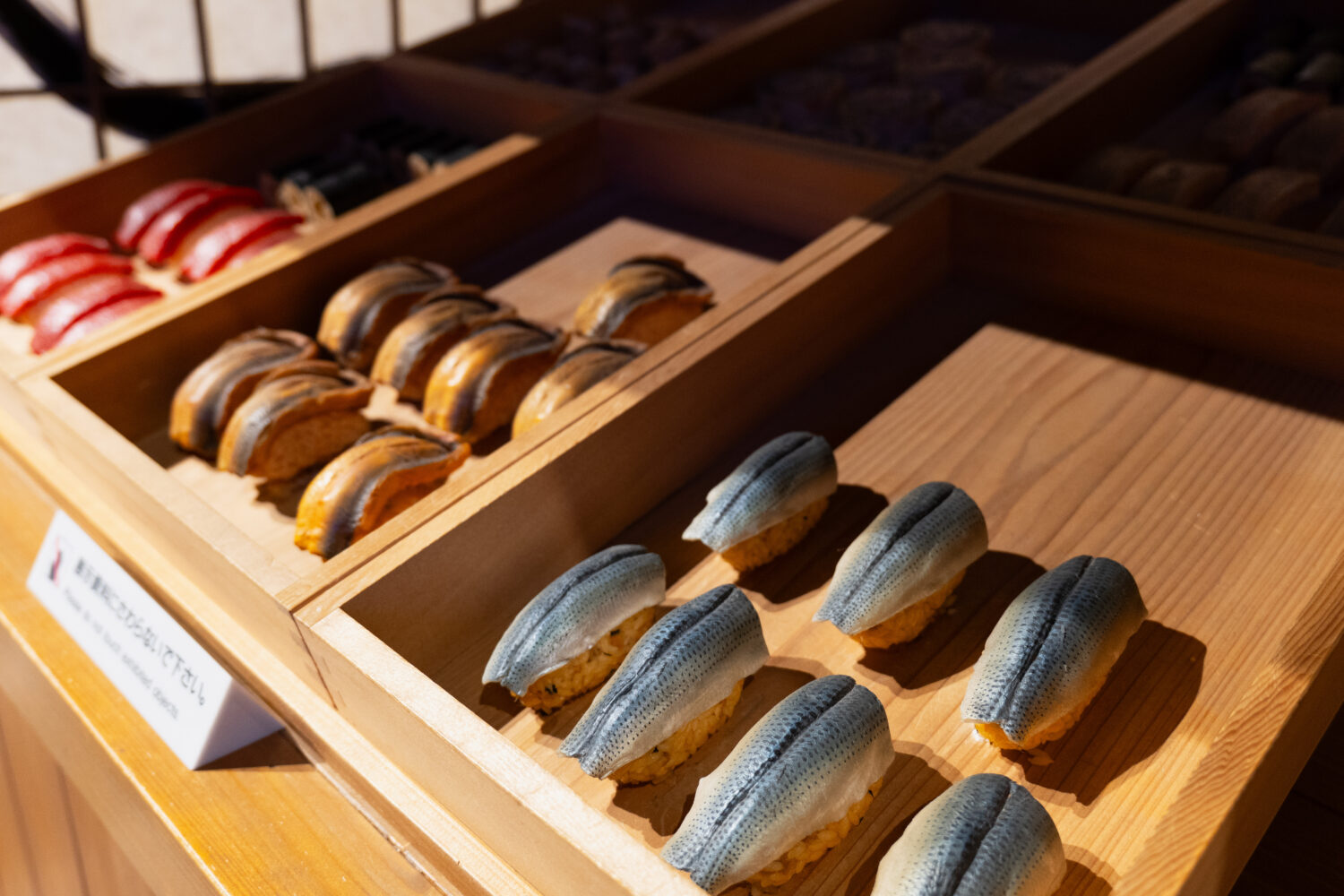
The museum has also added a tempura stall to its existing sushi and soba stalls, showing how foods now loved around the world started out as casual Edo street food.
Edo Cuisine: Exploring the Roots of Japanese Cuisine
Edo cuisine was the everyday fare for ordinary people from the 17th to the 19th century, and became the foundation of washoku, traditional Japanese cuisine as we know it today. One of the best-known researchers of this food culture is Kuruma Ukiyo, a historical novelist who also heads the Edo Culinary Culture Research Institute and shares the cuisine with the world from her recreated Edo-style kitchen and studio.
Her interest in Edo cuisine was sparked when she helped edit a book about the period, and began recreating dishes found in Edo literature, posting one on her blog every day. This eventually developed into an online series, and before she knew it, she had recreated over 1,000 dishes. Kuruma has also made all 100 recipes from Tofu Hyakuchin, an Edo period bestseller cookbook entirely dedicated to dishes made with tofu.
Washoku has become popular overseas, which has led to increased international interest in what people used to eat in Japan. Kuruma has spoken and been interviewed internationally about her work, sharing that many beloved dishes like sushi, grilled eel, tempura, and soba noodles originated between the 17th and 19th centuries, something even many Japanese people aren’t fully aware of.
Tokyo’s Sole Traditional Folding-Screen Shop
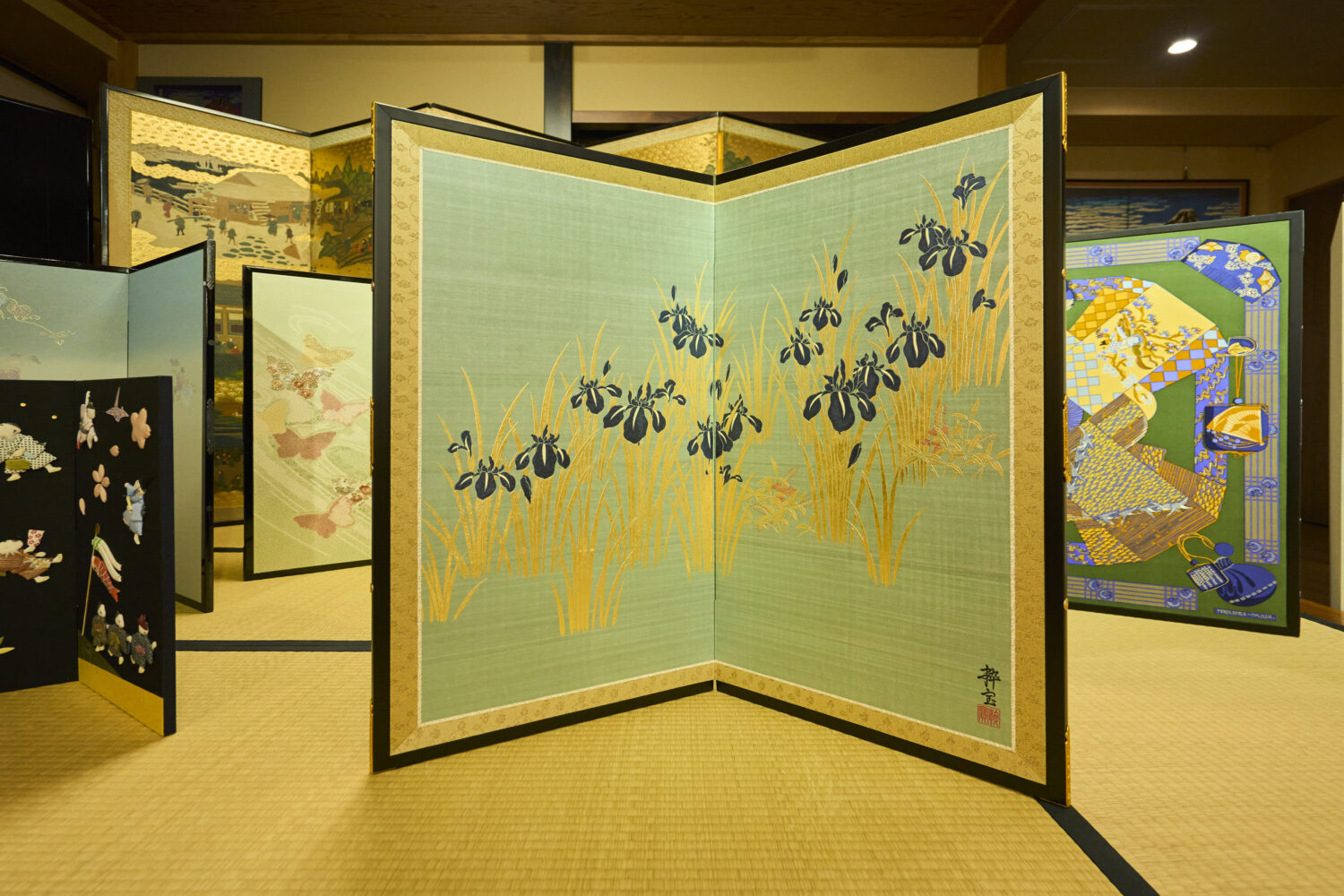
Growing international interest in Japanese culture is not only clear in a deep interest in local foods, but also in many of Japan’s traditional arts, such as byobu, traditional Japanese folding screens. Most commonly associated with the gold-leaf backdrops seen at wedding ceremonies or with ink wash paintings displayed in museum galleries, Kataoka Byoubu is now the only shop devoted to the craft in Tokyo. It is run by third-generation owner, Kataoka Koto, who took on training in the family business while also pursuing his passion of hip-hop DJing, which allowed him to gain new insights and create innovative ways to keep this traditional craft relevant. He sometimes creates designs inspired by manga or anime, incorporating an avant-garde sensibility that resonates with the present day.
In recent years, overseas customers have come to account for about 30 percent of their sales. International customers’ fresh ideas inspire new roles for the screens, for instance being displayed prominently on a living room wall, something a Japanese person would not think to do. Tokyo’s global connections mean that traditional culture and techniques with long histories can continue to be passed down and also shared with the world.
The Craft of the Clear Umbrella
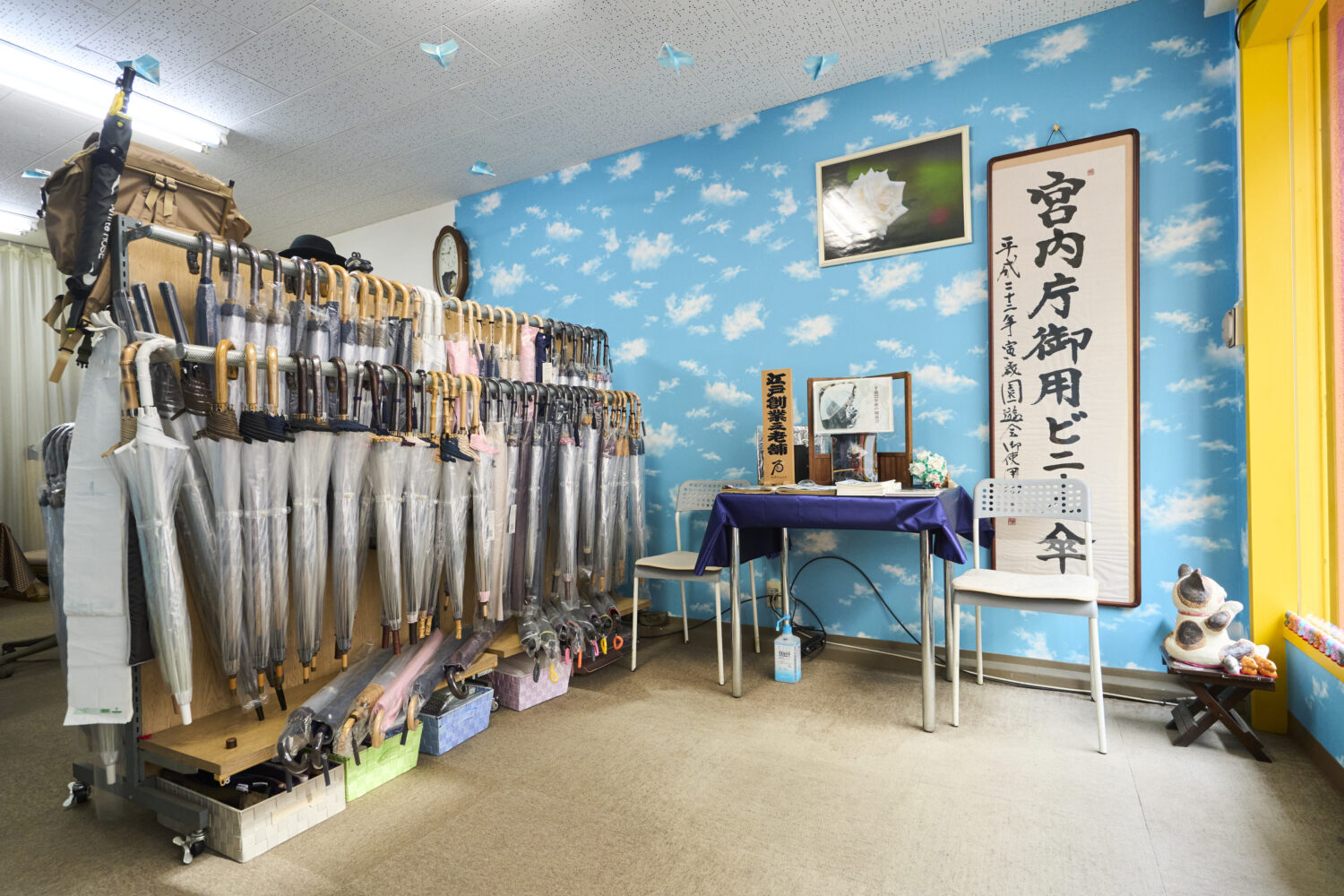
While Tokyo’s image and connection to traditional crafts is strong, it is also the site of more modern inventions. The White Rose company’s origins go back to 1721 in the Edo period. Originally a tobacco wholesaler, over time the business shifted into making rain gear and is now overseen by 10th-generation owner Sudo Tsukasa.
This ability to change with the times, repurposing materials in new ways, is at the heart of much of Tokyo’s craftsmanship. After World War II, Sudo’s father first encountered vinyl tablecloth material, a novelty brought from the United States. This gave him the idea of creating vinyl umbrellas that are waterproof and resistant to color loss, unlike the cotton fabric versions common at the time.
The idea eventually took off, and these days inexpensive, mass-produced clear vinyl umbrellas can be seen all over the country. However, White Rose’s umbrellas are designed for durability, not as throwaway items, and they offer repair services and replacement parts, encouraging users to keep their umbrellas rather than discard them. This is a true continuation of Edo period craftsmanship: improving incrementally, repairing whenever possible, and avoiding unnecessary waste. Their work has been selected by the Edo Tokyo Kirari Project, which introduces representative Tokyo brands, based on the concept of “Old meets New”. The project selects businesses that possess both quality and beautiful design, with new, inspired approaches that fulfill contemporary lifestyle needs.
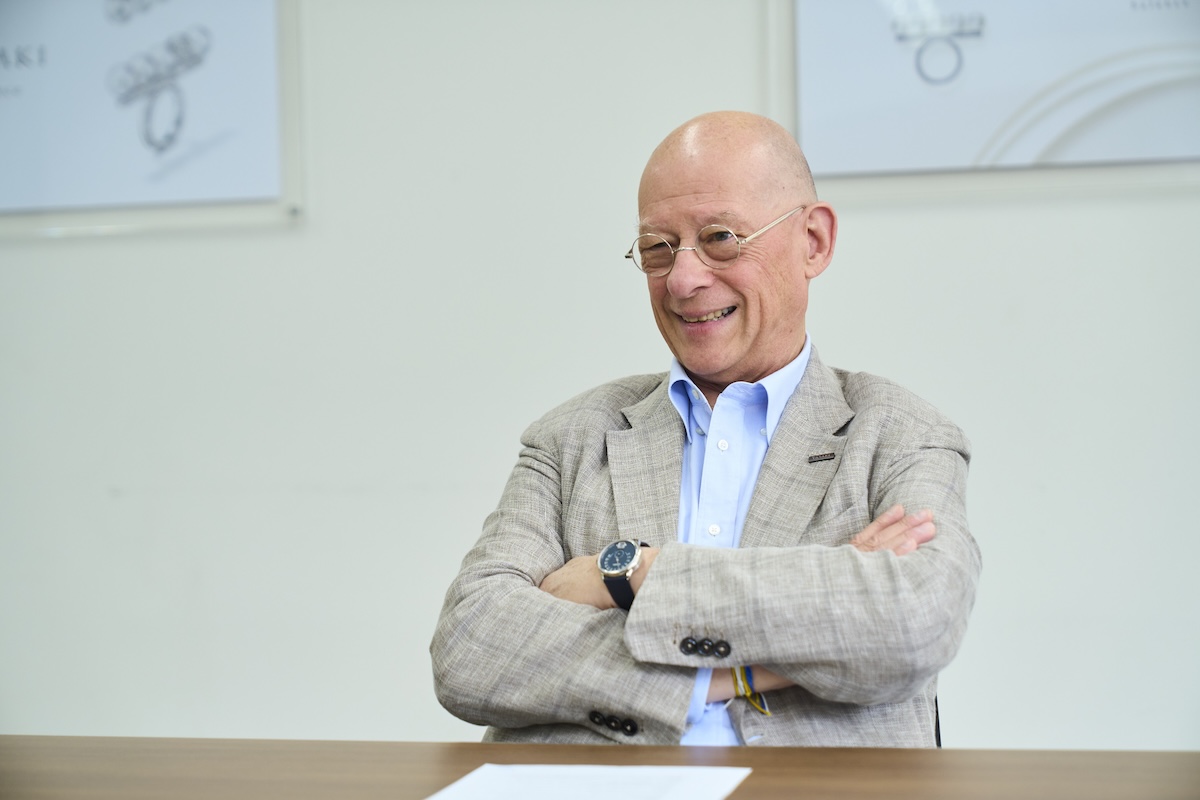
Richard Collasse on Tokyo’s Aesthetics, Tourism, and Beyond
Serving as the head of GIVENCHY, CHANEL, and Global CEO of TASAKI, Collasse has long played a pivotal role at luxury brands in Japan. He is also a respected novelist, publishing 12 books to date in both French and Japanese, many about his experiences in Japan over the decades.
Collasse felt a profound connection to Japan that began as soon as he entered the country, a connection that has continued to mature over time and reflects his great respect for Japan’s culture and the many people he has met in Tokyo and beyond. As a writer he finds the city to be an endless well of inspiration, gained by partaking closely in community life since the late 1970s, including walking in hinoyoujin processions, a tradition that has endured since the Edo period to warn people about the dangers of starting house fires.
Appointed in 2023 as a Tokyo Tourism Ambassador, Collasse is passionate about preserving cultures and traditions without succumbing to commodification, emphasizing that Tokyo has its own unique story to tell.
From traditional crafts to cuisine and traditions, Edo culture is still a present part of daily life in Tokyo, connecting the vibrant modern city with its historic roots, and fascinating visitors and locals alike.
Tokyo's History Comes Alive at the Reopened Edo-Tokyo Museum
Edo Cuisine: Exploring the Roots of Washoku
Tokyo's Sole Traditional Folding-Screen Shop: A Third-Generation Craftsman on Tradition and Charm
Clear Protection: Redefining Japan's Plastic Umbrella
Entrepreneur and Author Richard Collasse Shares Insights on Aesthetics, Tourism, and Beyond
About TOKYO UPDATES
TOKYO UPDATES is an online magazine offering fresh insights into Tokyoʼs latest developments. With contributions from prominent figures, journalists, and independent writers from diverse backgrounds, the platform covers daily life, leading SDG initiatives, and urban challenges in Japanʼs capital.