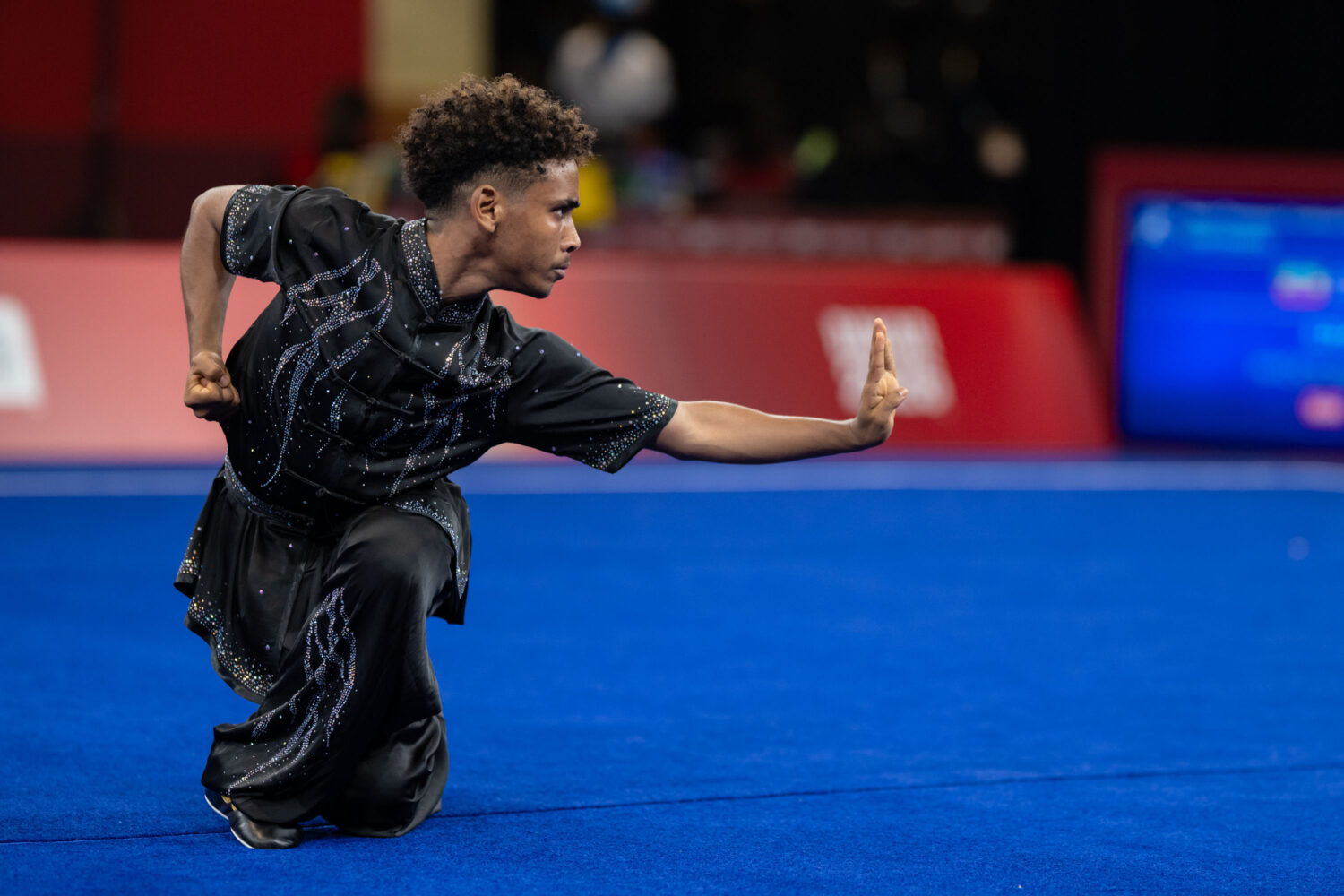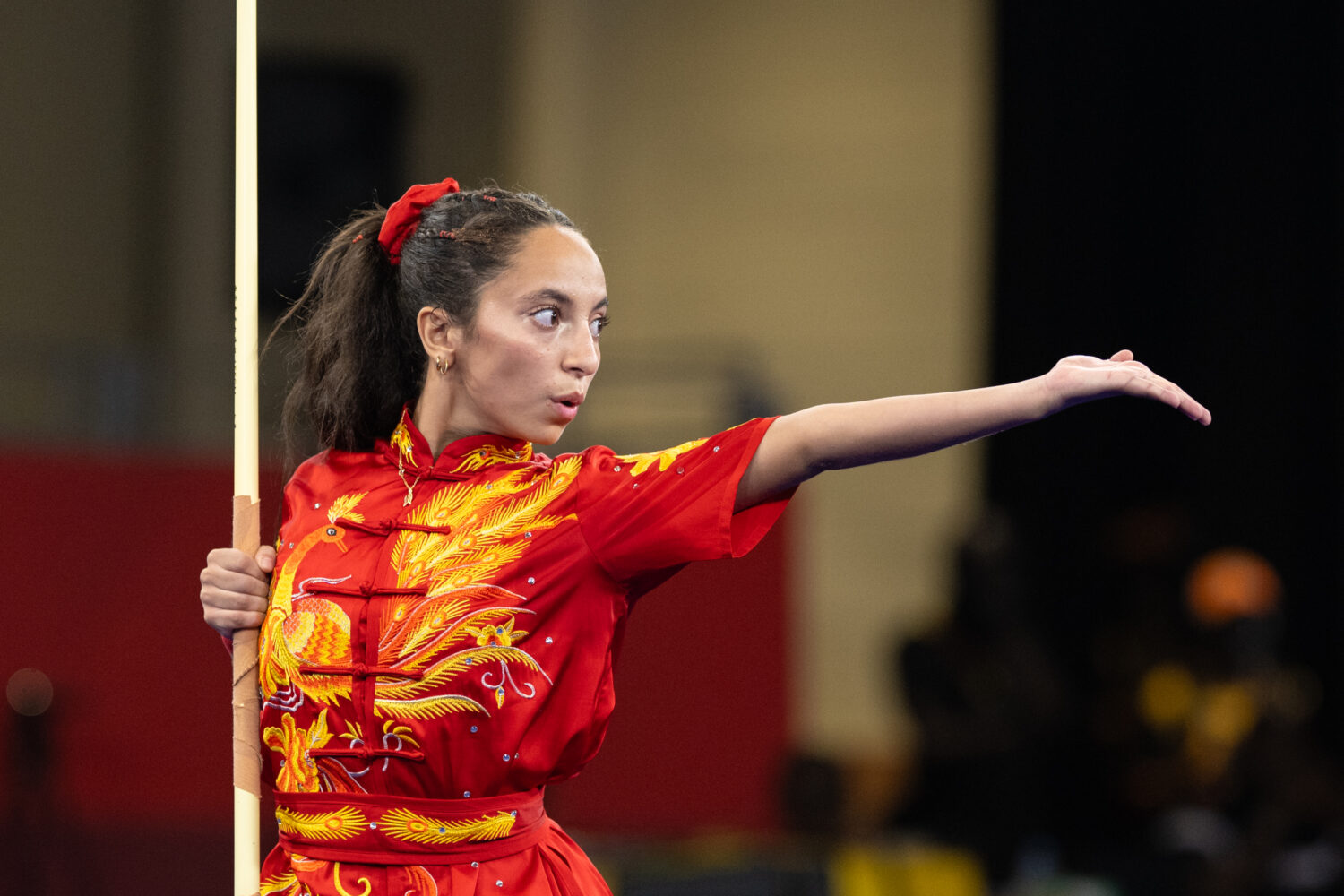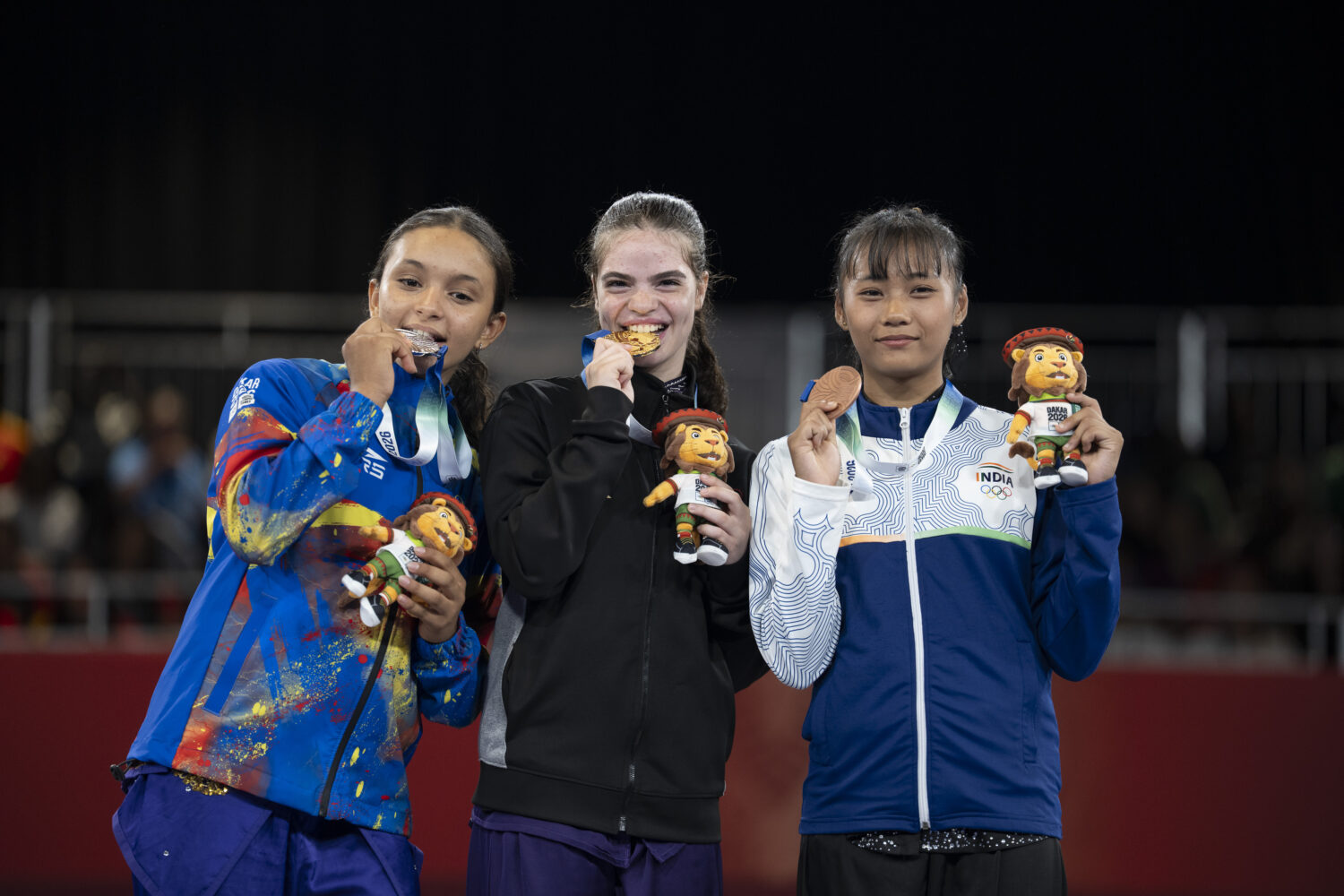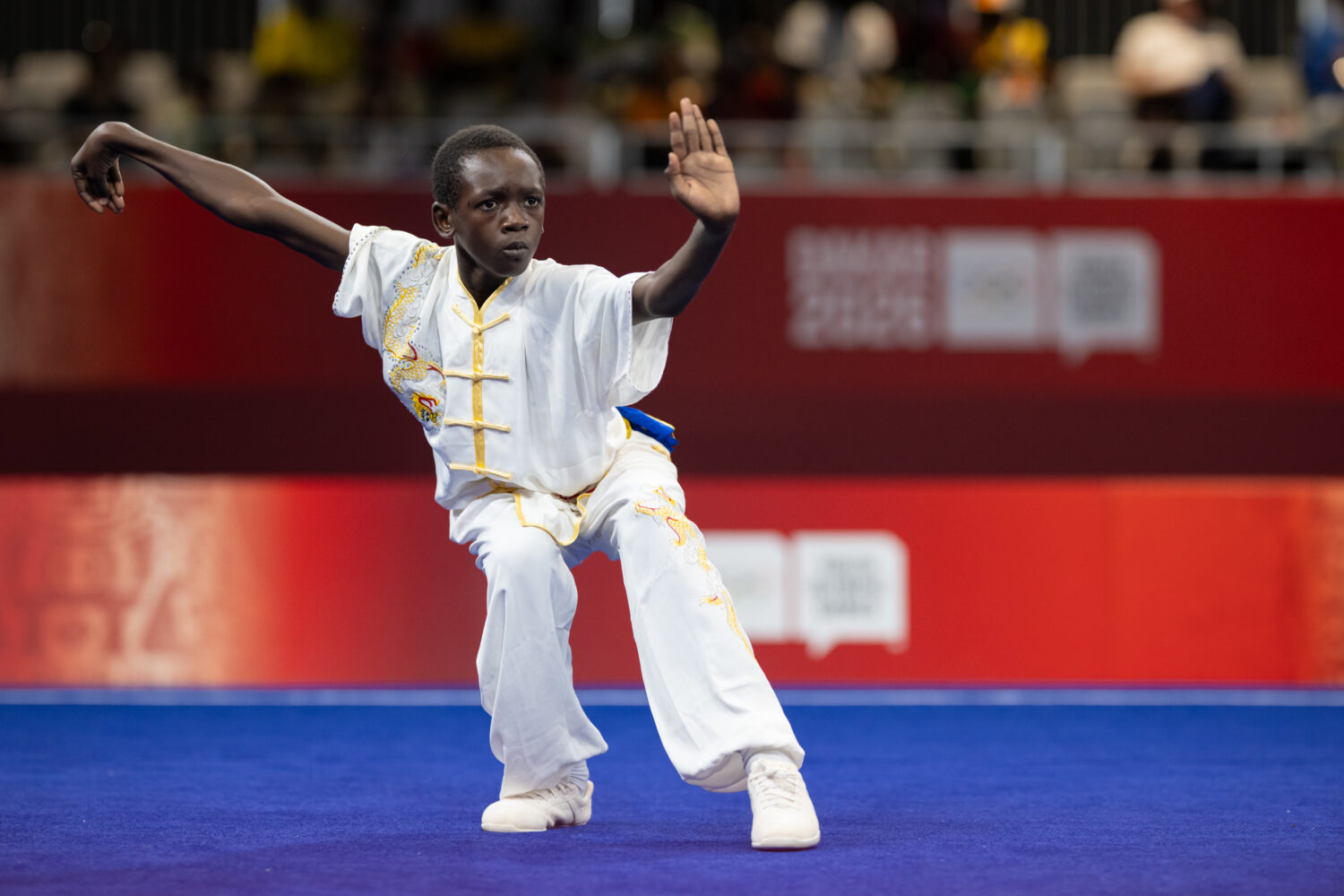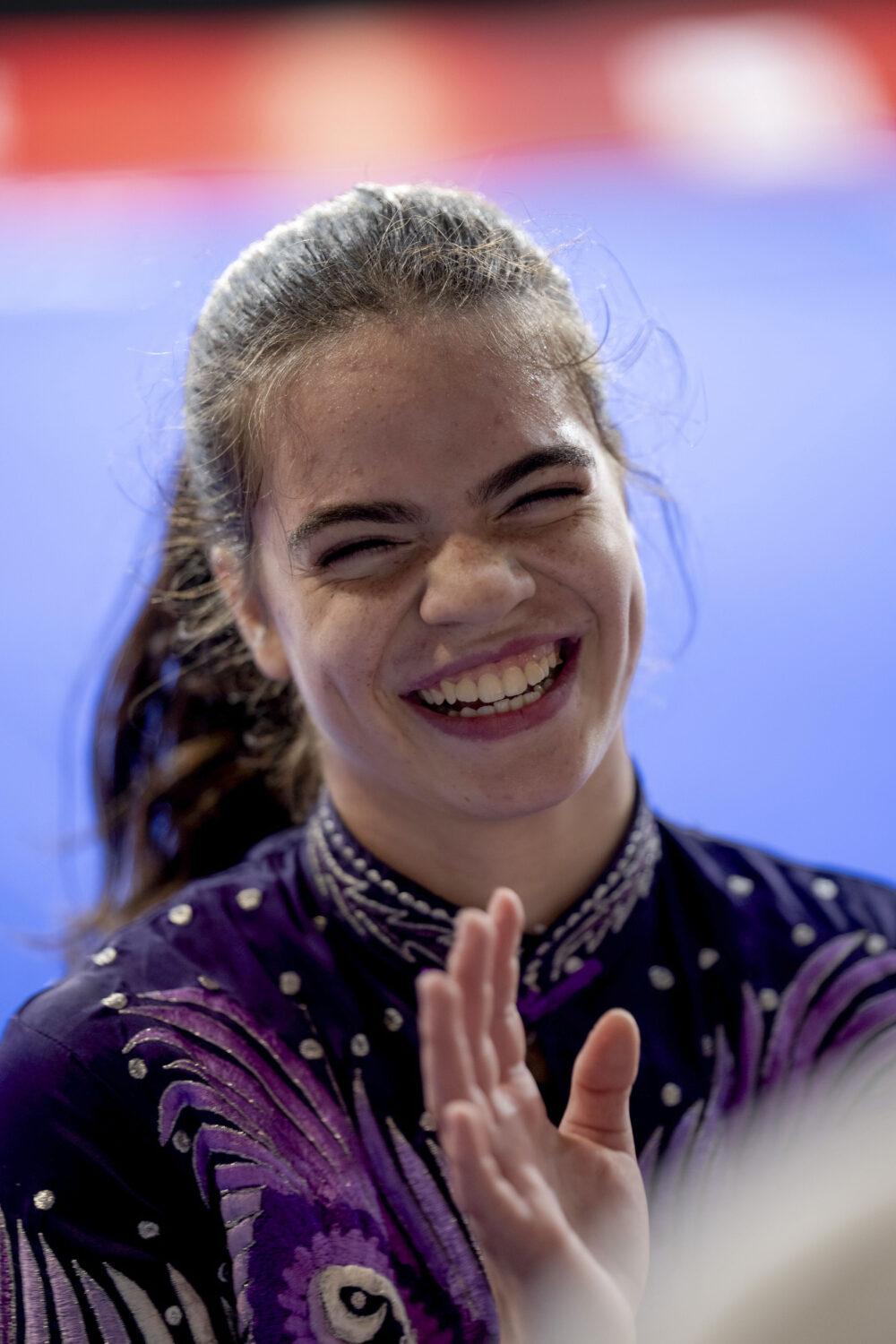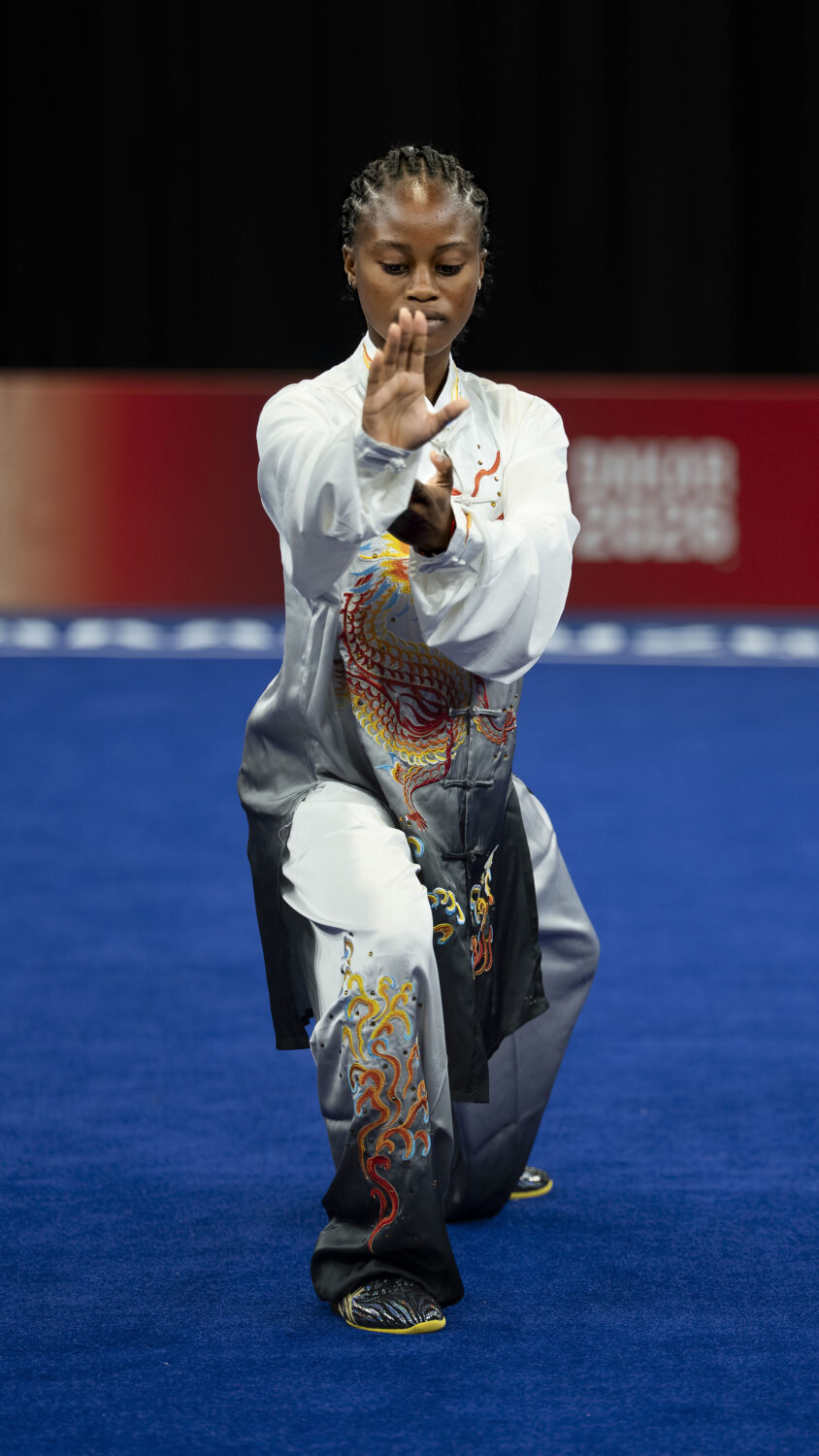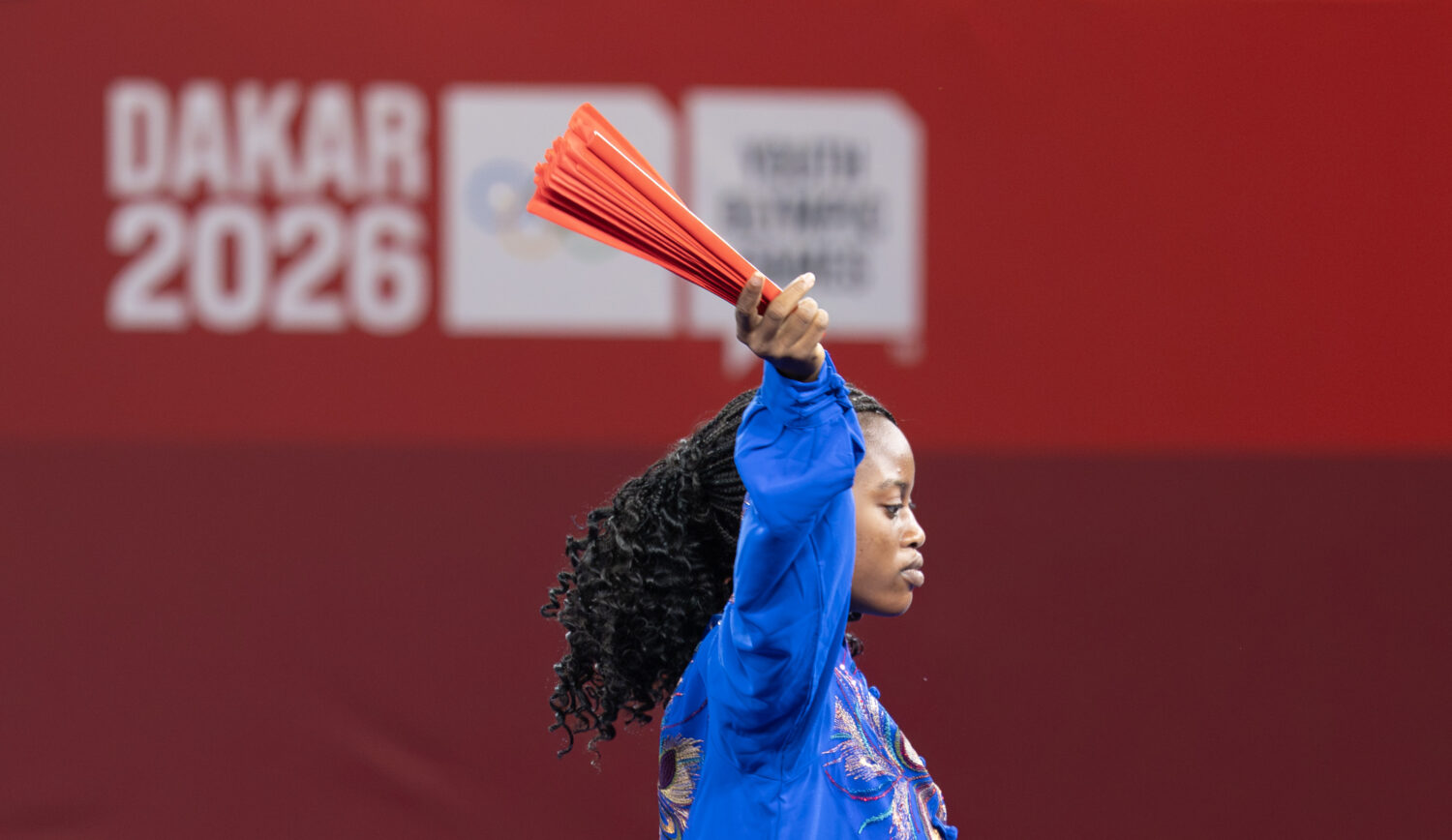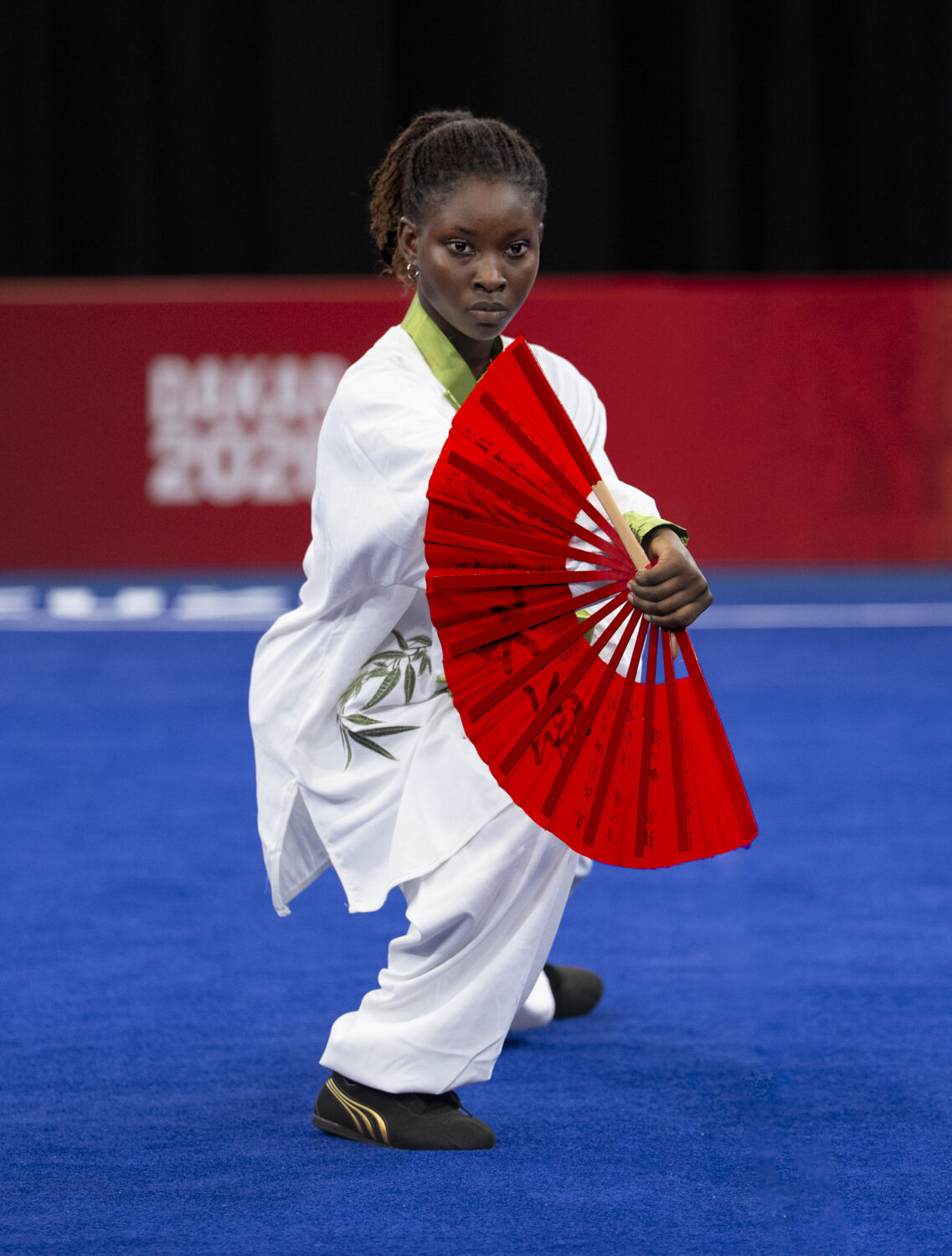
The 15-year-old from Cairo won the women’s Changquan Combined event on 3 November, securing Africa’s only wushu medal at the Youth Olympic Games.
Sherif Mostafa, President of the African Wushu Kungfu Federation and Vice President of the International Wushu Federation (IWUF), described the competition as an important milestone for the African continent, and for the sport globally.
“On behalf of every single one of our 54 African countries, we send a clear message to the world: the future of wushu is being written today with African hands. Dakar 2026 is just the beginning of an inspiring new era for the millions of young African people,” said Mostafa.
“Across the continent, wushu is no longer merely a martial art. It has become an integral part of the African sporting landscape. Our African athletes are no longer just participating. They are first-class competitors ready to take on the global stage and claim their place at the top.”
African athletes accounted for 12 of the 47 competitors representing 46 National Olympic Committees (NOCs) who participated the wushu competition at the Youth Olympic Games in Dakar, one quarter of the participating athletes.
African athletes also benefited from a series of IWUF and Olympic Solidarity training initiatives in preparation for the Dakar 2026 Youth Olympic Games.
These included the IWUF Olympic Solidarity and African Youth Wushu Training Camp held in Dakar, Senegal (27 October–4 November 2025), followed by Wushu Taolu training camps in Beijing, China (3–11 January 2026), Ismailia, Egypt (1–8 February), and Tianjin, China (24–30 March).
In the final preparations for Dakar 2026, the IWUF conducted a four-day Olympic Solidarity online training camp from 1–4 September, featuring open classes for qualified athletes and coaches. This was followed by specialised one-on-one instruction from 7–21 September for selected athletes and coaches from 11 African
countries.
Head of State and Olympic leaders attend wushu’s debut
The wushu competition attracted spectators and the most senior government and Olympic officials, including Senegalese President Bassirou Diomaye Diakhar Faye, IOC President Kirsty Coventry, IOC Honorary President Thomas Bach and Gao Zhidan, Special Envoy of Chinese President Xi Jinping, China’s Minister of Sport
and President of the International Wushu Federation (IWUF).
Also attending were IOC Vice-Presidents Nawal El Moutawakel of Morocco, Juan Antonio Samaranch of Spain and Belgium’s Baron Pierre-Olivier Beckers-Vieujant, who chairs the IOC Coordination Commission for the French Alps 2030 Olympic Winter Games, along with numerous IOC Members and Olympic officials.
President Faye welcomed the sport’s inclusion in Dakar.
“Wushu is a spectacular and highly watchable sport, and it has written a new chapter in Olympic history here in Dakar,” he said.
IOC President Coventry, a two-time Olympic swimming gold medallist from Zimbabwe, commented on the athletic qualities of the sport.
“I had the opportunity to go and watch wushu. It was really beautiful, and you could see the strength, the power and the agility of the athletes combined into one. It was a wonderful experience.”
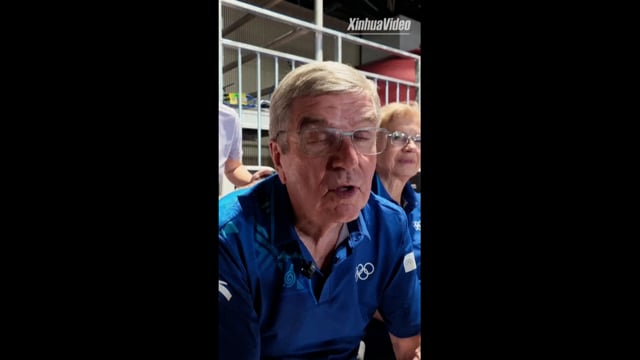
IOC Honorary President Bach described wushu’s Youth Olympic debut as an important opportunity for the sport.
“I think it’s of great significance because it’s the Youth Olympic Games is the entry door to the Olympic program. And what we can see here is that wushu is making good use of this opportunity to present itself in an excellent way,” Bach said.
Academy Award-winning actress and IOC Member Michelle Yeoh, internationally recognised for her martial arts films, including Crouching Tiger, Hidden Dragon, also attended the competition.
“This is the first step,” Yeoh said. “The Youth Games is very important to the IOC family. This is the first time wushu is in competition. I'm very, very proud of it because we waited a very long time to have this opportunity.”
She also highlighted the sport’s international reach and diversity.
“It's so obvious it's definitely multi-racial, it's definitely from across the different continents and I think that is very important for us as a sport, you know, that it is global and not just only for one particular culture.
“It's a very good form of discipline. It's not just for the physicality but for the mind and the spirit as well.”
A new generation of African wushu athletes
Beyond Sonbol’s gold medal, Dakar 2026 provided an opportunity for young African athletes to compete against leading international competitors and gain experience on the Olympic stage.
Their participation reflected the sport’s growing presence across the continent, with athletes from different countries bringing their own experiences and ambitions to the competition.
For Senegal’s Woreye Ndiaye, competing at a Youth Olympic Games in her home country was a particular source of pride.
Ndiaye began practising wushu in 2020 at the Foukane Club in Grand Yoff and Médina located in Dakar. Rather than feeling additional pressure from competing before a home audience, she said the occasion strengthened her determination to represent Senegal.
“This time I did not feel any pressure because it is my country. I must be proud to prepare for this, to go on the mat,” Ndiaye said.
Ndiaye was also selected to deliver the Athletes’ Oath during the Opening Ceremony, one of the formal responsibilities entrusted to athletes at the Games.
Speaking at a press conference, she offered a simple message to her fellow competitors: “Enjoy the competition, enjoy the moment.”
Gabon’s Tracy Assengone spoke about the personal benefits she had gained through wushu and her determination to encourage more young people in her country to participate.
“Wushu has taught me not to be aggressive or violent. To be patient in life. It gave me discipline and rigour,” she said.
“I will invite more people in Gabon to come and train with me and be champions.”
Tunisia’s Zeineb Manai, who began practising wushu at the age of four, arrived in Dakar determined to test herself against athletes from countries and regions with established competitive programmes.
“I am so proud because I compete with Asian countries and regions like Chinese Taipei and Singapore,” Manai said.
“And I hope that I will work hard to be better than them. So I will work hard for the rest of my life.”
For Sonbol, winning Africa’s first Youth Olympic gold medal in wushu was a significant personal achievement, but one she hopes will lead to further progress in her sporting career.
“I will work more and achieve. I’m still young, so I am confident that I will still improve more and will be much better than this,” she said.
Sonbol received training support in Egypt through an Olympic Solidarity programme and hopes to continue developing her skills through further high-level training opportunities in Africa and potentially China.
Her victory also provided a result of wider significance for African wushu, demonstrating that athletes from the continent can compete successfully for medals at the highest level of youth competition.
Senegal looks to build on the Games
For Senegal, the benefits of hosting the wushu competition extend beyond the performances of its athletes.
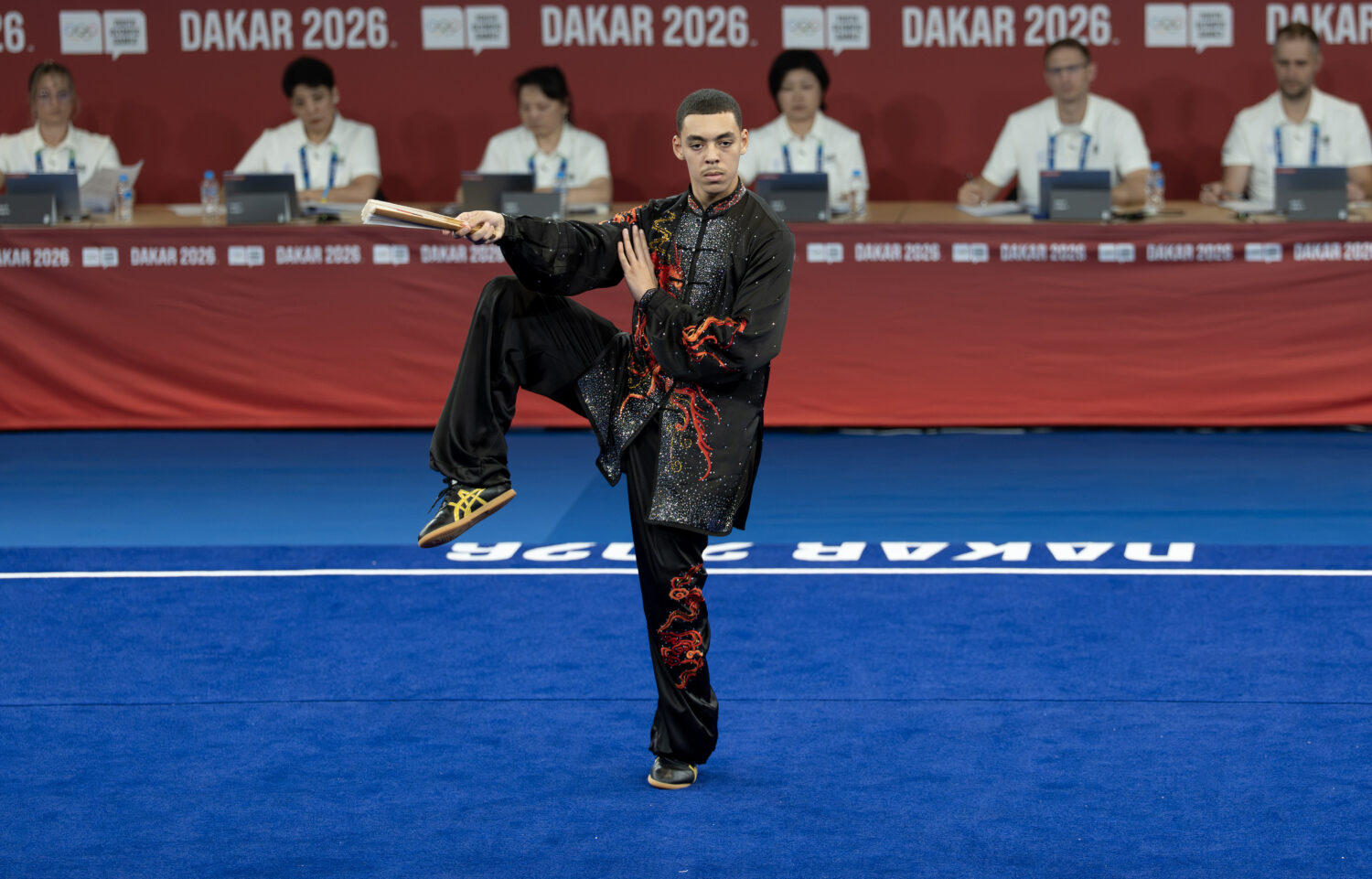
Senegalese athlete Mahibou Amar competed in the men’s Taijiquan Combined event, completing both the taijiquan and taijishan preliminary rounds but finishing outside the top eight required to advance to the final.
Amar, from the village of Bayakh in Senegal’s Thiès region, began practising wushu in 2020. Although disappointed not to reach the final, he regarded his participation as an important step in his development.
“My dream is to become an Olympic champion,” he said, expressing his determination to continue training and competing internationally.
According to El Hadji Ndiogou Gueye, President of the Senegalese Wushu Federation, more than 10,000 people now practise wushu in Senegal, with over 400 clubs operating nationwide.
Regional organisations have been established in 11 of Senegal’s 14 administrative regions, providing an organisational structure for the sport’s continued expansion.
“We have fought for many years for wushu to become part of the Olympic family,” Gueye said.
He hopes the Youth Olympic Games will bring greater recognition to wushu in Senegal, alongside improvements in equipment, coaching and access to training opportunities.
As part of the Dakar 2026 legacy programme, competition and training equipment brought to Senegal for the wushu events will be donated to local sporting organisations under arrangements coordinated by the Dakar 2026 Organising Committee.
The equipment is expected to support local training programmes, future competitions and grassroots participation.
Preparations for the Games also provided opportunities for Senegalese athletes and officials to gain international experience.
The Senegalese team travelled to Tianjin, China, where they attended the 10th World Junior Wushu Championships and worked with experienced wushu coaches and technical experts.
During Dakar 2026, 21 international technical officials were involved in the competition, providing opportunities for local officials to observe and work alongside experienced international counterparts.
Local federation lecturers also participated in the “Experience Wushu” programme, contributing to the transfer of technical knowledge and experience to Senegalese coaches, judges and administrators.
These initiatives are intended to strengthen the local expertise required to organise competitions, develop athletes and sustain the sport beyond the Youth Olympic Games.
A foundation for African wushu
Wushu’s debut at Dakar 2026 represented an important step for the sport within the Olympic Movement and provided African athletes with an opportunity to compete internationally on their home continent.
The participation of 12 African athletes, Sonbol’s gold medal and the development initiatives associated with the competition demonstrated both the progress already made and the opportunities for further growth.
For Senegal, the challenge will be to translate the exposure and experience gained during the Games into sustained participation, stronger national competitions and improved development pathways for young athletes.
For the wider African wushu community, Dakar 2026 provided a first Olympic champion, valuable international competition experience and a foundation on which to build.
Olamide O. Abe, Martha Burr, Alice Liu