A unique race through an extraordinary territory
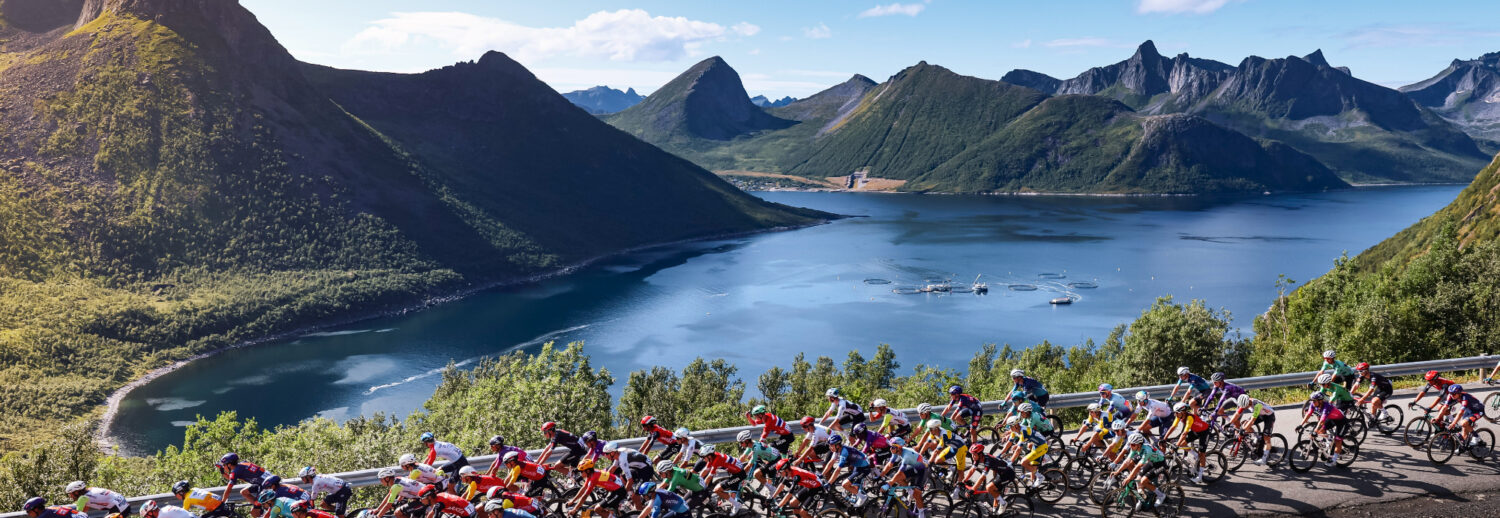
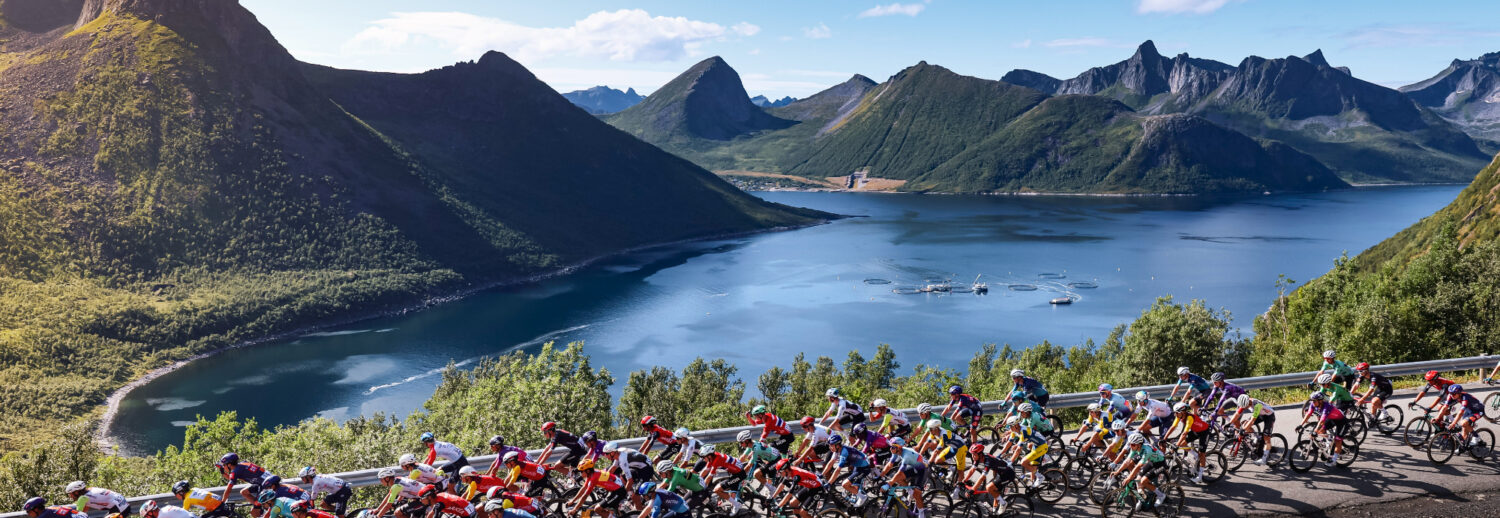
Some of the most remarkable chapters in cycling history are written beyond the Arctic Circle. It’s here, in Nordland County, that 108 riders will line up on 13 August for the start of the 13th edition of the Arctic Race of Norway. The peloton will tackle a 698.9-kilometre route through landscapes few other sporting events can match, taking place in wild islands, picturesque beaches, fjords and breathtaking peaks. The world’s northernmost professional cycling race will explore one of Europe’s most spectacular regions: the Vesterålen archipelago, including the islands of Langøya, Andøya and Hadseløya, where the Atlantic Ocean meets the Arctic under the midnight sun.Norway’s breathtaking scenery has helped shape the race’s visual and sporting identity since its creation in 2013. The 2026 edition will be no exception. The start from Evenes to Myre, travelling between the sea and the first mountain slopes, will be followed by a second stage from Bø I Vesterålen to Andenes, featuring a coastal route that passes the famous Bleik Beach, facing out towards the ocean. The third day, from Stokmarknes to the Storheia Summit, will be the queen stage, crossing the wild island of Hadseløya before the final ascent – a 3.5-kilometre climb averaging more than 11%, nicknamed as the “Norwegian Mont Ventoux”. On Sunday, the finish line will be set in Narvik, at the foot of the slopes that will host the 2029 FIS Alpine World Ski Championships, following a decisive 2.3-kilometre climb averaging 8.6%. The sporting outcome promises to be unpredictable and spectacular.
Writing your name into Nordic cycling mythology
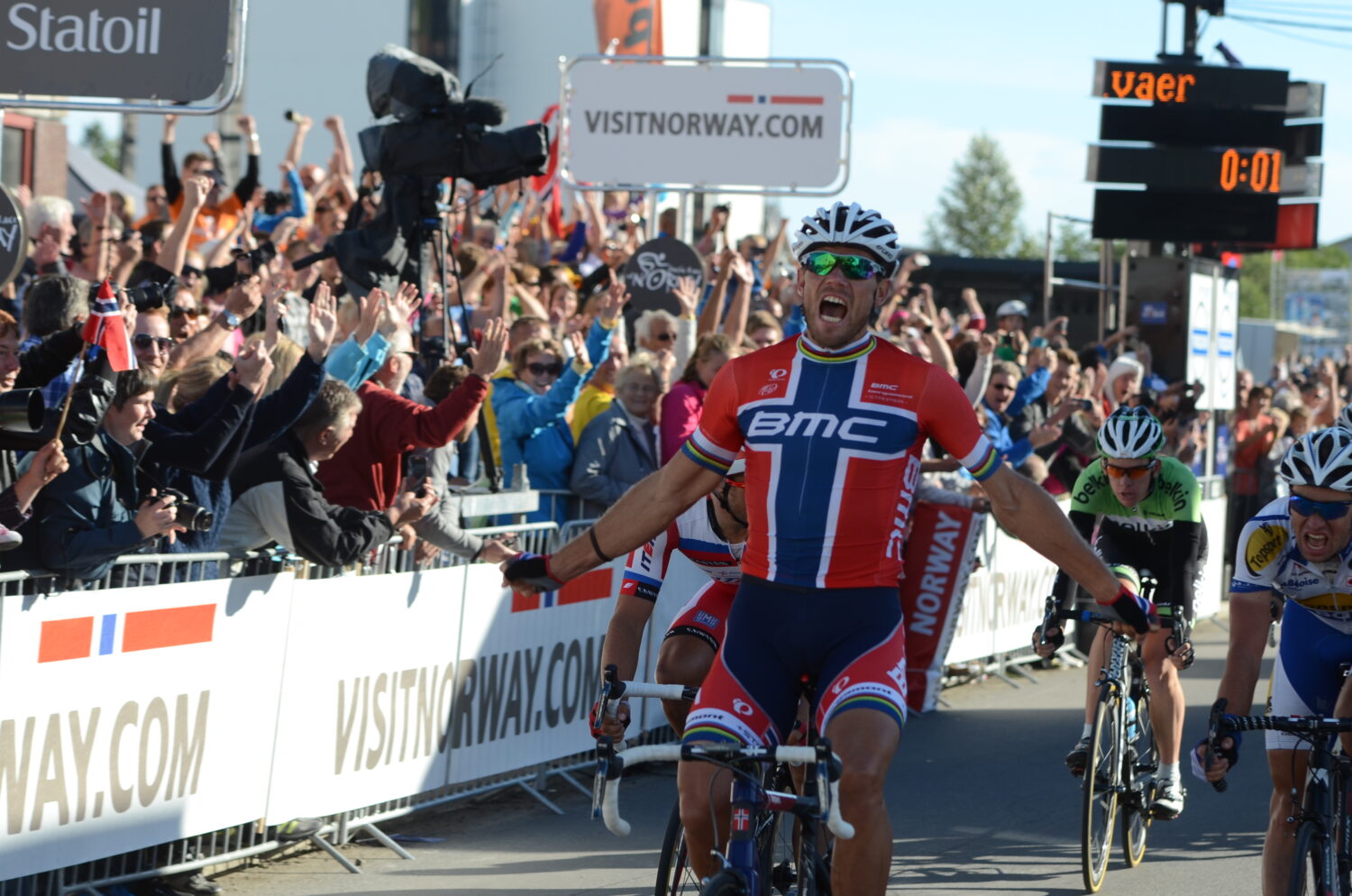
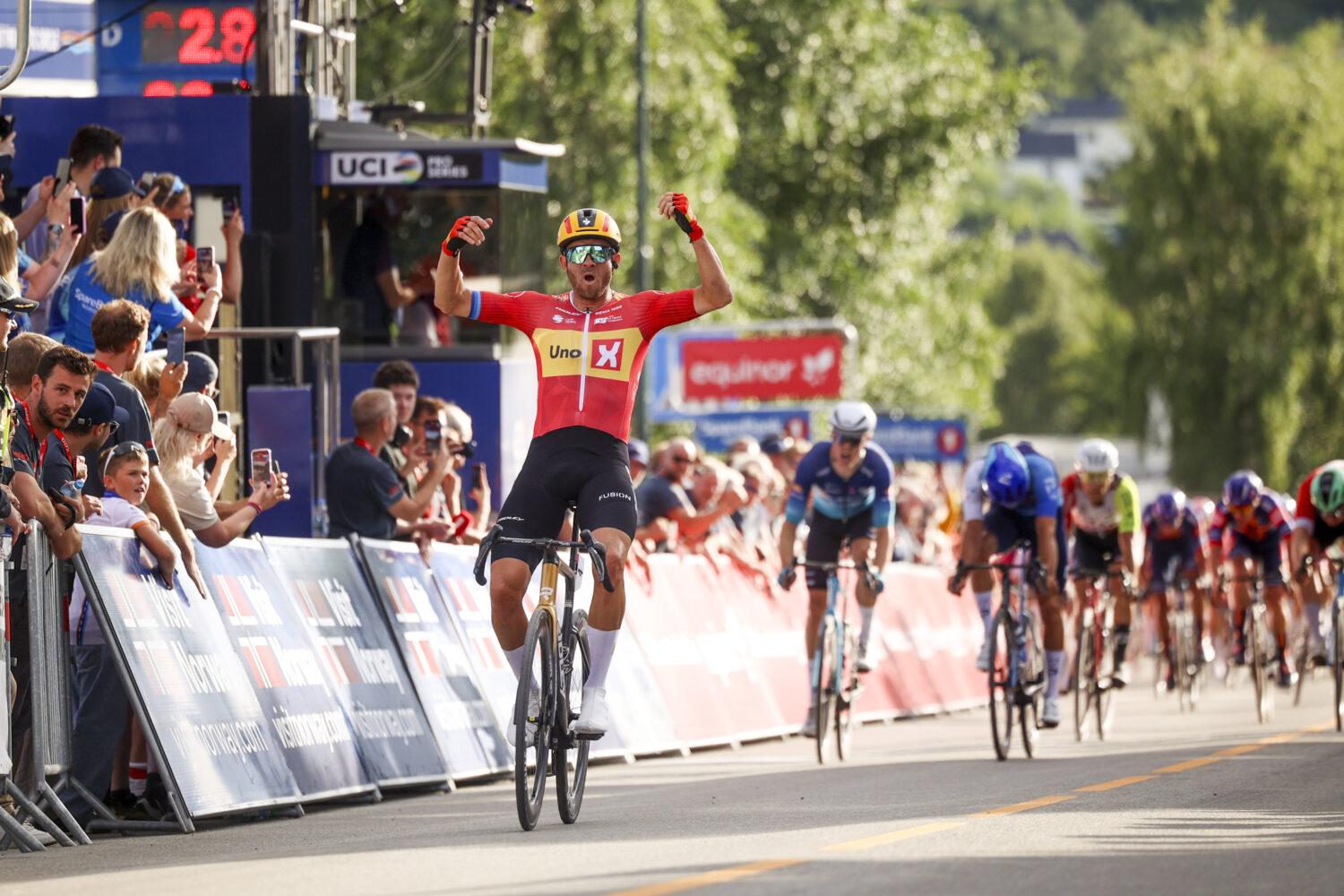
The Arctic Race of Norway’s unique characteristics have shaped its identity and written its history. Every rider has the opportunity to etch their name into a book whose pages are turned by the Arctic winds. The race’s very first winner was none other than Thor Hushovd, former world champion and an icon of Norwegian cycling. It was a powerful debut that immediately established the event as a race to be reckoned with. Since then, its winners’ list has grown to include names that resonate throughout the peloton.Local hero Alexander Kristoff holds the record for stage victories (eight). Mathieu van der Poel, Magnus Cort, Alexey Lutsenko and Tom Pidcock, among others, have also left their mark on the race. New Zealand’s Corbin Strong is the defending champion, but a new name will soon join him. Guillermo Thomas Silva, Felix Engelhardt, Lennert Van Eetvelt and Odd Christian Eiking are among the riders looking to secure their place in Arctic Race history.
A 100% electric fleet: a world first
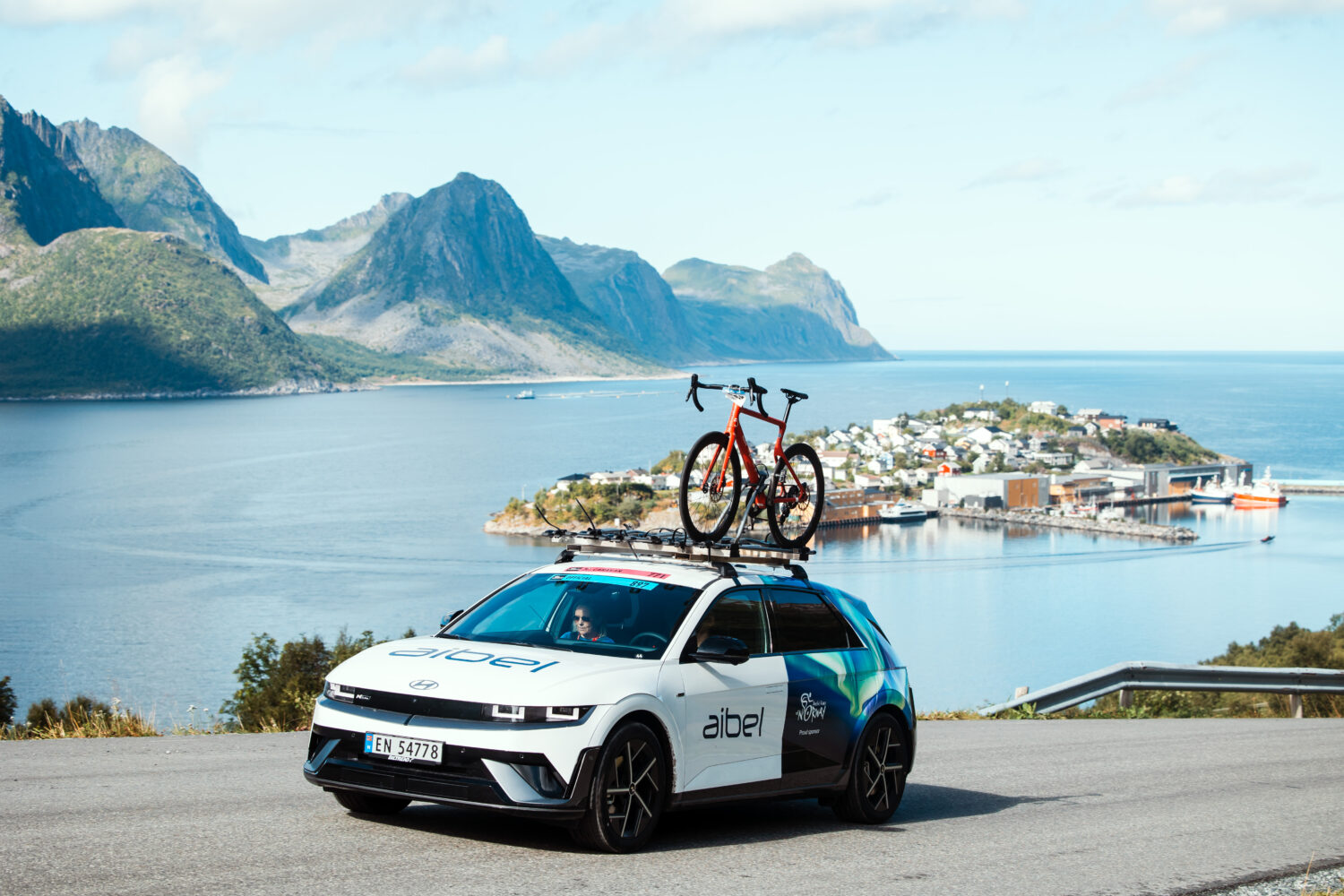
Since 2023, the Arctic Race of Norway has been the world’s first cycling race to be powered entirely by Hyundai electric vehicles. A fleet of 125 vehicles is made available to the organisation’s staff and cycling teams, covering the entire race while significantly reducing emissions associated with the event convoy. Kempower, the race’s official electric charging partner, supports this commitment by deploying the infrastructure required to recharge the entire fleet, with the assistance of Nordkraft as the energy supplier. It’s a bold choice that is entirely consistent with the race’s exceptional natural surroundings, reinforcing its position as a benchmark for the ecological transition in professional sport.Thanks to this commitment, the Arctic Race of Norway has been certified by Eco-Lighthouse since 2021. It is the most widely recognized environmental certification in the country, recognizing and certifying eco-responsible initiatives, particularly those aimed at reducing environmental impact.
Much more than a race: a deeply rooted social commitment
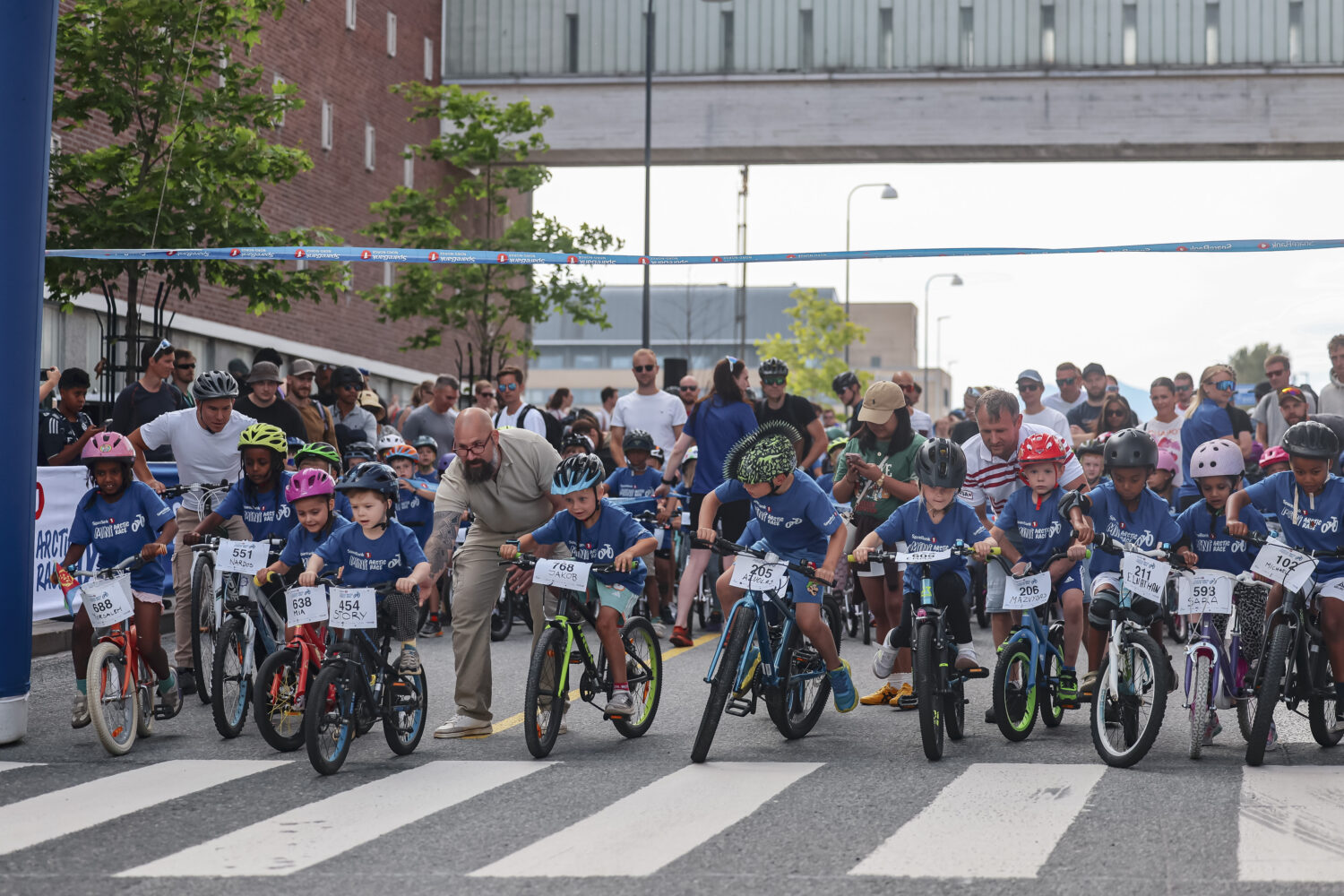
The Arctic Race of Norway is a true “folkefest”, one of Norway’s great popular celebrations. It is an experience to be enjoyed both on and off the bike, as well as a powerful platform for promoting and developing the region. Every year, up to 150,000 spectators line the roads to celebrate the passing of the peloton, creating a festive atmosphere fuelled by the hospitality and creativity of Norway’s Far North. The race is accompanied by a wide programme of activities – including a race village, promotional caravan, conferences and local celebrations — transforming each host town into a stage in its own right.The event is also designed to bring people together and encourage active lifestyles through initiatives aimed at the wider public. Since 2013, the SNN Mini Arctic Race – a free cycling race organised by SpareBank 1 Nord-Norge alongside the event – has given more than 18,000 children the opportunity to take part in over 45 races, inspiring new generations and creating lasting memories from an early age. The Polar Kraft Sprint running race is another of the many initiatives and activities organised in partnership with local sports clubs.
On the social front, the race works with partners such as Bufetat to promote foster families, Idretten Skaper Sjanser to support the inclusion of people experiencing social exclusion, and NAV to highlight local employment opportunities. The Arctic Race of Norway also serves as a genuine platform for economic and regional cooperation, having generated more than one billion Norwegian kroner in economic impact since 2013. It also hosts business and sports conferences and supports the Norwegian Air Ambulance in raising awareness of access to emergency healthcare in the remote areas of northern Norway.
TEASER 2026 : https://dai.ly/xat9s16