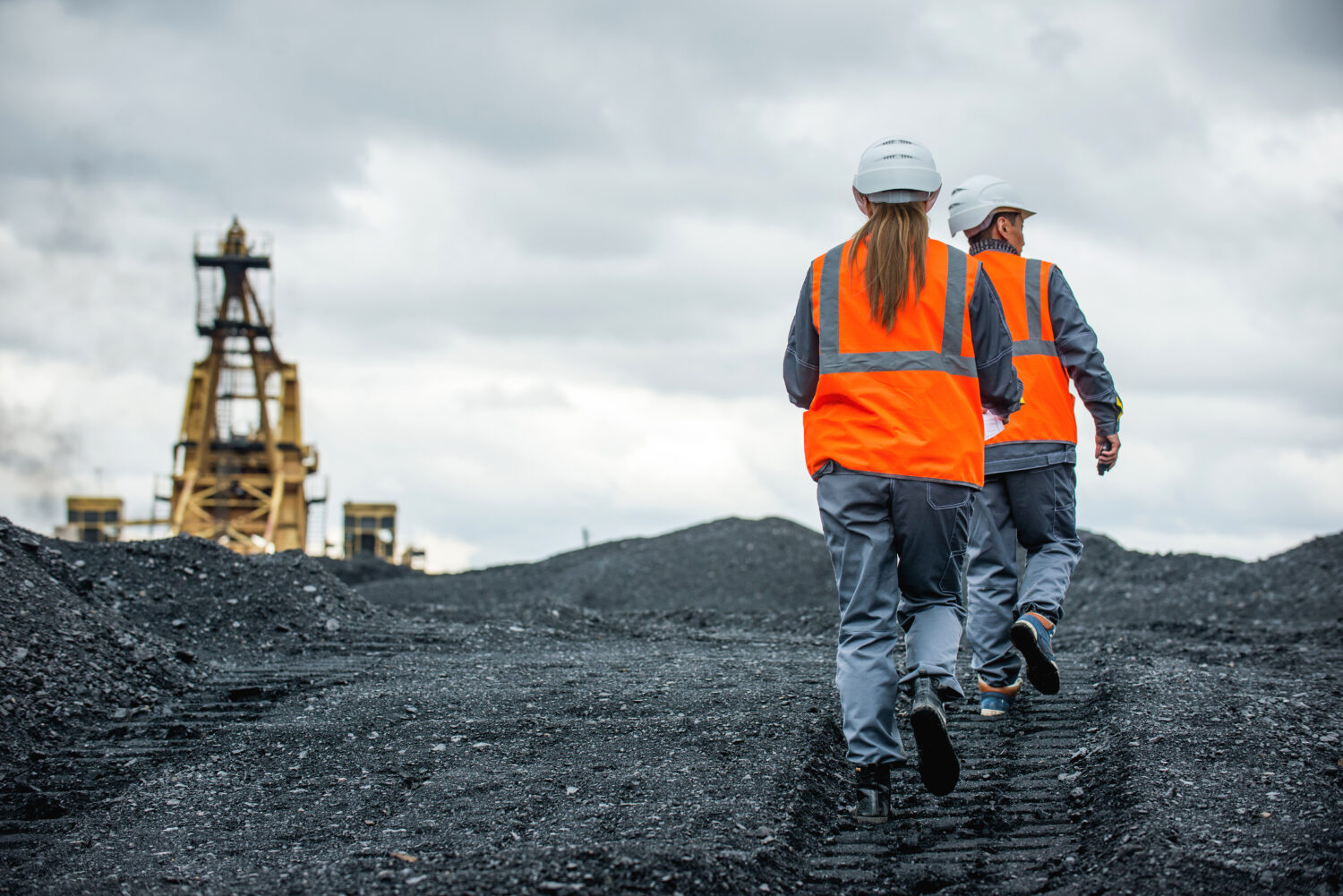
The European coal sector has been in constant decline in the past decades. EU cohesion policy funds were available to support the socio-economic and energy transition of coal regions: for the 2014-2020 period, about 12.5 billion euros were provided to the seven audited coal regions. Although production has been significantly reduced, coal combustion was still responsible for 15 % of EU greenhouse gas emissions in 2019. The recent EU Green Deal identified the phase-out of coal as essential for meeting 2030 climate targets and achieving climate neutrality by 2050. The Just Transition Fund created in June 2021 makes 19.3 billion euros available over the 2021-2027 period to regions and sectors most affected by the transition towards climate neutrality.
“The Just Transition Fund, a key component of the EU Green Deal, provides significant additional resources to coal regions”, said Nikolaos Milionis, the ECA member responsible for the audit. “The European Commission should make sure that EU money supports a clear pathway for making the transition away from coal, taking into account tensions on the energy market following Russia’s invasion of Ukraine.”
The reduction in coal production inevitably led to a drop in the number of workers in the sector. In some regions, such as Lausitz (Germany) and Silesia (Poland), staff reductions were achieved through natural fluctuations and retirement, while in other regions such as Moravia-Silesia (Czech Republic), coal-mining companies had to lay off staff. EU-funded training was available to laid-off coal workers, but the lack of data on their participation meant that the auditors could not determine whether this helped them find new jobs. Nor did the auditors observe any significant impact on renewable energy production capacity in the regions they examined. EU-funded investments in energy savings also had a modest impact or could not be quantified.
Before proposing the Just Transition Fund targeting the most affected regions and sectors, the European Commission did not carry out a proper analysis of the achievements of previous EU funding in these regions, or of their remaining needs. In particular, the auditors stress the risk that funding could be spent without the transition taking place. The limited timeframe of the programme amplifies this risk, as most funds need to be committed by the end of 2023 and used by the end of 2026. Russia’s invasion of Ukraine in 2022, and its effects on the energy market, may also result in delays in the transition away from coal.
Lastly, the auditors observed that, in some EU countries, domestic coal had been replaced by imports or offset by other fossil fuels. Germany and Poland, for instance, have significantly increased their coal imports in the last 15 years. As a result, coal remains a significant source of greenhouse gas emissions, notably in Poland, the Czech Republic, Bulgaria, Germany, Slovenia and Romania. The auditors also found that insufficient attention had been paid to methane emissions from closed or abandoned coal mines.
EU support for coal regions achieved little for climate transition
Press release -
Published on wednesday 9th november 2022 at 17h01
EU financial assistance for coal regions has had a limited impact on both jobs and the energy transition, says a report published today by the European Court of Auditors. Despite overall progress, coal remains a significant source of greenhouse gas emissions in several EU countries. The auditors therefore call for the new Just Transition Fund to be used effectively and efficiently to alleviate the socio-economic impact on coal regions of the EU’s transition towards climate neutrality.
Share this article on social networks
Background information
This audit provides an insight into the role of EU funds in the socio-economic and energy transition in regions where the coal industry has been in decline. The ‘socio-economic and energy transition’ of a coal region refers to the process of re-focusing the economy to replace jobs lost because of the phase-out of coal, make energy savings and switch to energy sources that are compatible with EU climate objectives.
Special report 22/2022, “EU support to coal regions – Limited focus on socio-economic and energy transition”, is available on the ECA website (eca.europa.eu).
Contact
Create your account for free to access the MediaConnect communicators contacts
Let's go!Media
Login to
download this media
ECAHorLogoColourOutlineMasterEnglishEnglish-png
ECA logo
ORIGINAL SIZE : 1712x778px (52,73 Ko)
Login to
download this media
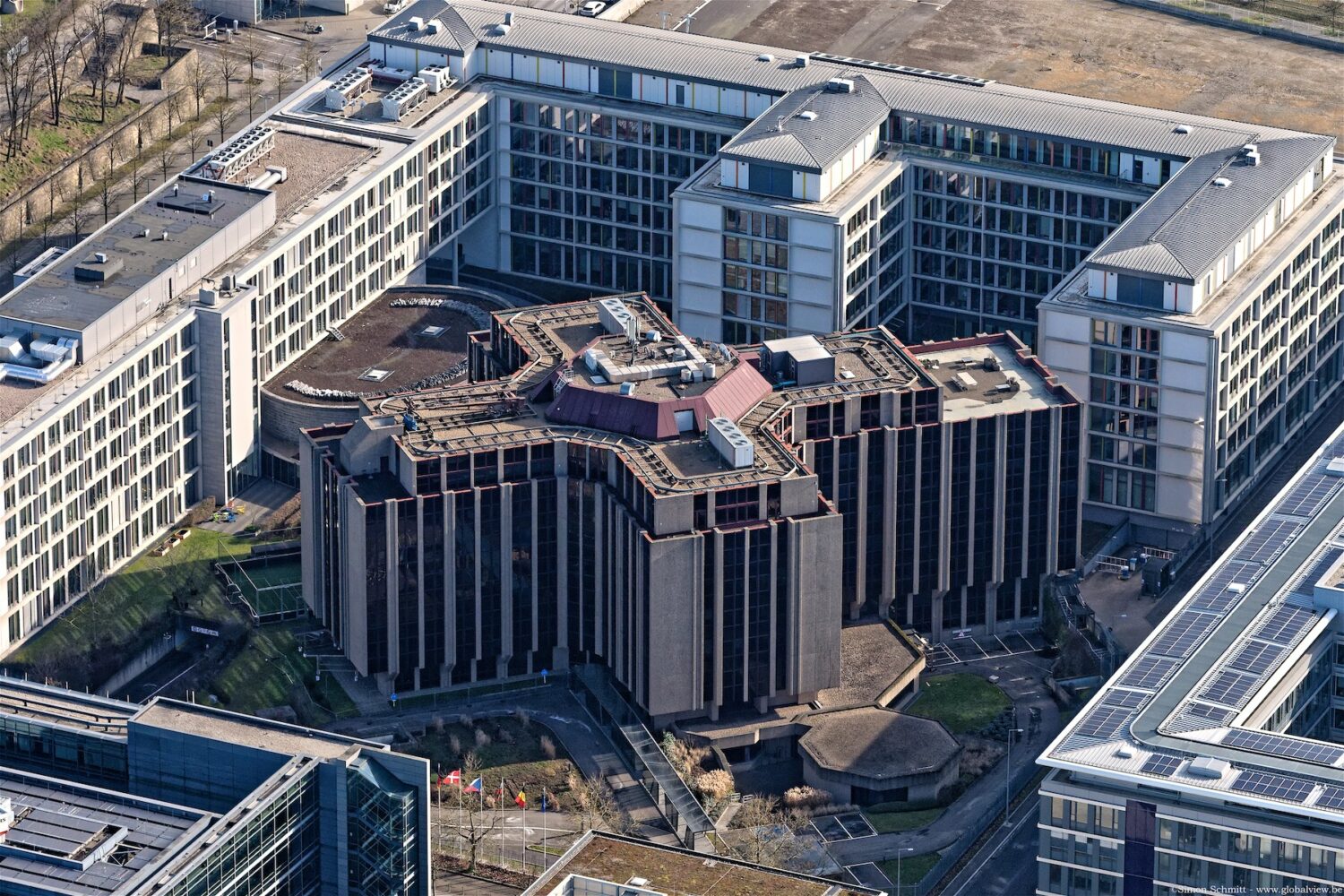
ECA EUROPA 12 Fev- 2022Schmitt-GlobalViewLowRes-1-jpg
ECA Building
ORIGINAL SIZE : 1800x1200px (921,96 Ko)

Login to
download this media
ECA Member Nikolaos Milionis-jpg
ECA Member Nikolaos Milionis
ORIGINAL SIZE : 2133x2560px (3,17 Mo)