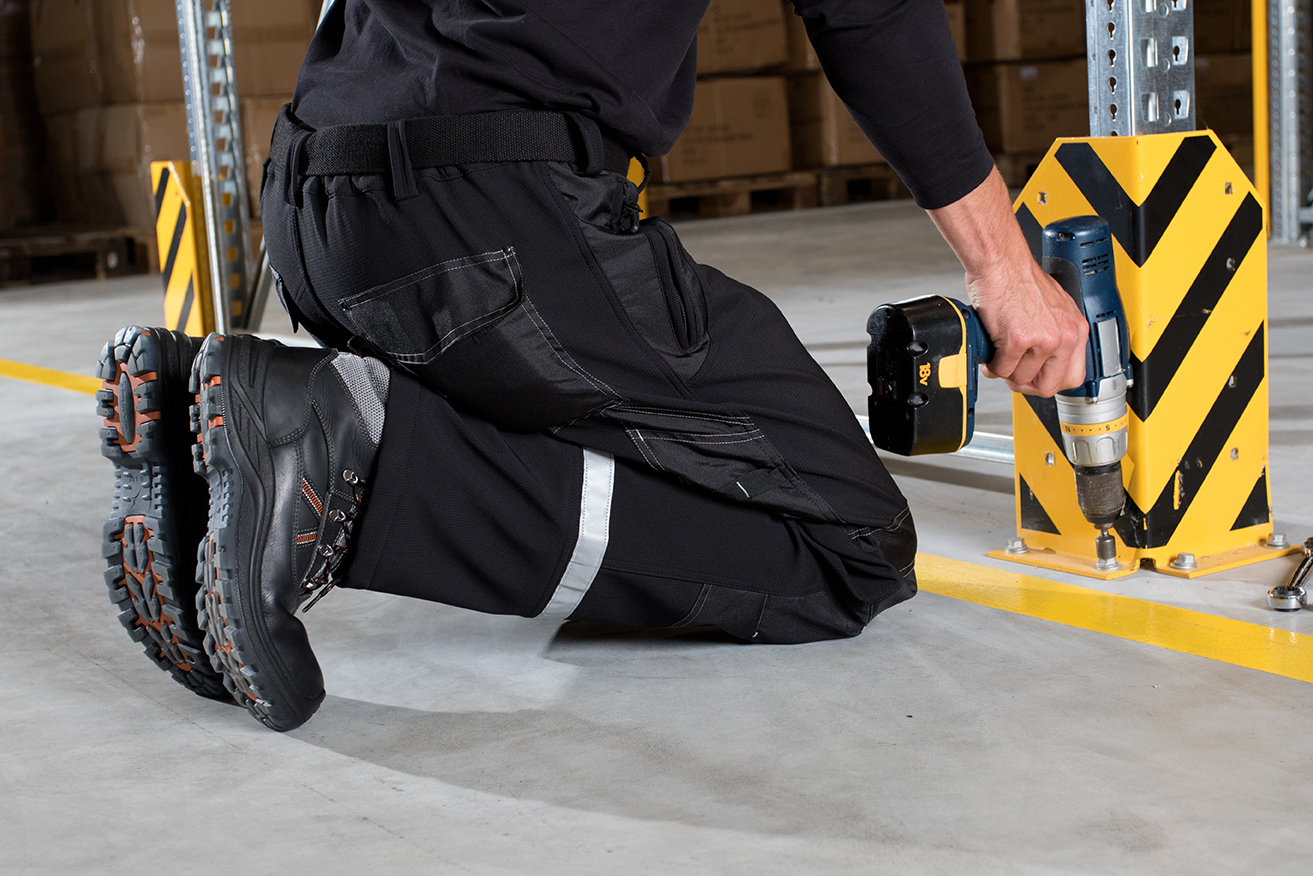
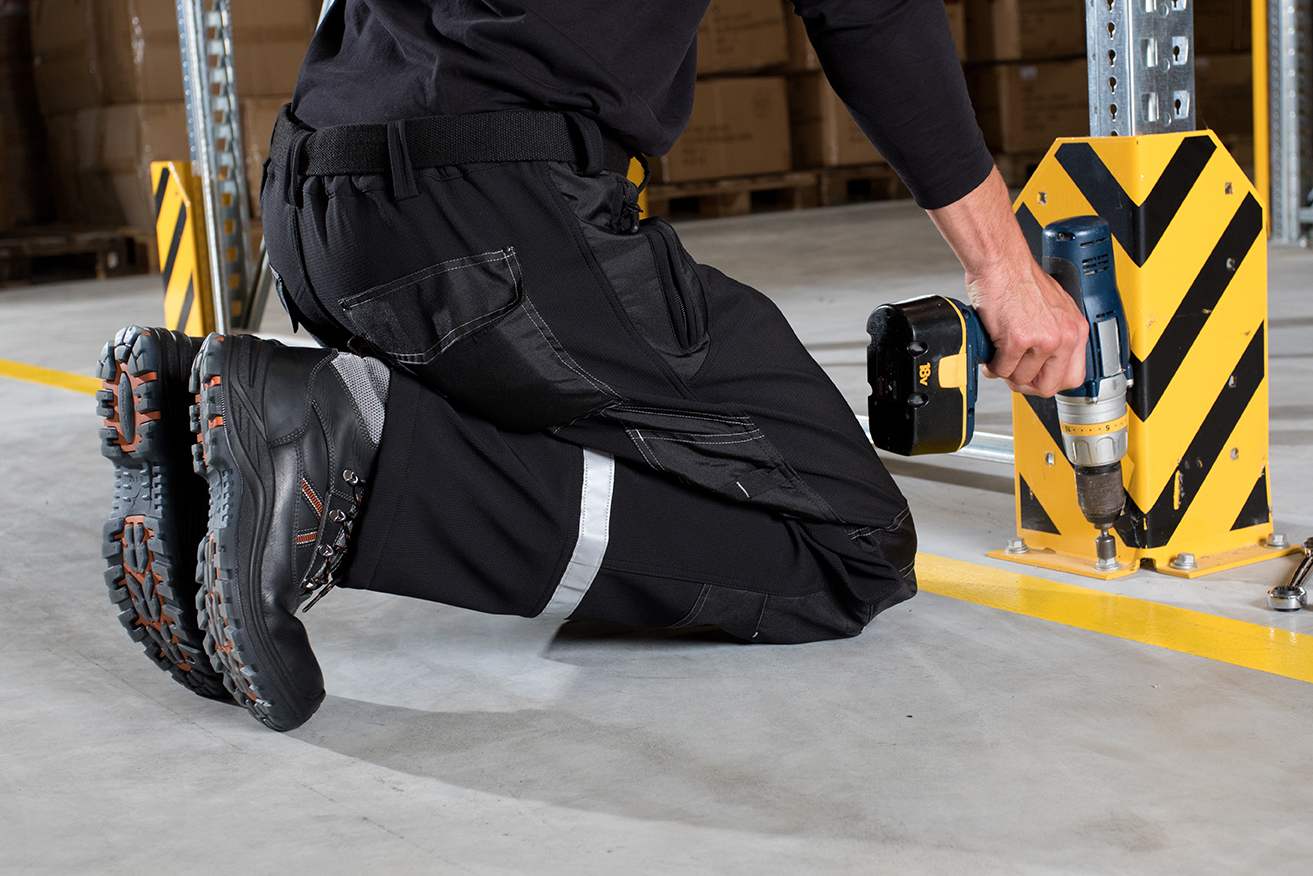
The main failure points were poor anti-static properties and resistance to impact and perforation. Separately, formal and documentary deficiencies were also identified. These included: missing, unclear or non-compliant instructions for use; missing or incorrect protection category or EU Declaration of Conformity; and non-affixed or non-indelible CE marking.
Actions taken
Market surveillance authorities (MSAs) had 24 models banned from sale or withdrawn from the market, 15 economic operators received warnings and fines, and 4 models were recalled. In addition, some online marketplaces were instructed to remove the products concerned from their platforms. Six models were already brought into conformity as a result of this investigation.
In one case, an economic operator was fined EUR 7 000 for shoes that did not have the protective features that were claimed in the promotional material. The economic operator was instructed to remove the product from the website.
Eight countries
MSAs sampled the 83 pairs in 8 countries: Cyprus, Germany, Luxembourg, Netherlands, Norway, Portugal, Spain and Sweden. 65 % of the products were bought online and 35 % in physical retail stores.
When both performance testing and documentary checks were combined, 82 % of the products were non-compliant.
Several findings pointed to problems in production consistency. Some shoes may pass certification as prototypes, but the production models available on the market fail. This appeared particularly relevant for anti-static failures and perforation resistance, where the way protective components are integrated into the finished shoe can affect performance.
What can you do?
For end users, the advice is clear: ensure the protection level fits the risks of the job, read the instructions for use and check that the shoes carry the CE marking. Also beware of vague or exaggerated marketing claims and check Safety Gate to verify that the product has not been identified as dangerous or recalled.
The results underline why manufacturers selling safety shoes in Europe must comply with Regulation (EU) 2016/425 on personal protective equipment. Economic operators may face product withdrawals, recalls, fines and liability claims.
They must ensure that markings, instructions and safety information are complete, accurate and available in the required national language(s). The product must identify and provide the contact details of a responsible economic operator in the EU/EEA.
EU-wide testing
The testing was done under the 2025 edition of the Joint Actions on Compliance of Products (JACOP) campaign in the EU and in EFTA countries. JACOP is a joint European market surveillance action that supports MSAs in checking whether products placed on their markets comply with EU regulations. The European Commission finances and coordinates this cooperation, helping MSAs share methods, compare findings and strengthen product safety enforcement across the single market.
“Market surveillance campaigns help to protect businesses from unfair competition and ensure that products sold on the single market are safe for consumers,” said DG GROW Policy Officer, Vanessa Capurso.
For more information, please contact: jacop2025@esn.eu