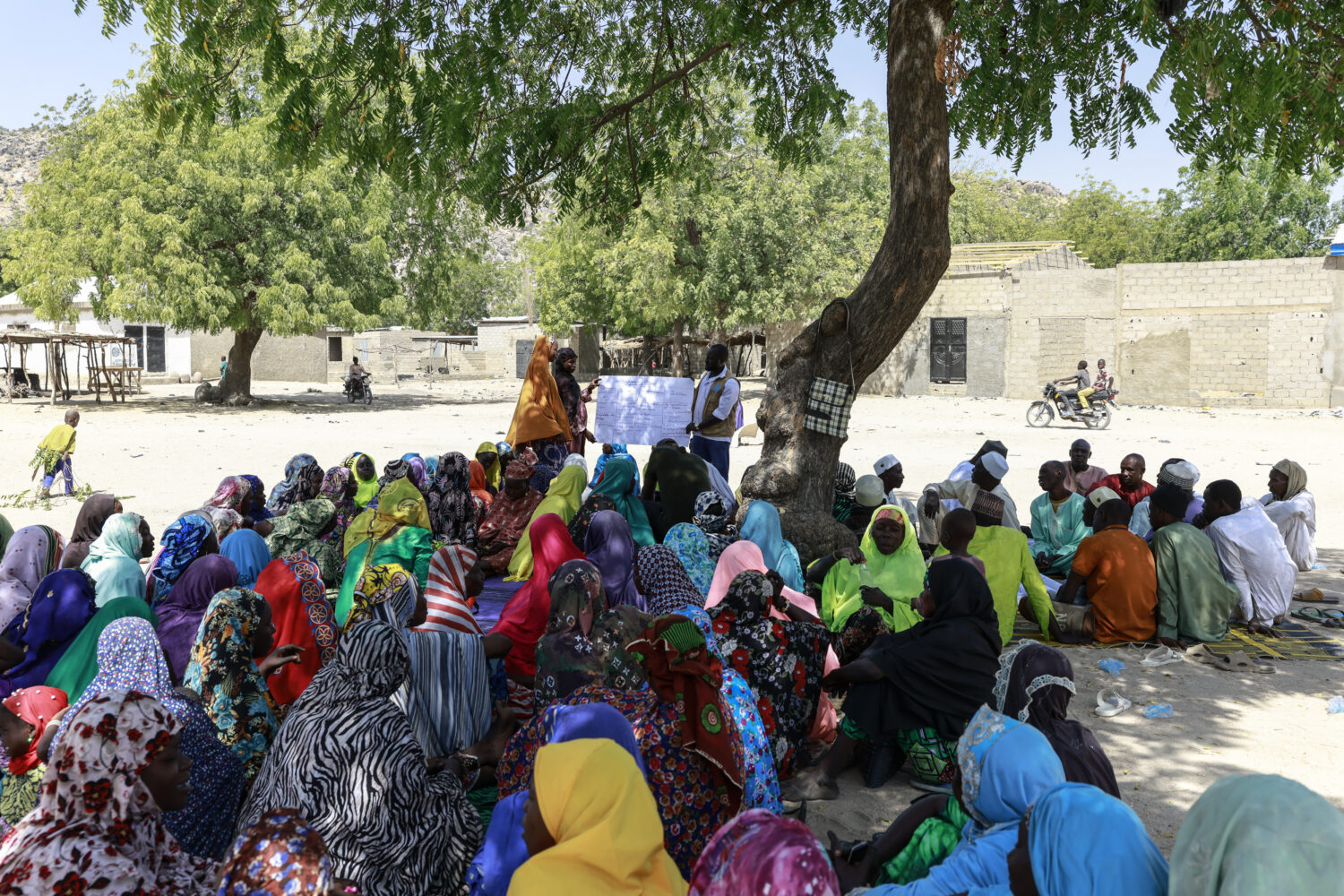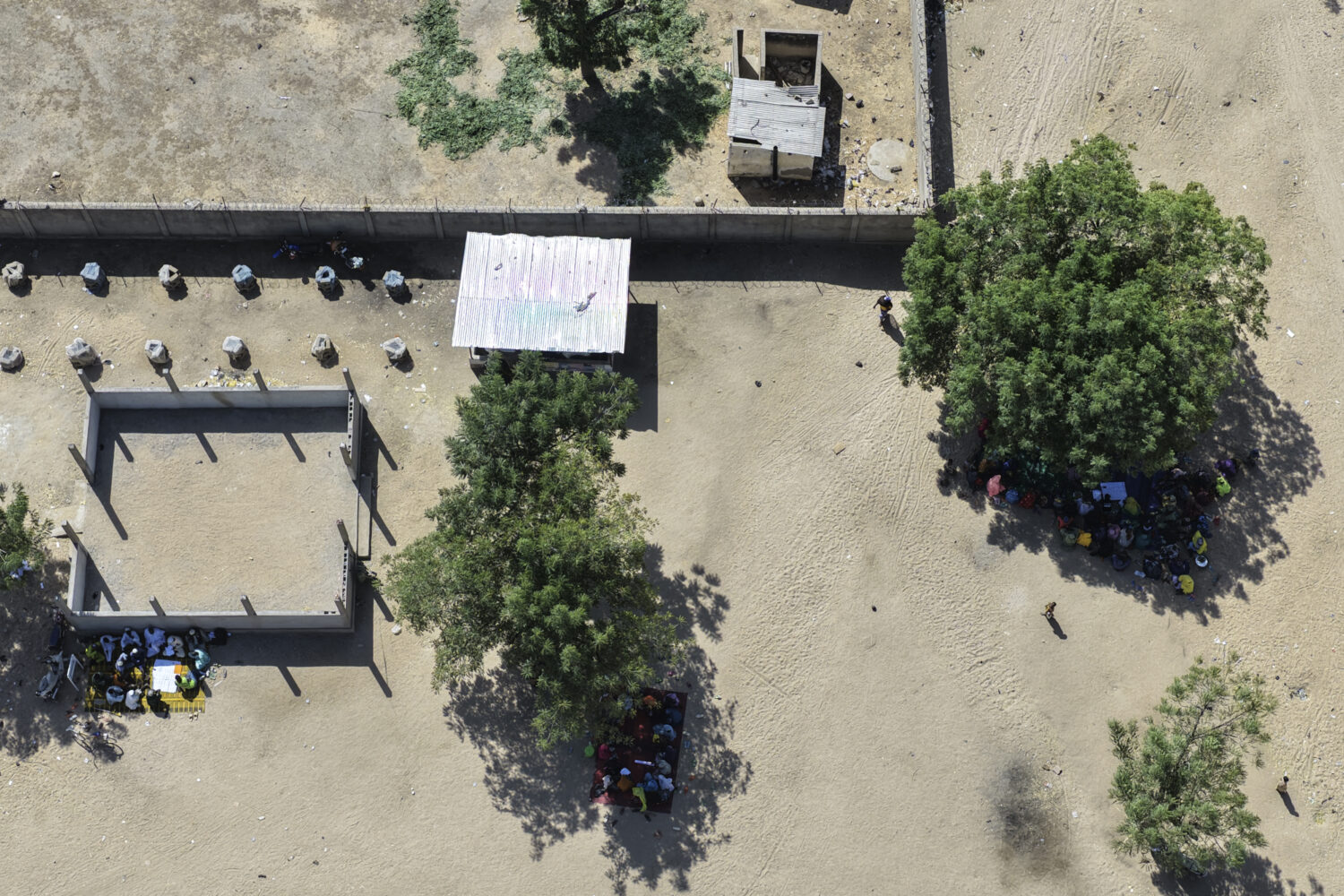
In the town of Mémé in Cameroon’s Far North, the guns are falling silent and peace is being built one life at a time. Funded by the European Union and implemented by IOM and UNICEF, the project is helping rehabilitate former members of armed militant groups: through community dialogue sessions, social cohesion activities and empowerment programmes for women and girls. For most people here, these initiatives are far more than support, they offer hope and a second chance.
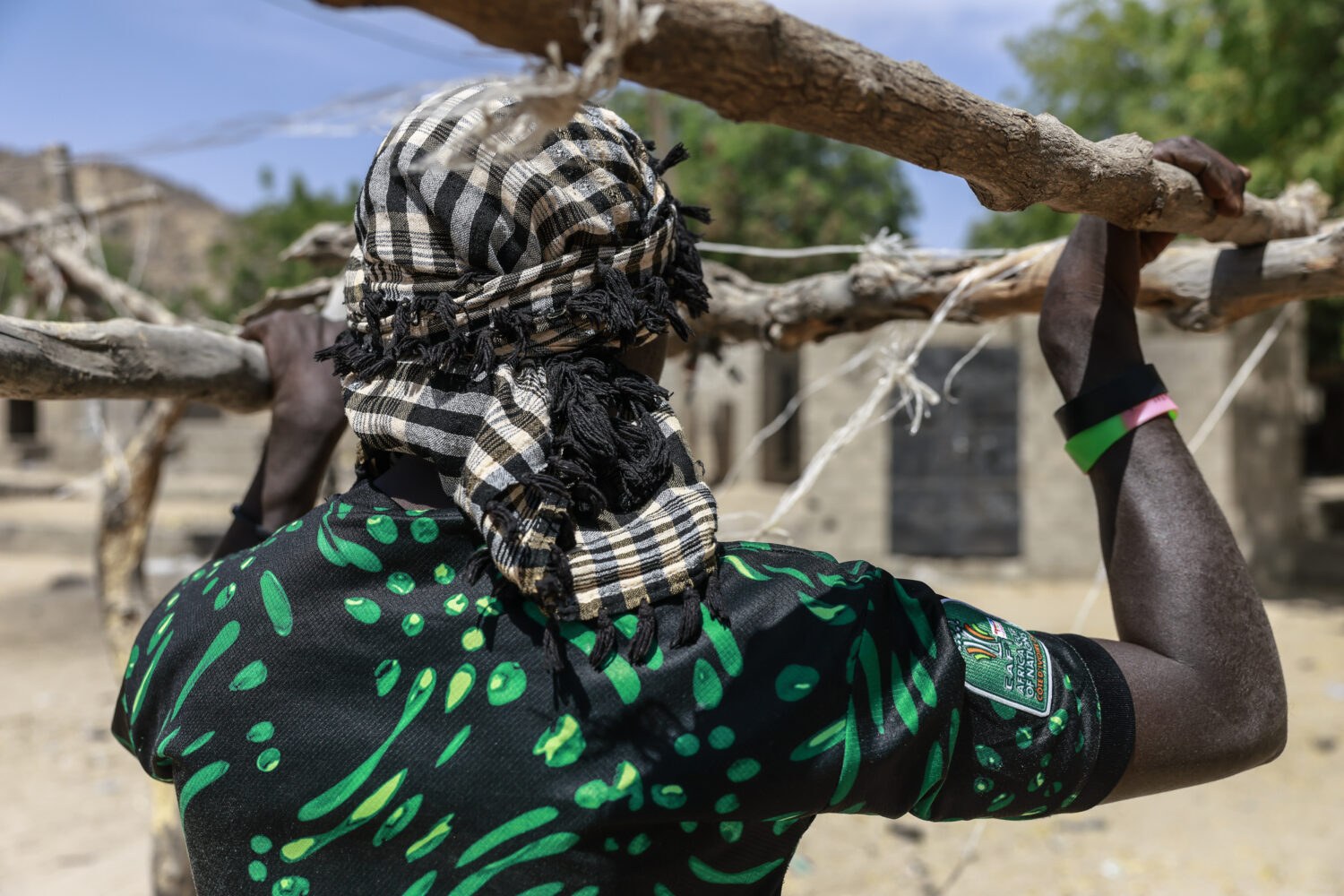
Originally from Kolofata, on the Nigerian border, 28-year-old Younoussa Matapa was a farmer. His life took a dramatic turn when he became close to a group of men who came to preach Islam in his neighbourhood.
“They spoke about religion, justice and brotherhood. The message resonated with me. I wanted to learn more,” he recalls.
One evening, he agreed to follow one of them. The journey led him into the Sambisa Forest in Nigeria, a stronghold of the Islamist terrorist group, Boko Haram. What was meant to be a simple meeting quickly became an engagement with the group.
The young man’s energy and enthusiasm caught the attention of the group’s leaders. After just two weeks, he was promoted and found himself in charge of 150 men. He participated in armed incursions, looting and fighting. As the years went by, doubt gradually set in.
“The religion they spoke about in the beginning was nowhere to be seen. I saw too much violence, too much barbarity,” he confides, avoiding eye contact.
After more than ten years in the group, he took the dangerous decision to flee, along with the men under his responsibility. Group leaders caught wind of his plan, but he did not change his mind.
After escaping, he stumbled upon a military patrol near Siraja, a town southeast of Maiduguri. He explained his situation to a soldier who facilitated his surrender.
He was first taken to the Gancé camp, then to Mora, where he stayed for four months before being transferred to the Disarmament, Demobilisation and Reintegration (DDR) Centre in Méri, where he stayed more than eight months. He was eventually transferred to Mémé, where his mother lives, for community reintegration.
The programme led by UNICEF and IOM with the support of the EU is changing lives. Community dialogue is organised with local leaders, young people and families. The population is encouraged to welcome former militants. Today, Younoussa walks freely around the neighbourhood. “I’m happy to have come back safe and sound. Now I can earn my daily bread for my mother, my wife and my children. The neighbourhood chief has even become my friend, we’re together all the time. The community has accepted me,” he explains.
At the centre, Younoussa also takes part in social cohesion activities and community work. “Today I work to earn a bit of money. I do small jobs within the community.”
At the same time, educational workshops are organised for women and young girls in Mémé: training, income-generating activities and peace awareness. These initiatives help prevent stigmatisation and rebuild social ties in communities weakened by years of violence and insecurity.
Across the Far North region, the initiative is already showing tangible results. More than 600 former associates are supported on their path to reintegration, while 1,350 children have been assisted through formal DDR mechanisms. Over 100 communities are now taking part in social cohesion activities, and women and girls are receiving dedicated support, including dignity kits and safer spaces. Together, these efforts are helping restore trust, rebuild community bonds and strengthen prospects for lasting peace
In this region, long marked by attacks and displaced populations, reintegration remains a major challenge. But community dialogue and social cohesion activities are gradually making peaceful coexistence possible. In Mémé, under the hot wind, reconciliation is being built, step by step, through success stories like Younoussa’s.
The pressroom
From the Sambisa Forest to Mémé Reintegration Centre: Younoussa Matapa’s second chance
From the Sambisa Forest to Mémé Reintegration Centre: Younoussa Matapa’s second chance
Press release -
Published on monday 23rd february 2026 at 11h00
Mémé, Cameroon - 2 March 2026
Share this article on social networks
Contact
Create your account for free to access the MediaConnect communicators contacts
Let's go!