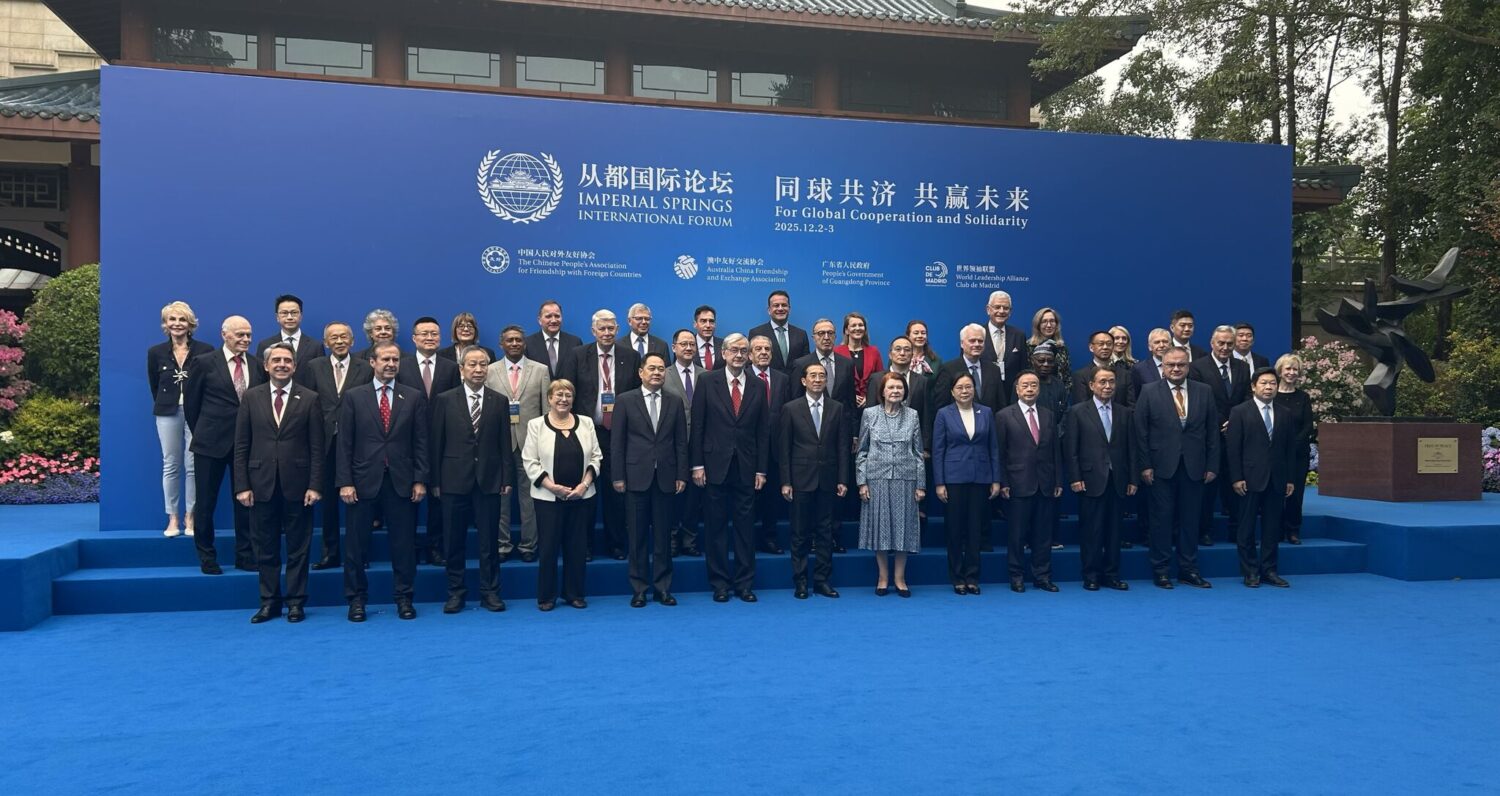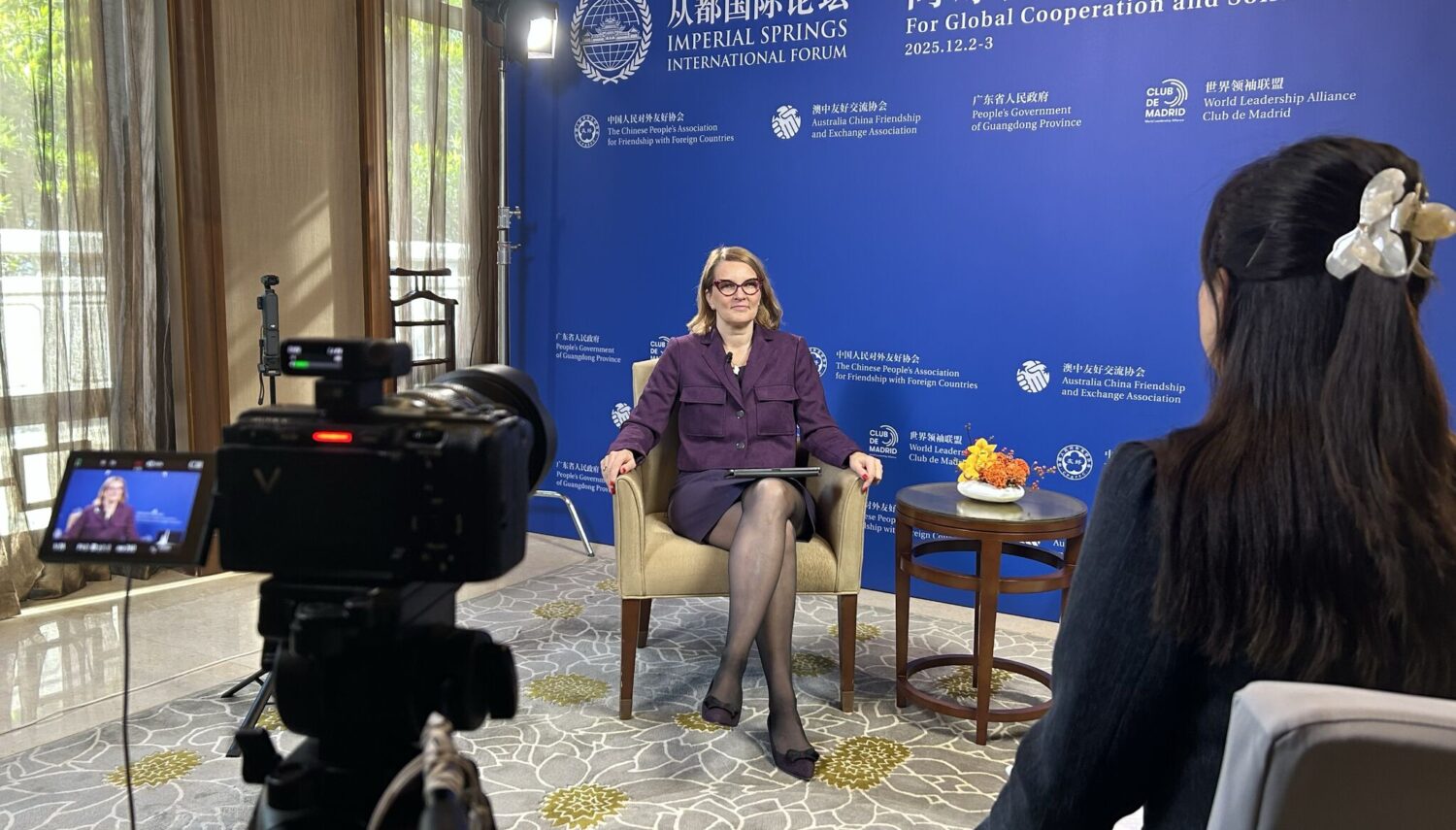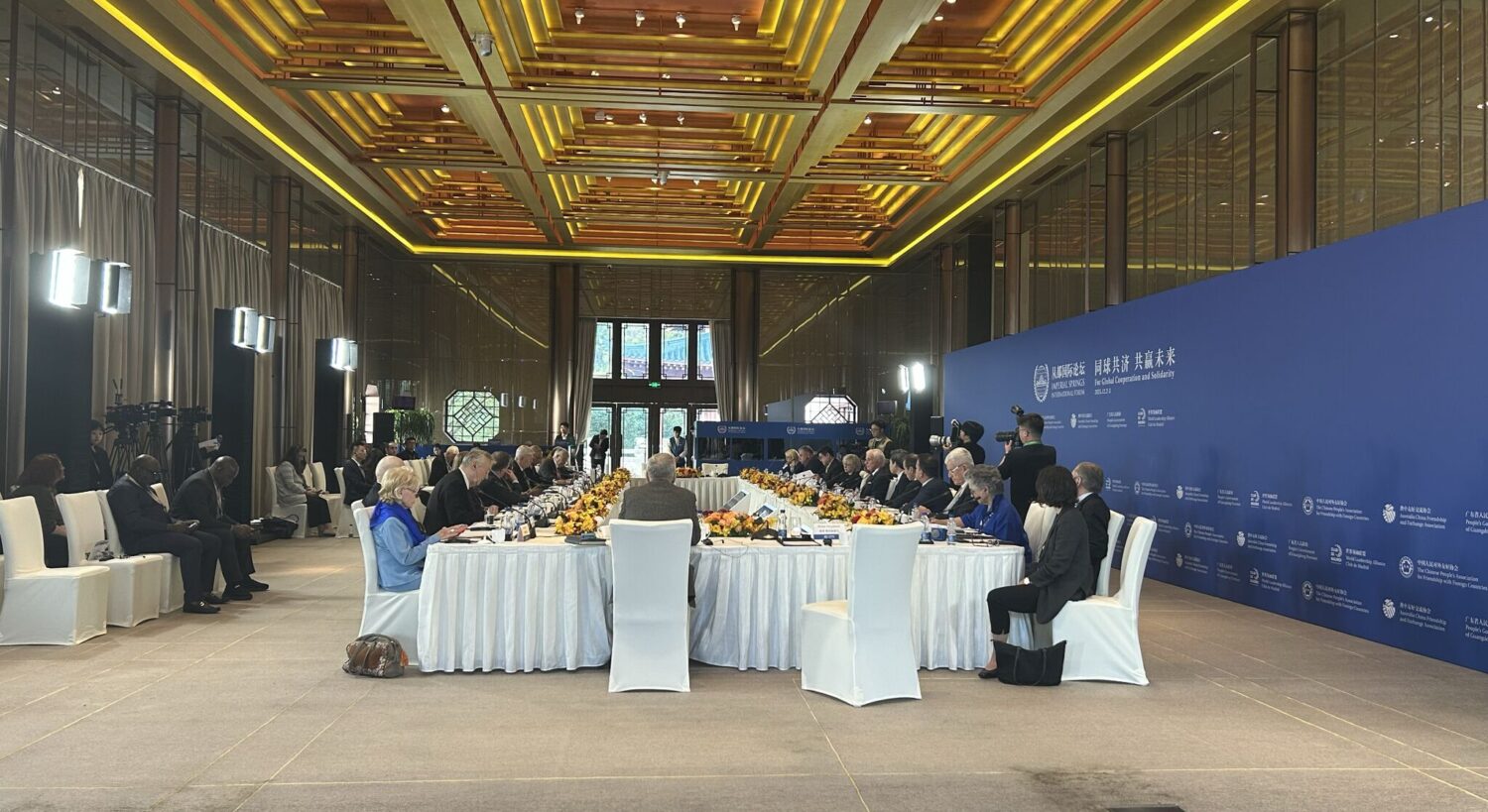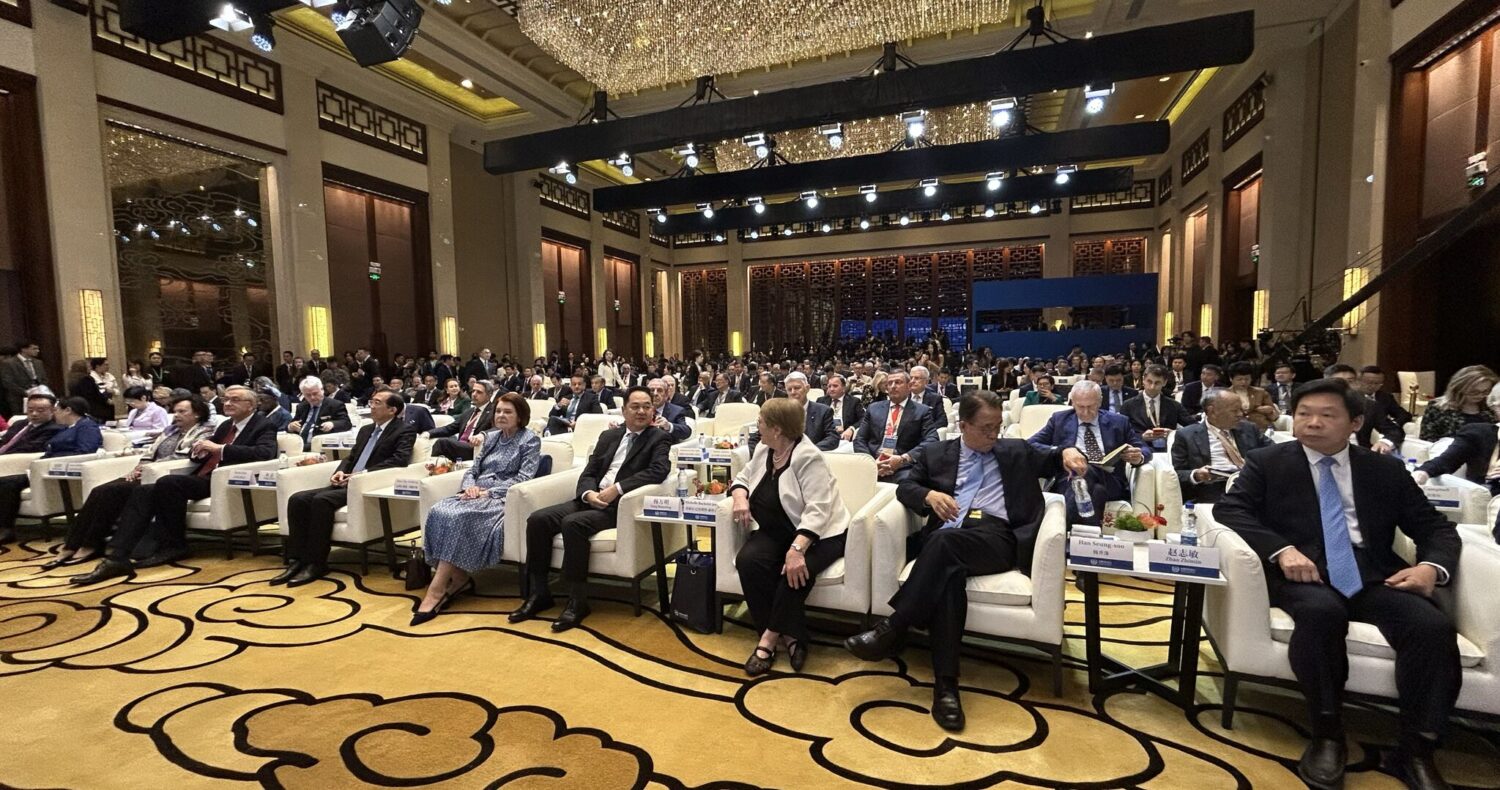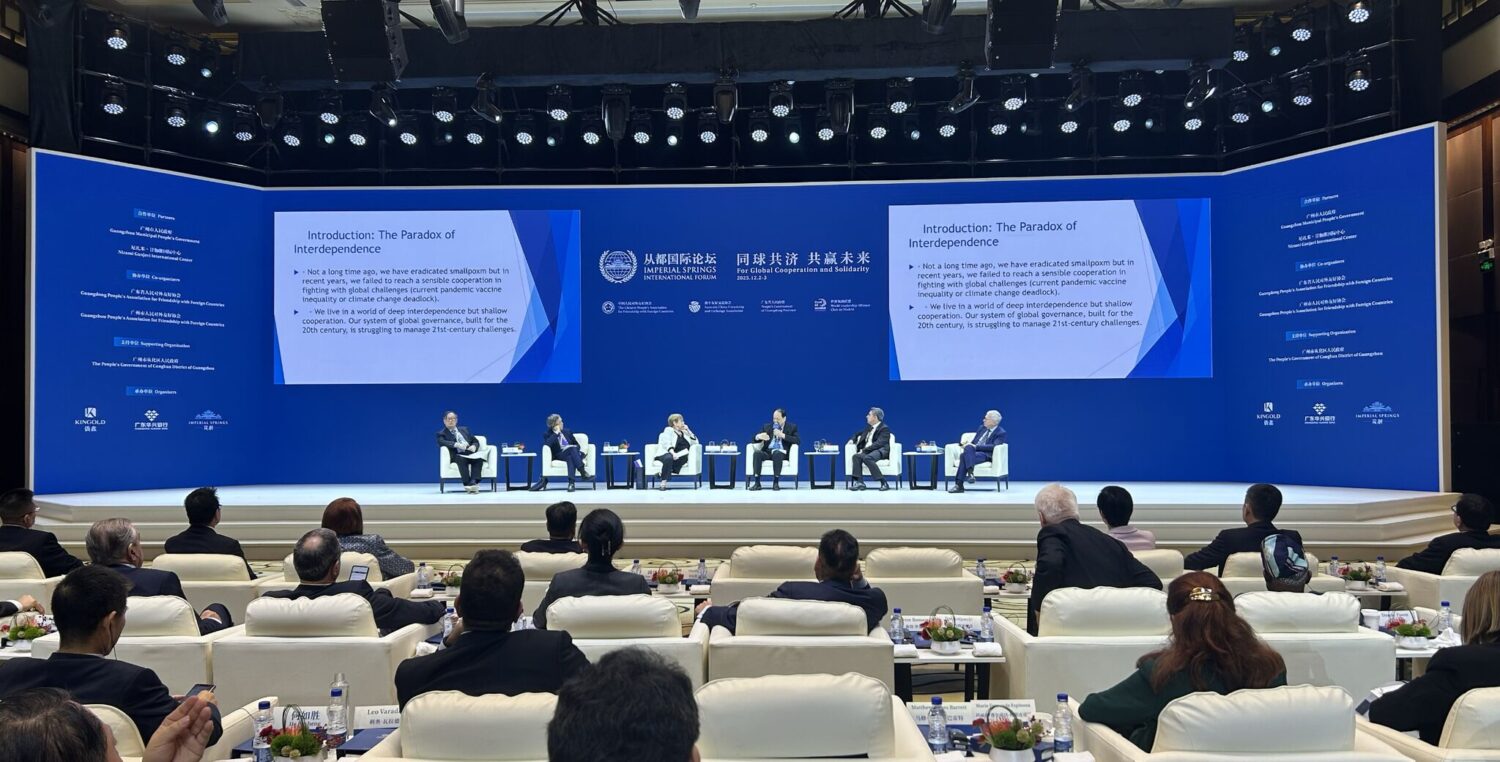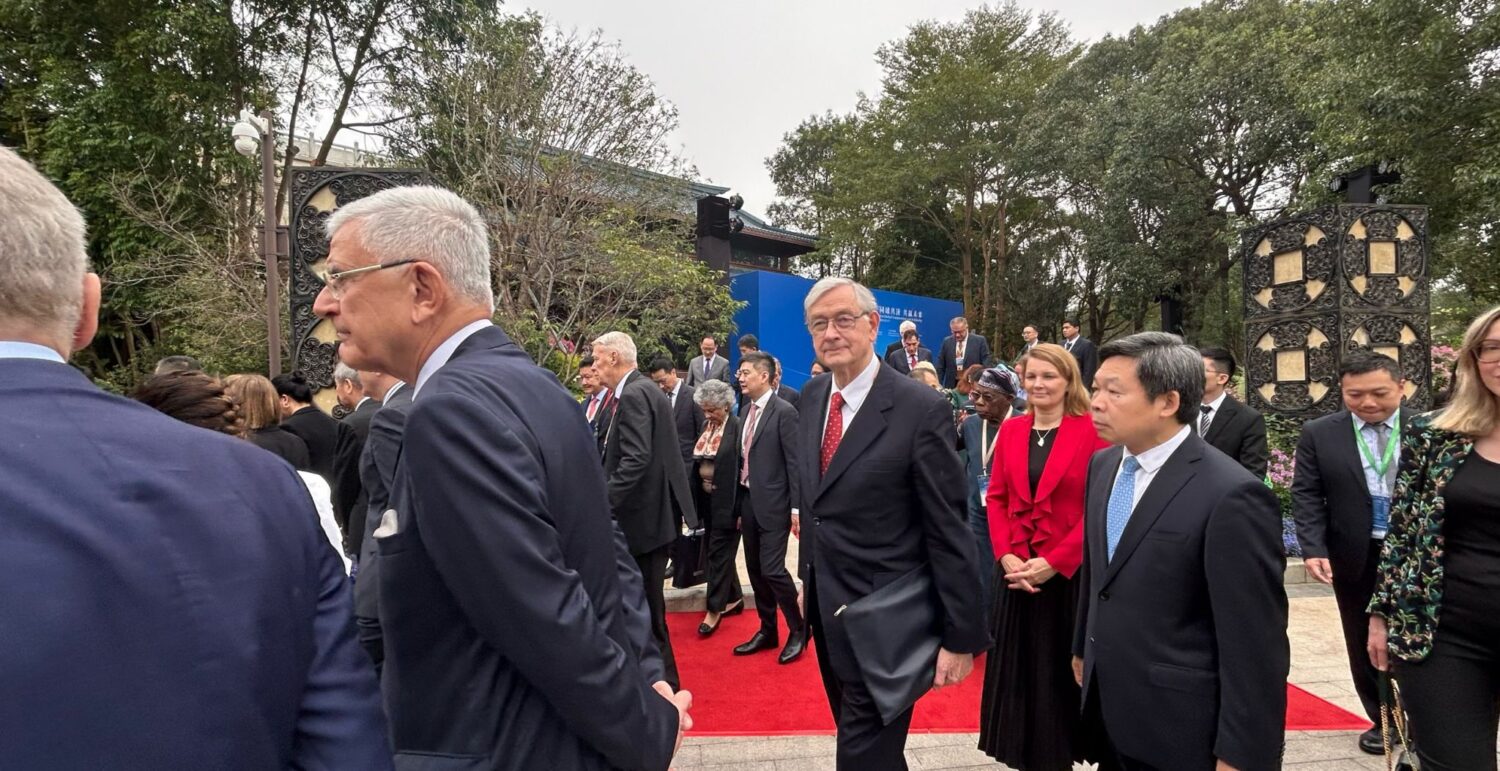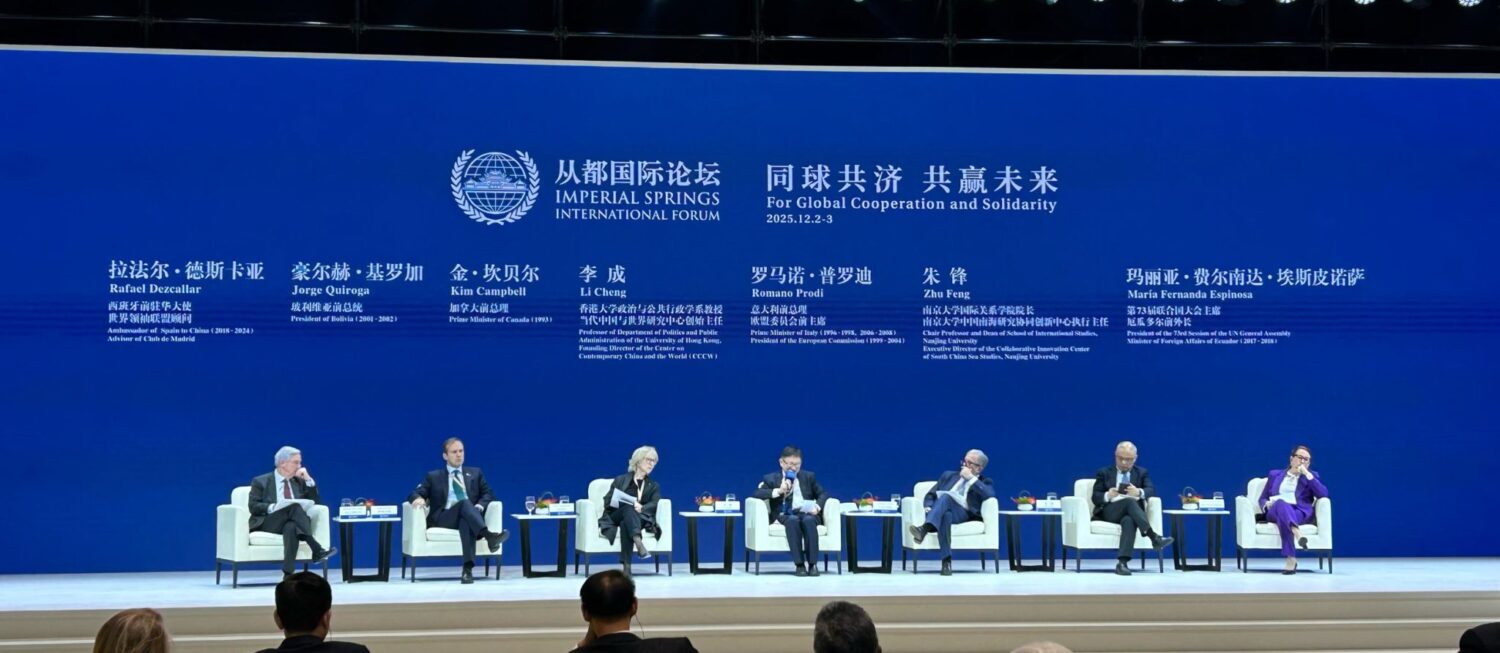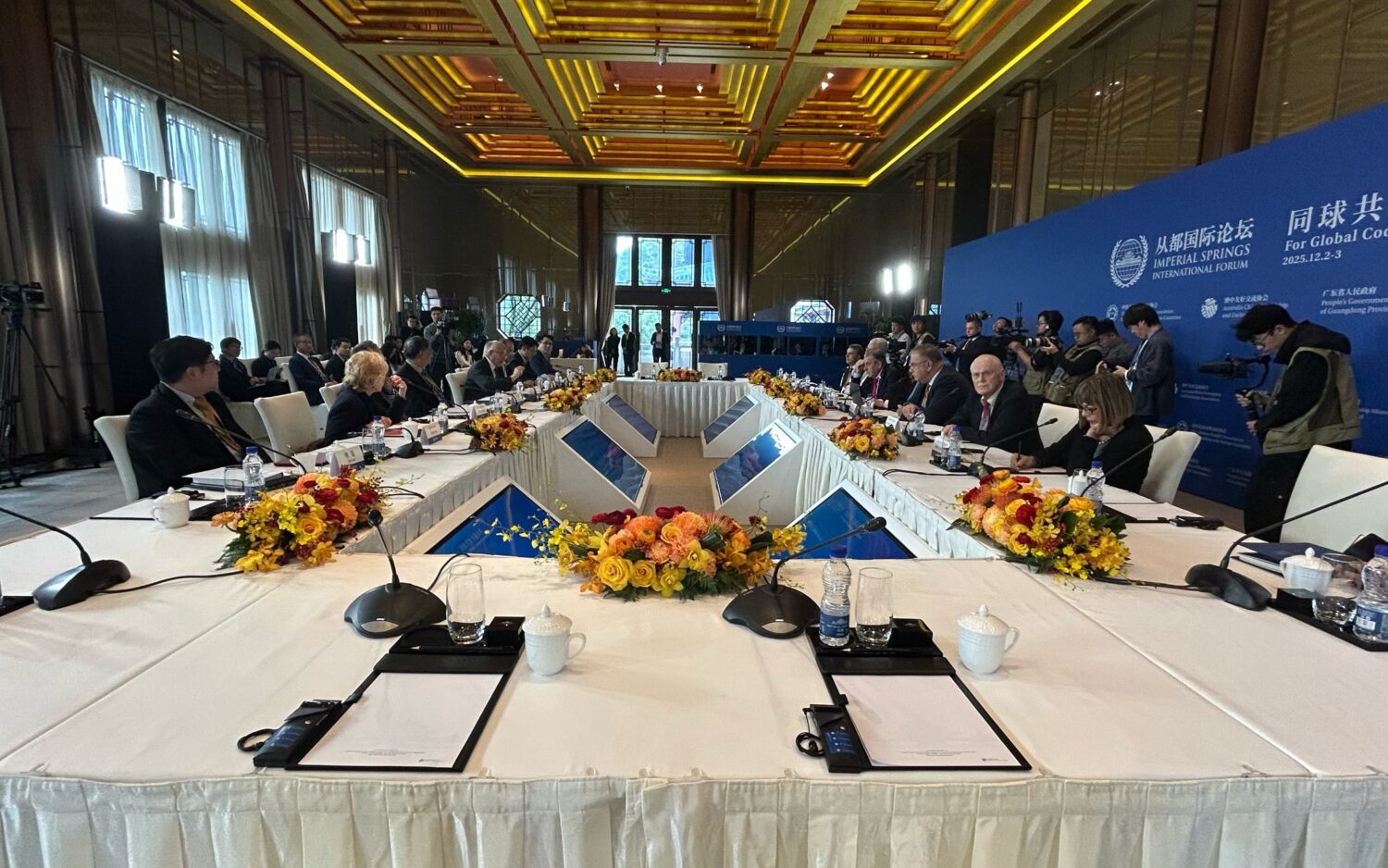
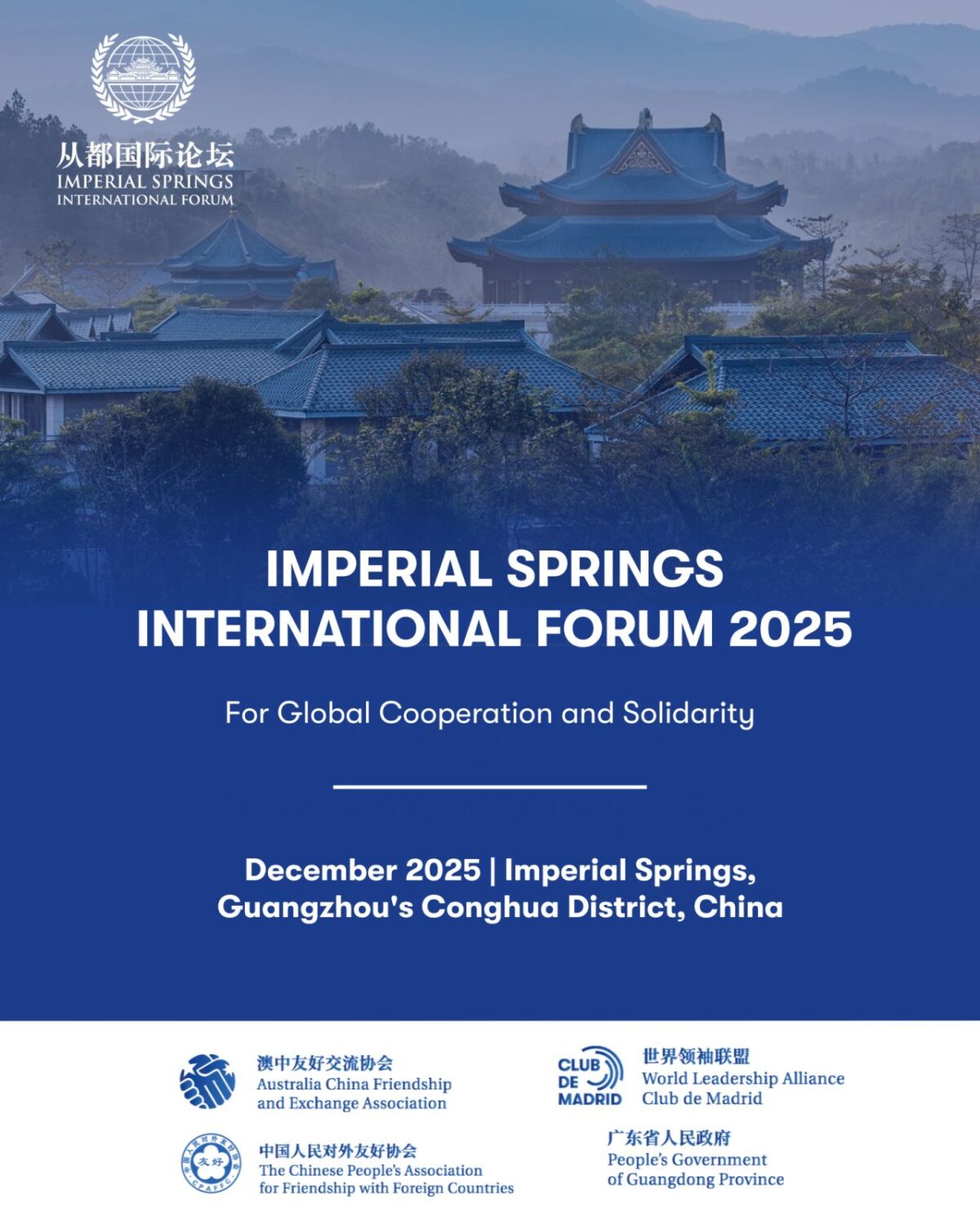
Guangzhou, 9 December 2025 – Under the theme “For Global Cooperation and Solidarity”, the 2025 ISIF closed on 3 December after two days of structured exchanges amongst democratic former Heads of State and Government, Chinese and international policymakers and experts. More than 60 leaders and experts from over 25 countries gathered in Guangzhou to advance shared solutions for a more stable and collaborativeglobal future.
Established in 2014 by the Australia China Friendship and Exchange Association, Club de Madrid, the Chinese People’s Association for Friendship with Foreign Countries, the People’s Government of Guangdong Province and the City of Guangzhou, ISIF has become a unique platform for substantive and forward-looking exchanges on pressing challenges to multilateralism. The2025 edition focused on global governance, security, trade, technology and sustainability, all critical elements of the multilateral system in the current context of fragmentation and mounting uncertainty. Participants warned of eroding strategic trust, rising geopolitical competition and heightened risks of miscalculation, stressing that preventing new crises and resolving existing ones requires renewed channels of dialogue grounded in international law. Discussions also explored how global governance institutions can improve legitimacy, responsiveness and inclusion, recognising the growing role of regional and cross-regional mechanisms in addressing complex global challenges.
Artificial Intelligence (AI) and other frontier technologies featured prominently, with participants calling for interoperable standards, shared safety principles and frameworks to prevent technological fragmentation. Ensuring that the deployment of AI strengthens inclusiveness, accountability and societal resilience was identified as an essential priority.
The governance and financing of global public goods —including issues such as climate stability, health security, digital infrastructure provision, ocean protection and financial resilience— emerged as another central area of consensus. Participants agreed that this is aconstructive narrative capable of uniting diverse actors around our common challenges, provided these are supported by predictable investment, shared responsibility and renewed multilateral coordination. This will be the central theme of Club de Madrid’s 2026 Annual Policy Dialogue when we will continue to issue in depth.
Deliberations on green and low-carbon development examined the geopolitical implications of the energy transition, emphasising the need for fair access to green technologies, sustainable finance and industrial upgrading. Debates around trade addressed tariff measures, industrial competition and supply-chain reconfiguration, with broad agreement on the need to stabilise the multilateral trading system, revitalise the core functions of the WTO and restore trade as a mechanism of cooperation rather than confrontation.
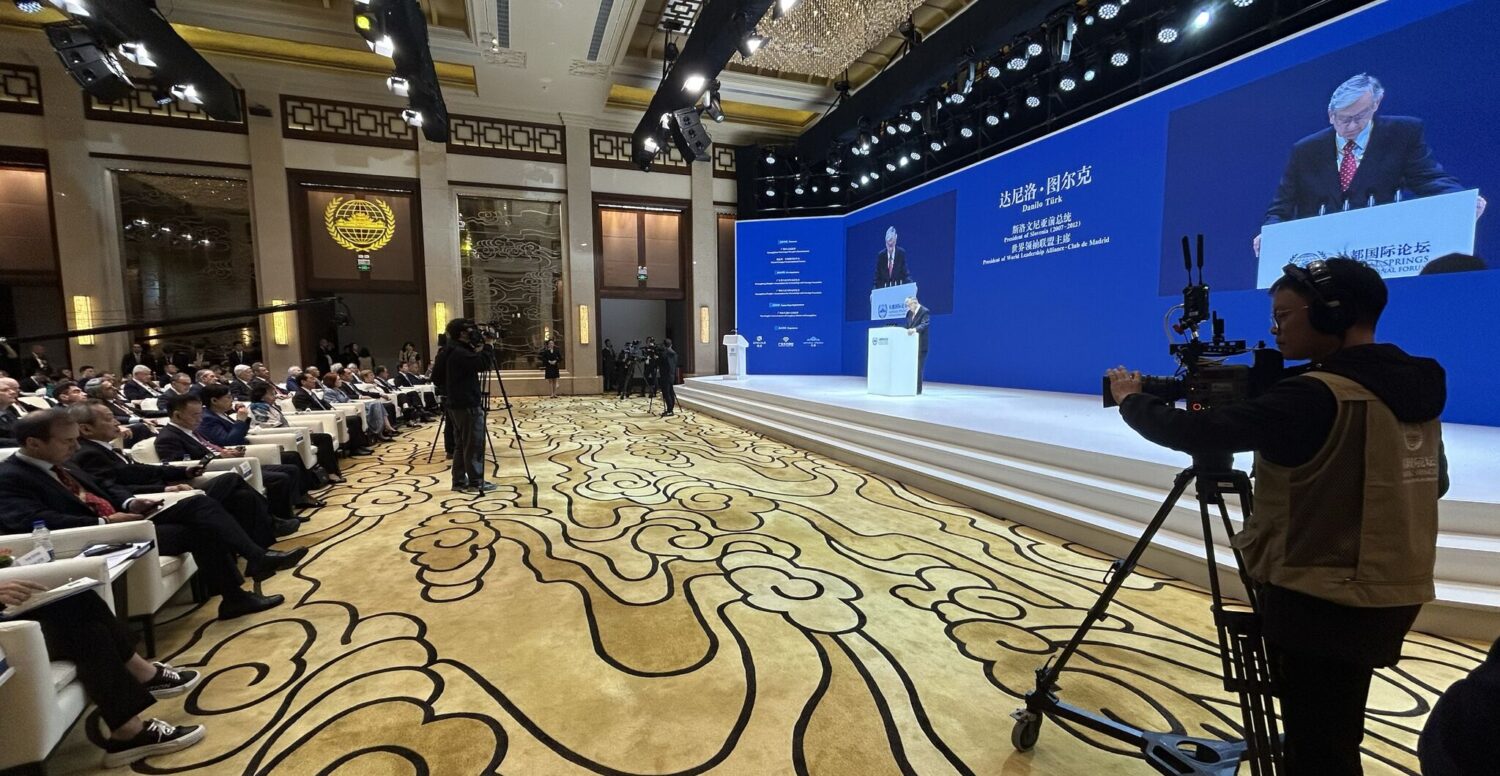
In his closing remarks, Danilo Türk, former President of Slovenia (2007–2012) and President of Club de Madrid, underscored that the world urgently needs spaces like ISIF where meaningful dialogue can take place despite existing divides. Global stability depends on reinforcing security and revitalising trade and cooperation as driversof shared prosperity. On his part, Dr Chau Chak Wing, President of the Australia–China Friendship and Exchange Association and Chair of the Asia-Pacific Region Club de Madrid President’s Circle, reflected on the Forum’s evolution, becoming a stable reference point for global dialogue. His continued commitment and vision were acknowledged and congratulated throughout the event.
ISIF 2025 successfully reaffirmed its ambition to serve as a bridge between China and the international community. As Türk noted, “The world needs constructive spaces such as ISIF. And ISIF, in turn, needs continuity, openness, and the commitment of all who support and participate in it.”
Further information:
ISIF 2025: https://clubmadrid.org/isif-2025/
ISIF initiative: https://clubmadrid.org/work/projects/dialogue-between-china-and-the-world/
Club de Madrid: www.clubmadrid.org
2026 Annual Policy Dialogue: https://clubmadrid.org/work/annual-policy-dialogues/2026/