[Japan, Hokkaido. 11 December, 2025]
A landscape organized around a single force
Everything starts with the mountain.
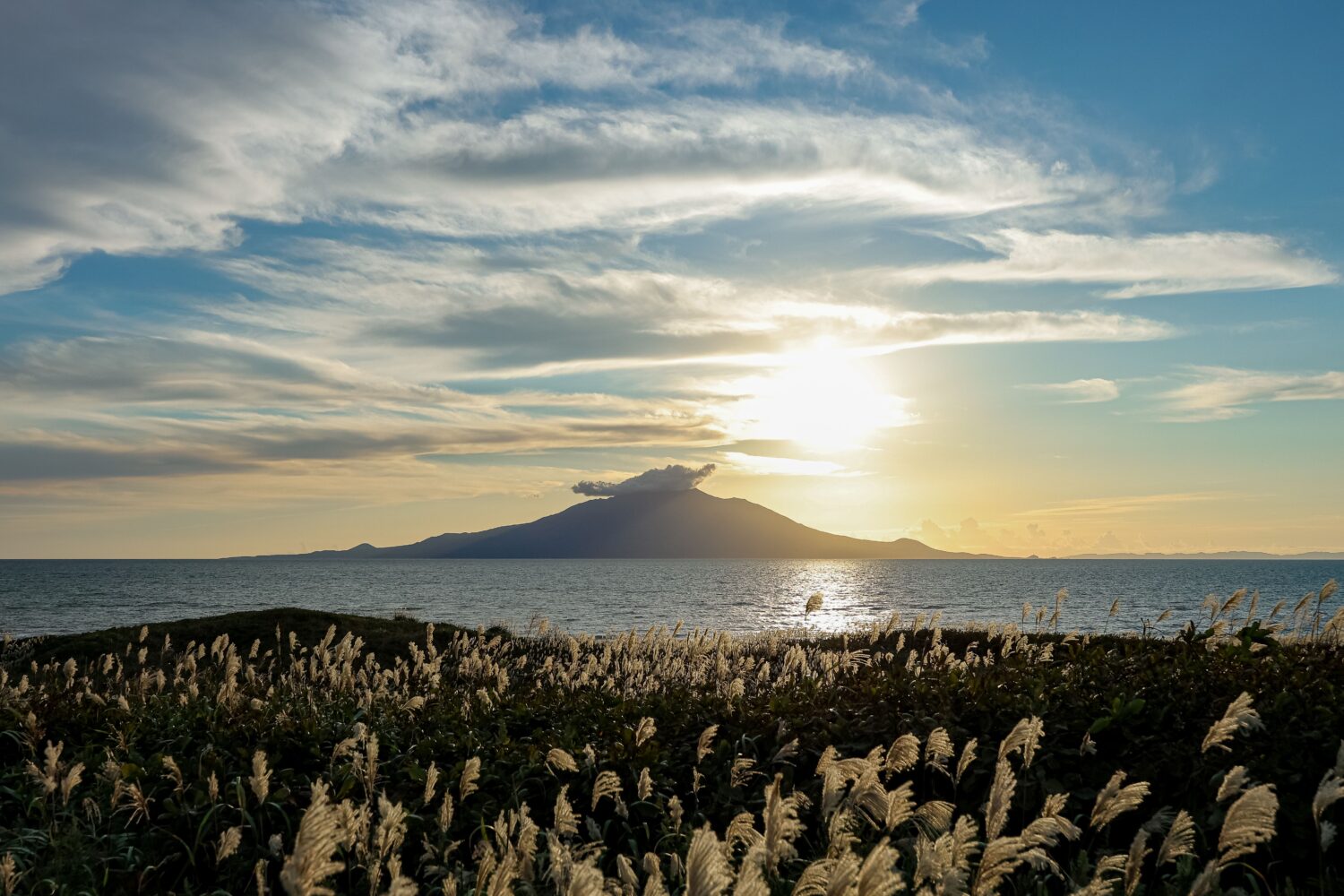
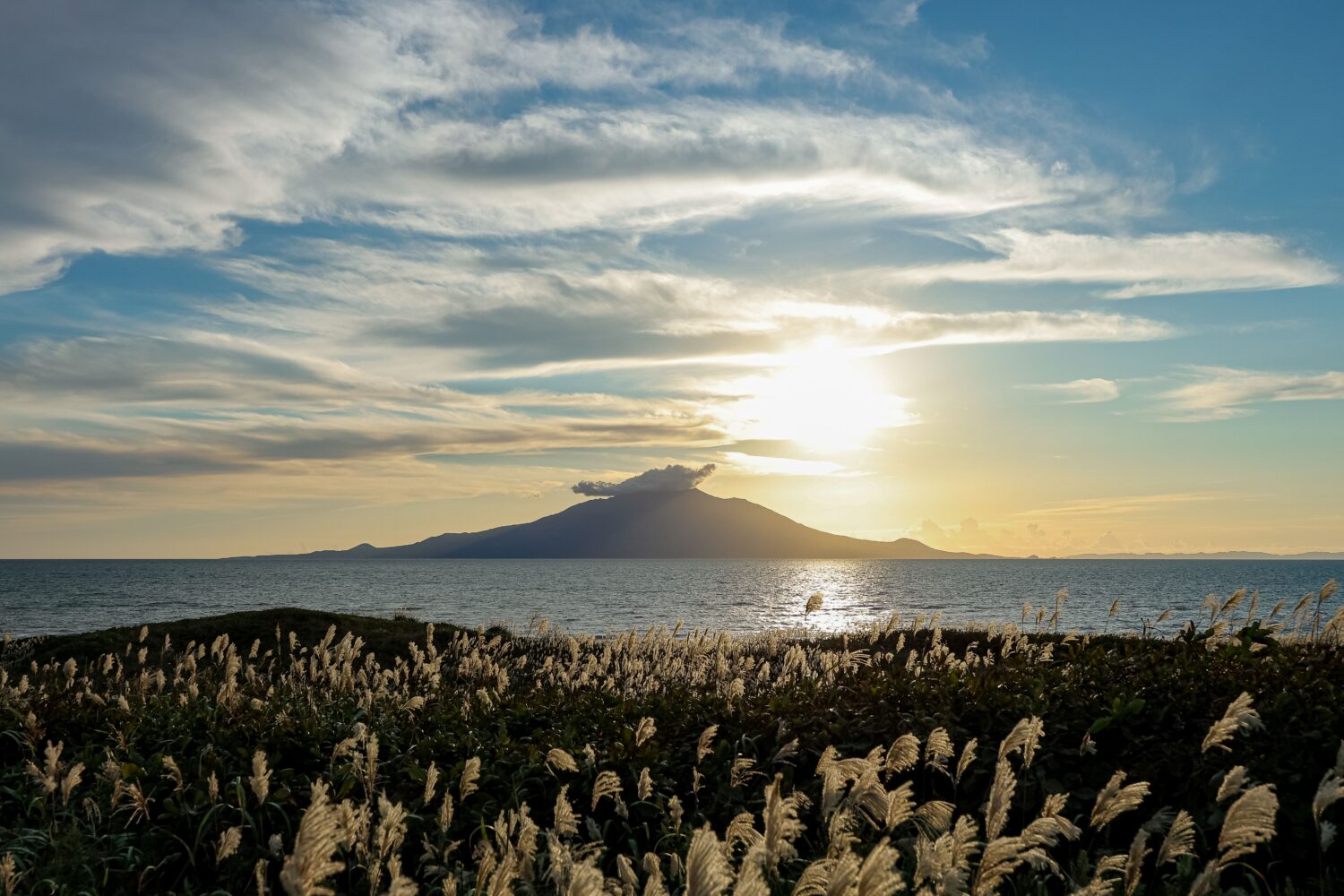
Mt. Rishiri, a 1,721-meter extinct stratovolcano, is both the island’s compass and its organizing principle. Its near-perfect cone is visible from every coastline road, dictating weather patterns and anchoring daily life. Residents refer to it as Rishiri Fuji, not out of imitation, but because the mountain acts as a constant reference point, geographically and culturally.
Rishiri’s surroundings are part of one of Japan’s northernmost national parks, where nature remains relatively untouched due to its difficult access and small year-round population. Summer brings short bursts of alpine flowers; Ezo deer sometimes wander close to walking trails; seabirds trace the air currents around the cliffs. Nothing spectacular in the usual sense, yet there is a rare coherence: everything points back to the mountain at the island’s center.
The sea as resource and ambassador
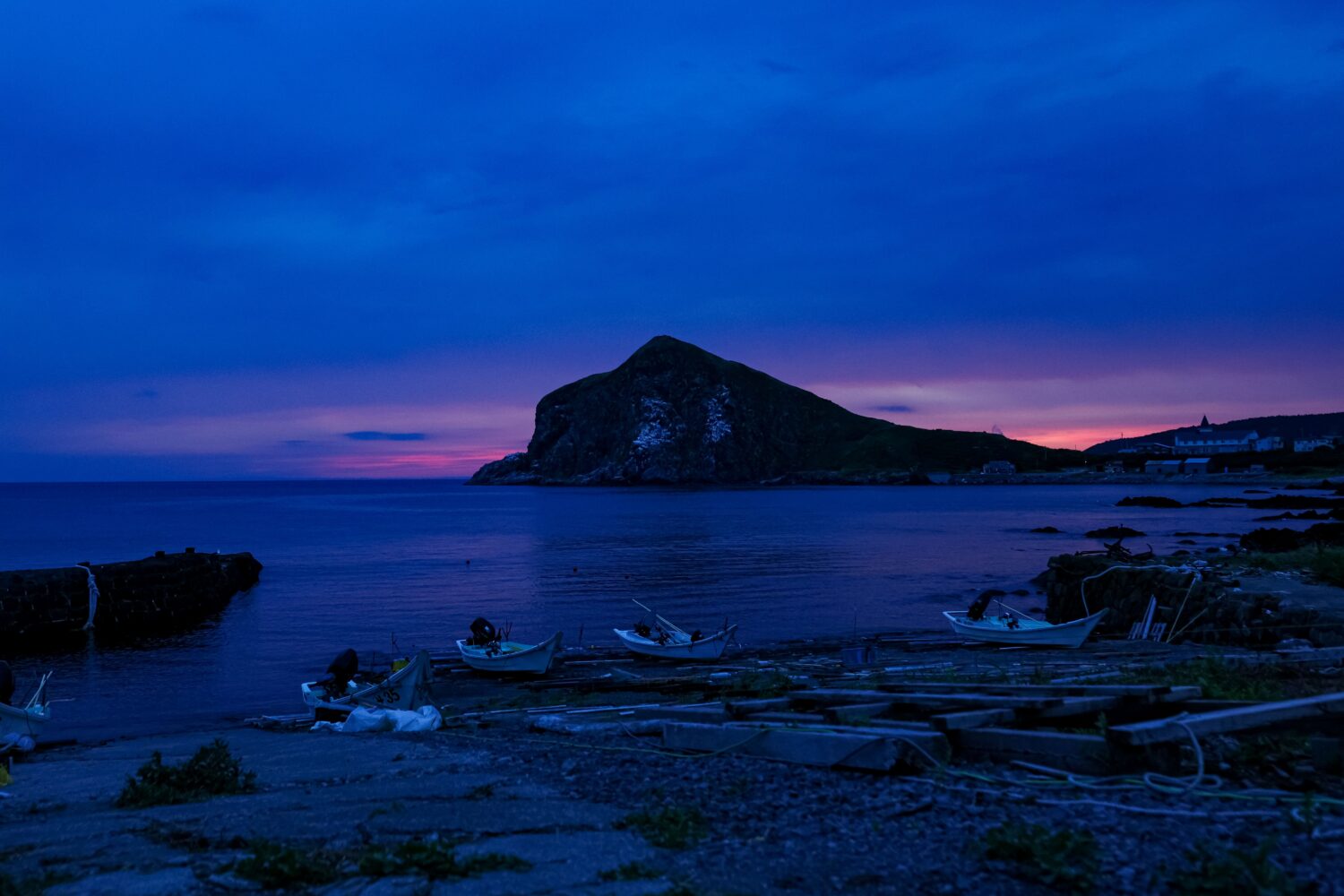
If the mountain gives the island its shape, the sea gives it its rhythm.
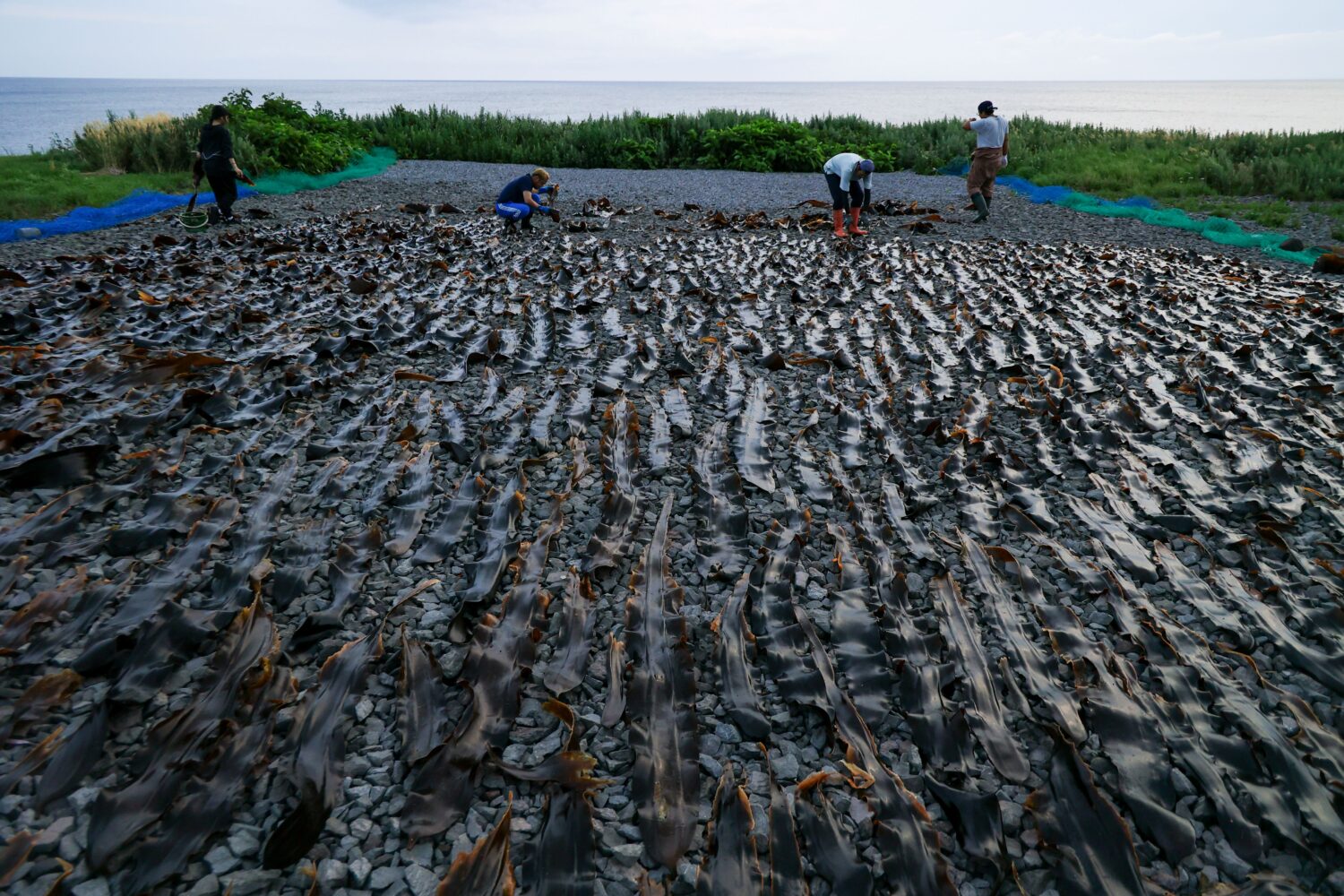
Rishiri’s coastline mixes kelp forests, rocky coves, and cold, remarkably clear waters. Snorkeling and kayaking allow glimpses of an underwater ecosystem where kombu dominates. This seaweed is a very precious resource, an ingredient that has shaped Japanese cuisine far beyond this remote outpost.
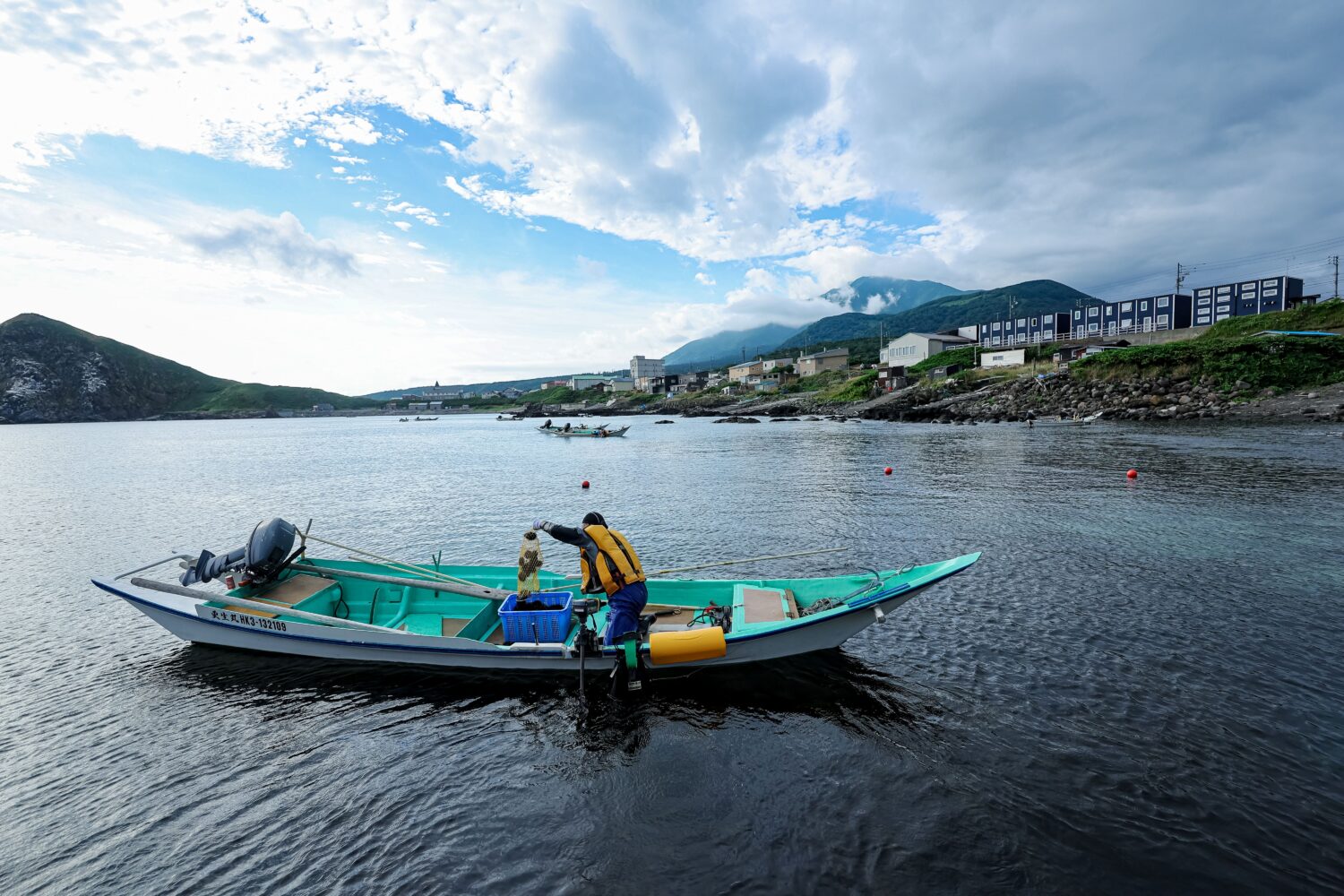
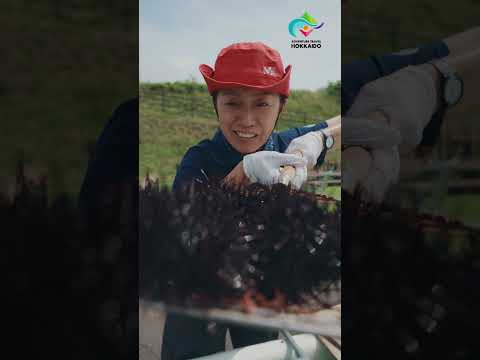
Kombu is Rishiri’s most famous export, used in high-end kitchens across Japan for its depth of flavor. Its harvest follows strict timing and small-scale methods that define much of local life. The same is true for sea urchin fishing. Each summer, during a brief season, visitors can watch or participate in harvesting at Kamui Coast Park and take a direct look at how marine resources, community knowledge, and economic survival are tightly connected.
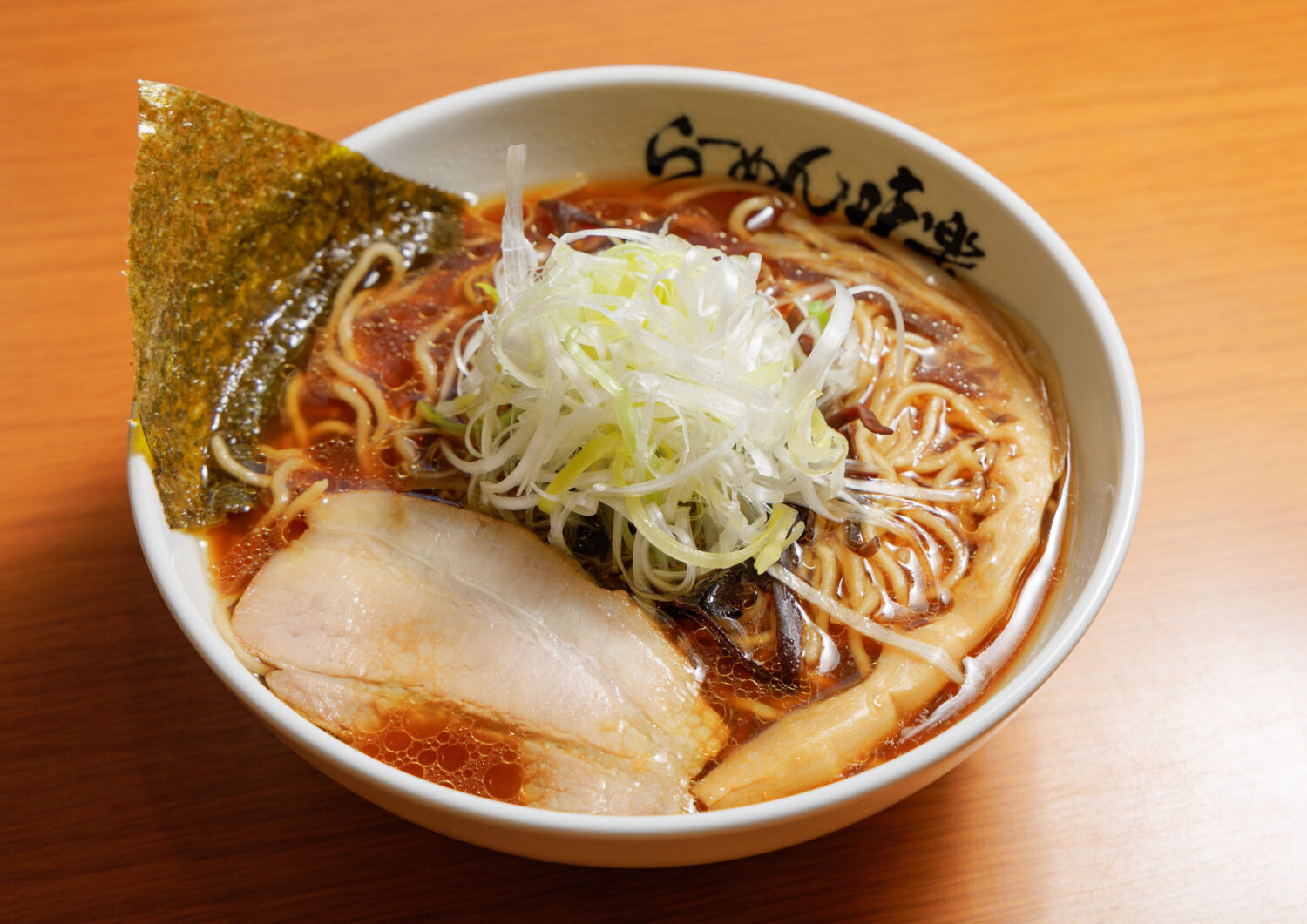
One of the island’s restaurants, Miraku Ramen, known as “Japan’s most remote ramen shop,” built its reputation on a broth made from Rishiri kombu. It demonstrates how a place with barely 5,000 residents can have a significant influence on gastronomy nationwide.
A remote island learning to open up
Despite this success, distance had prevented Rishiri from opening for decades. That is changing slowly. Rishiri Island is about a 50-minute flight from airports on Hokkaido’s mainland or a two-hour ferry ride from Wakkanai Port. The island offers a range of accommodations, from hot spring inns to eco-lodges, and guided tours in English are becoming increasingly available.
But Rishiri is not a postcard, and it doesn’t try to be one. Nights are dark, the wind is constant, and the island’s beauty comes from how tightly its three main forces—people, mountain, and sea—remain entangled.
Yet the balance is now shifting: improved access, new accommodations, and a slow rise in visitors are forcing the island to make choices it has never faced before.
While most major Japanese destinations are struggling with overtourism, Rishiri is at the opposite end of the spectrum. Here, you can discover a place that can still write its own rules before the crowds arrive. It offers a unique insight into how isolated communities are adapting to this fourth force that has reached their shores.
Original videos:
Related links: Adventure in Rishiri Island: hiking and foodie experience