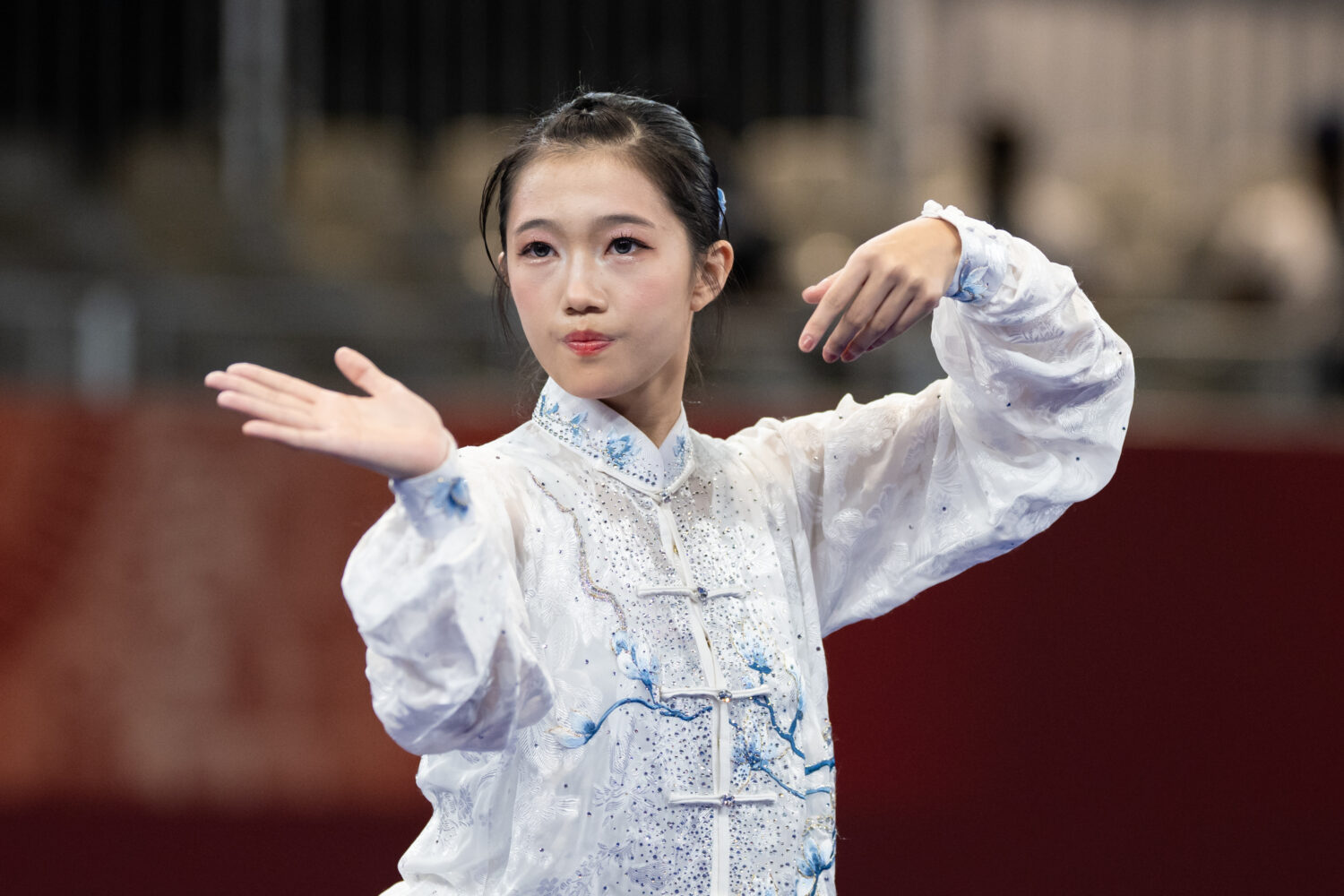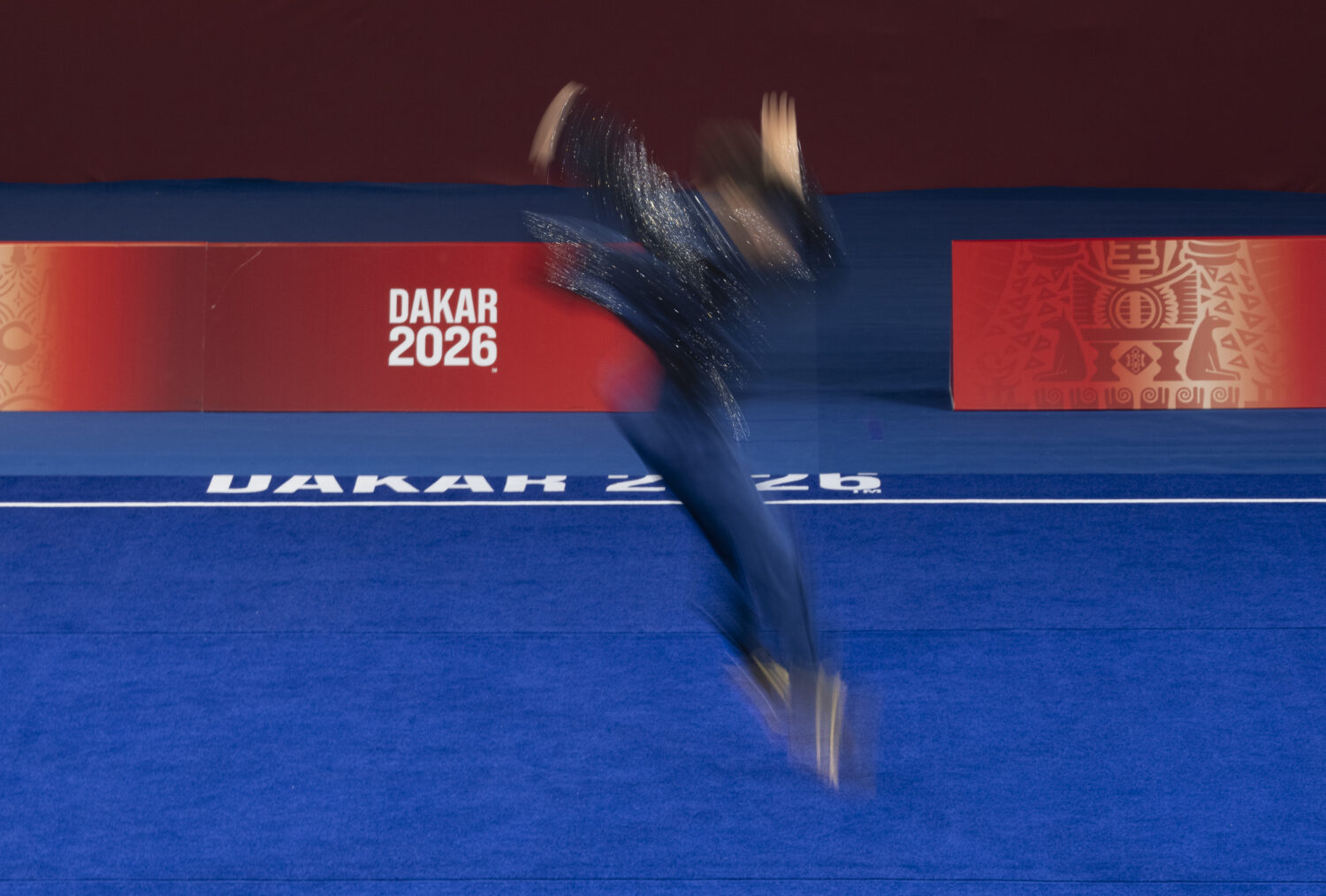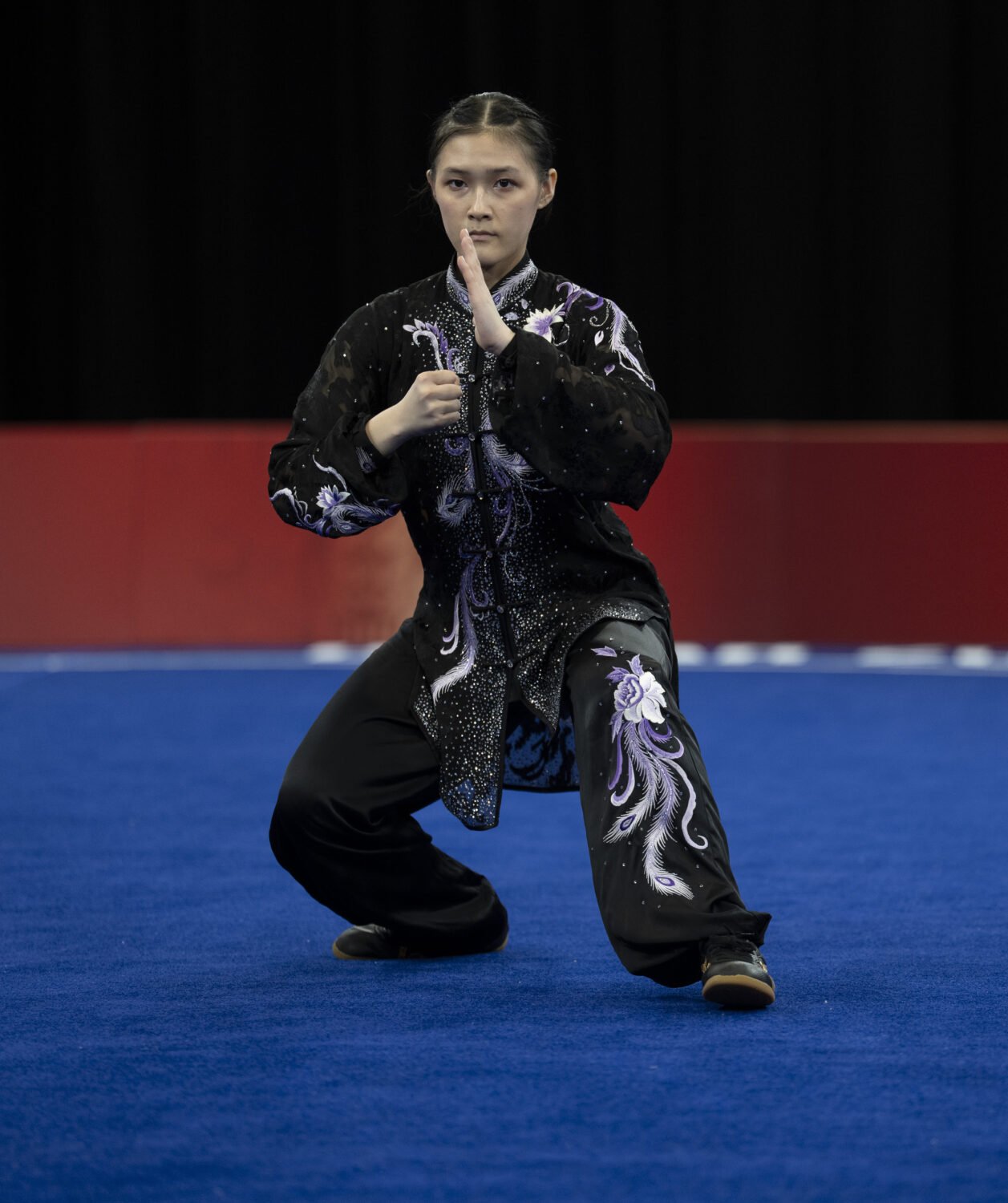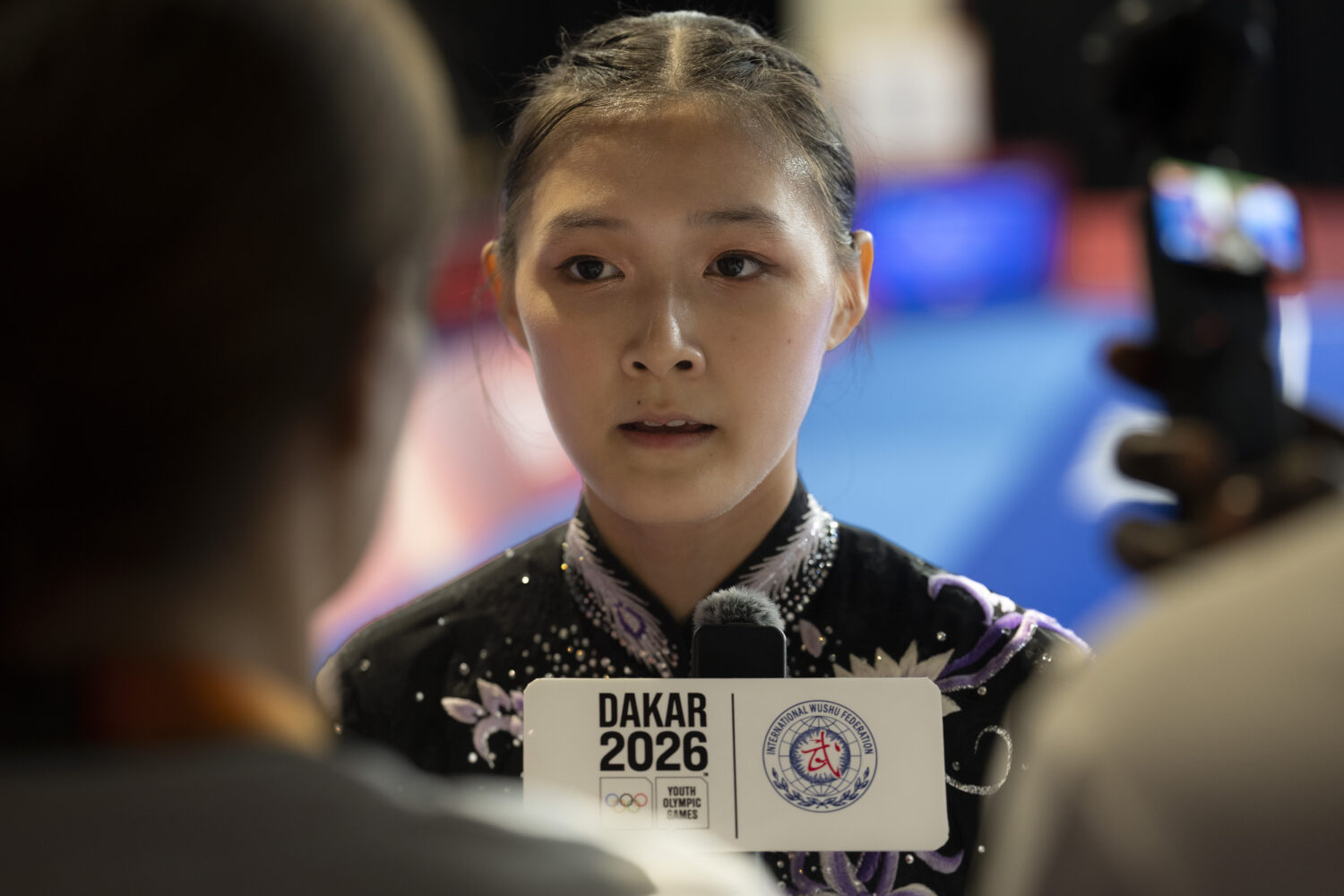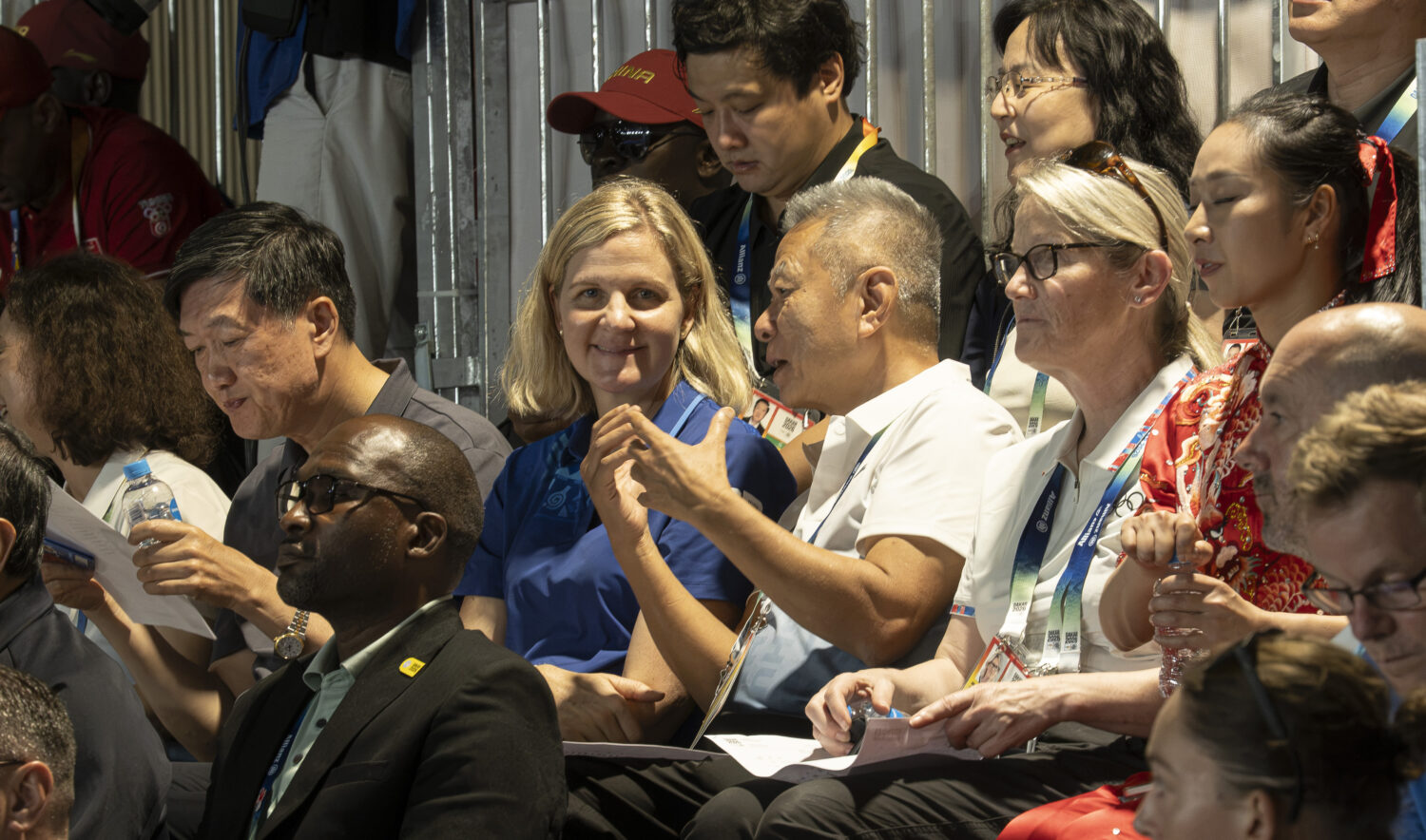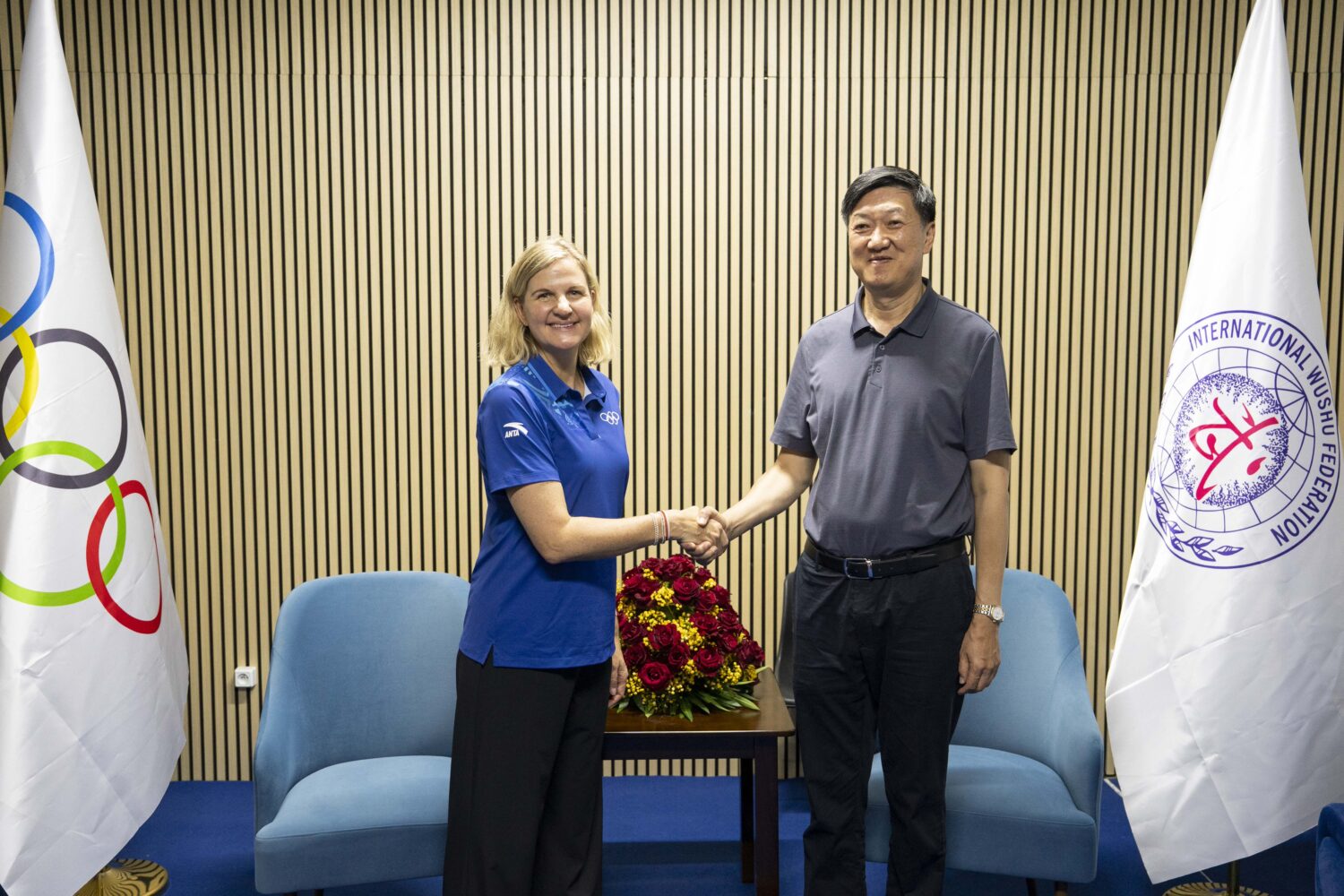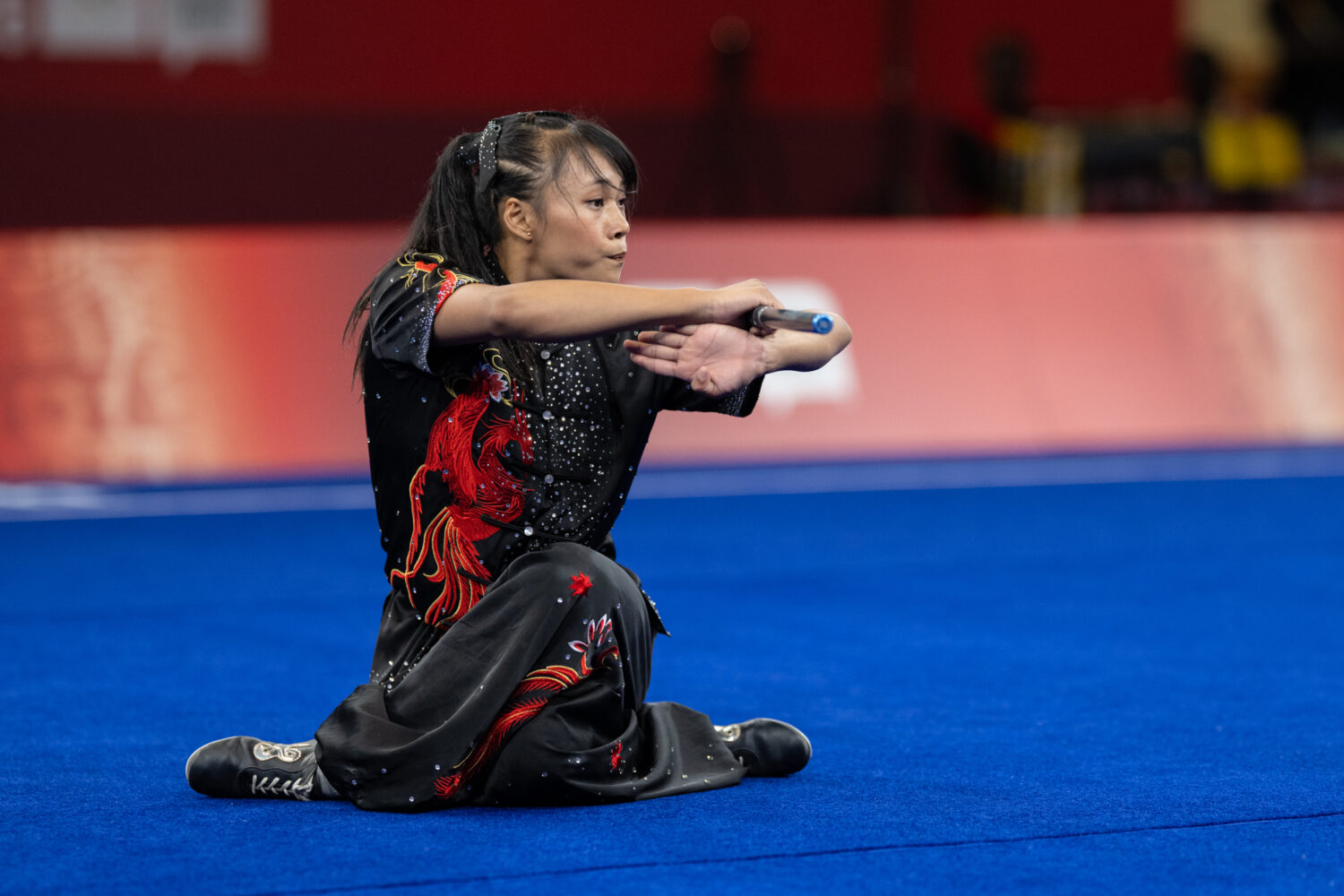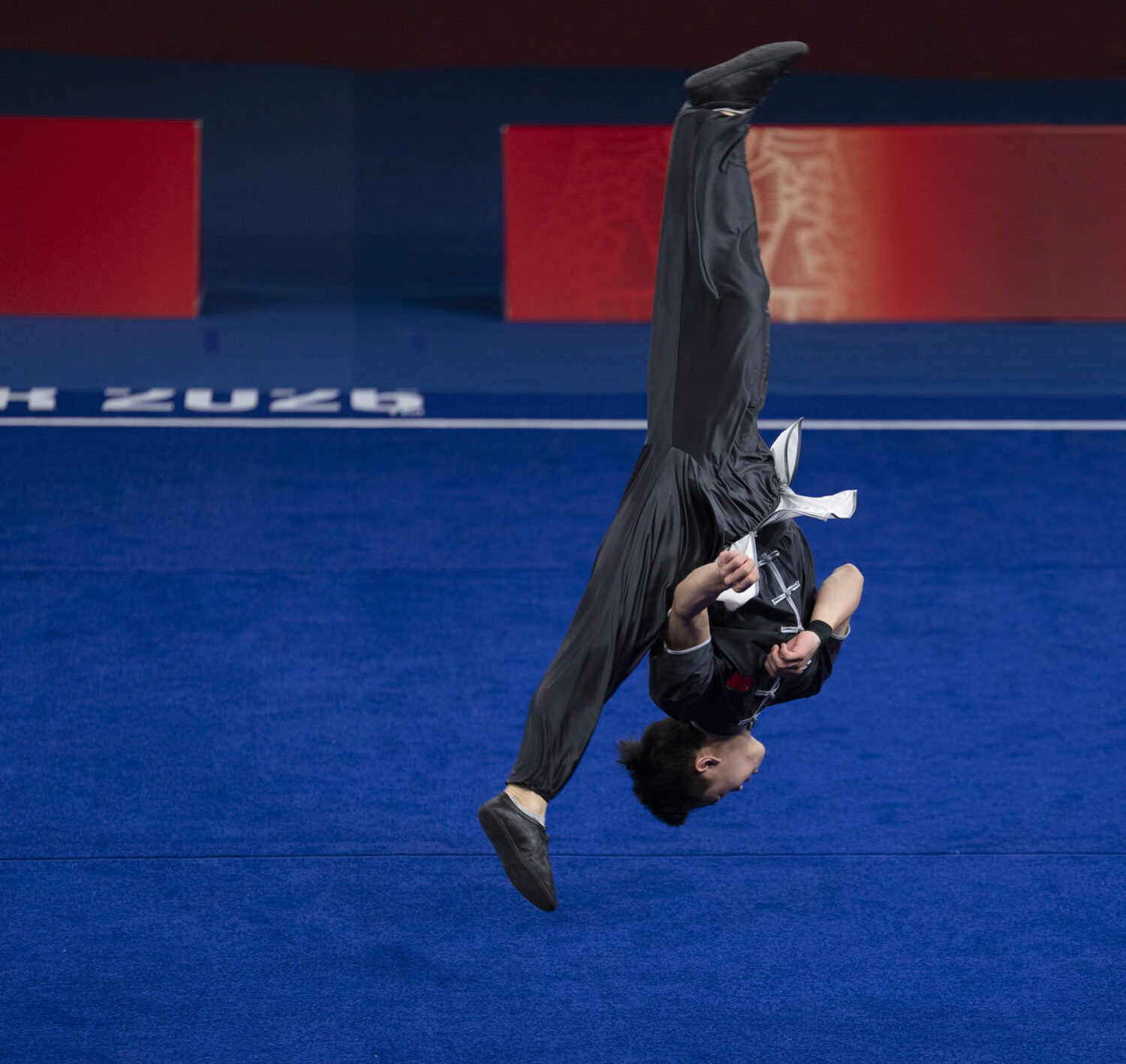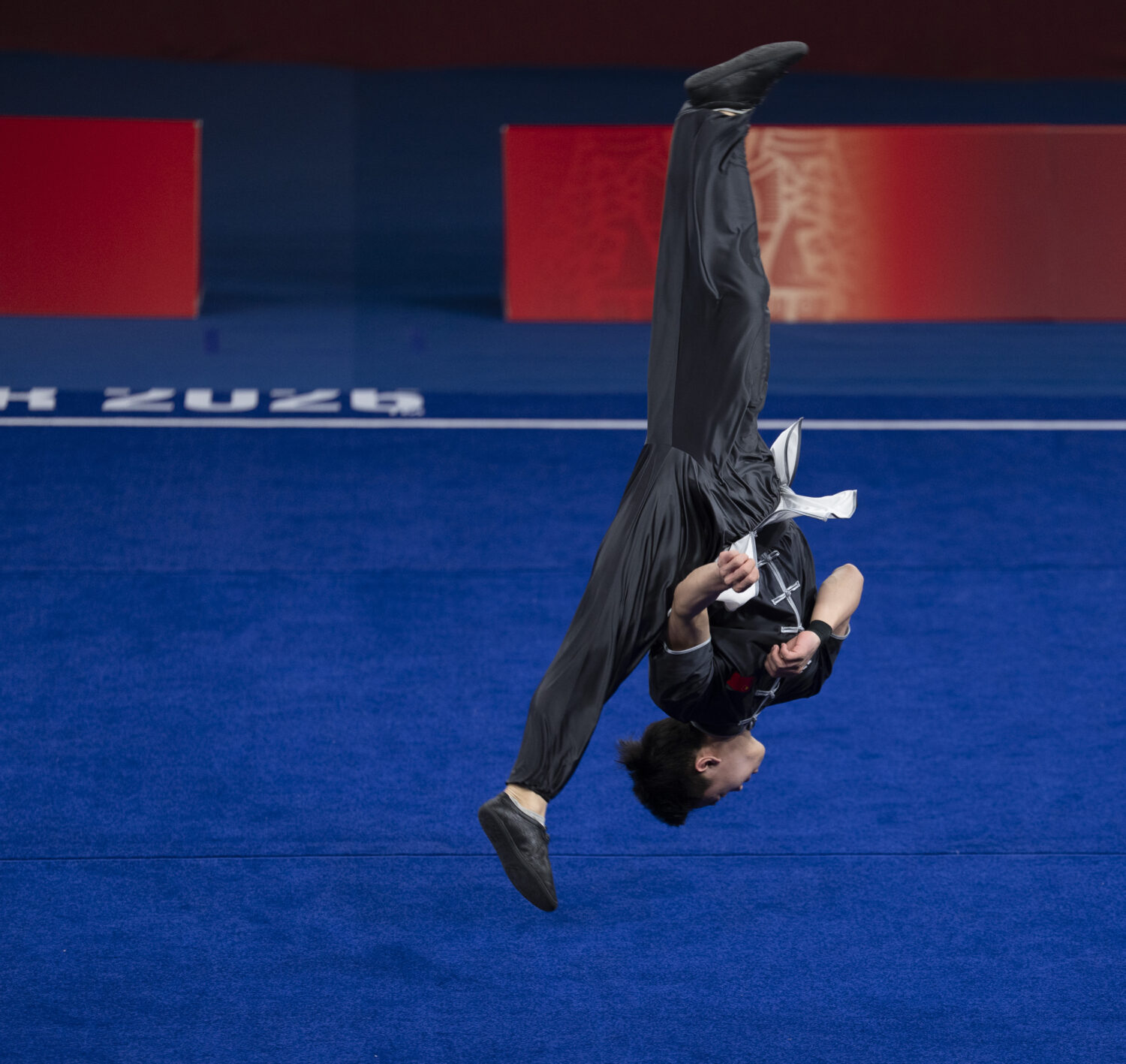
President Coventry attended the competition alongside International Wushu Federation (IWUF) President Gao Zhidan, Vice President Anthony Goh, Sherif Mostafa, Patrick Van Campenhout, Secretary General Zhang Yuping, Wushu’s Athlete Role Model (ARM) for the Dakar 2026 Youth Olympic Games Lai Xiaoxiao and other IOC Executive Board members, including Li Lingwei (CHN).
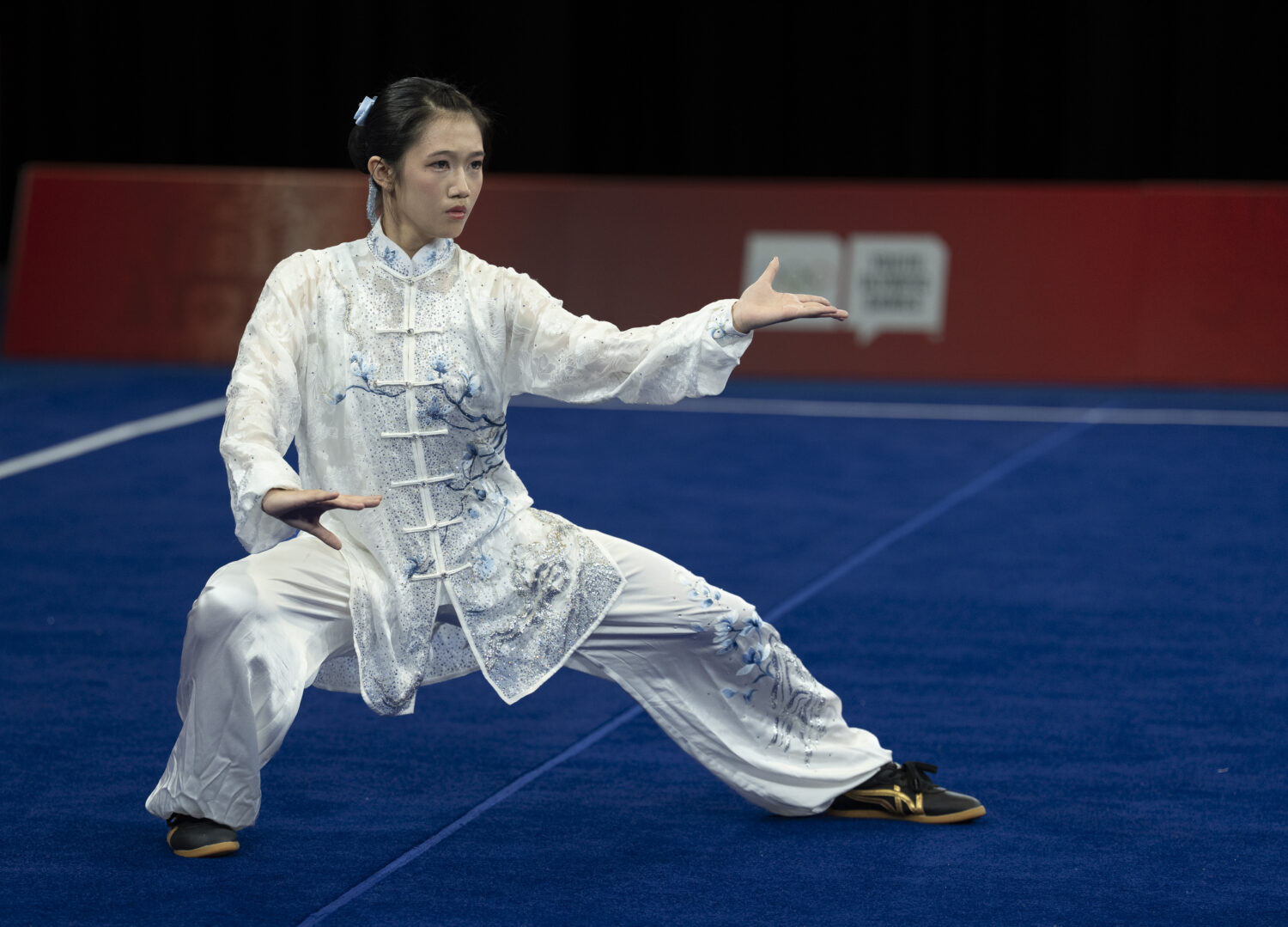
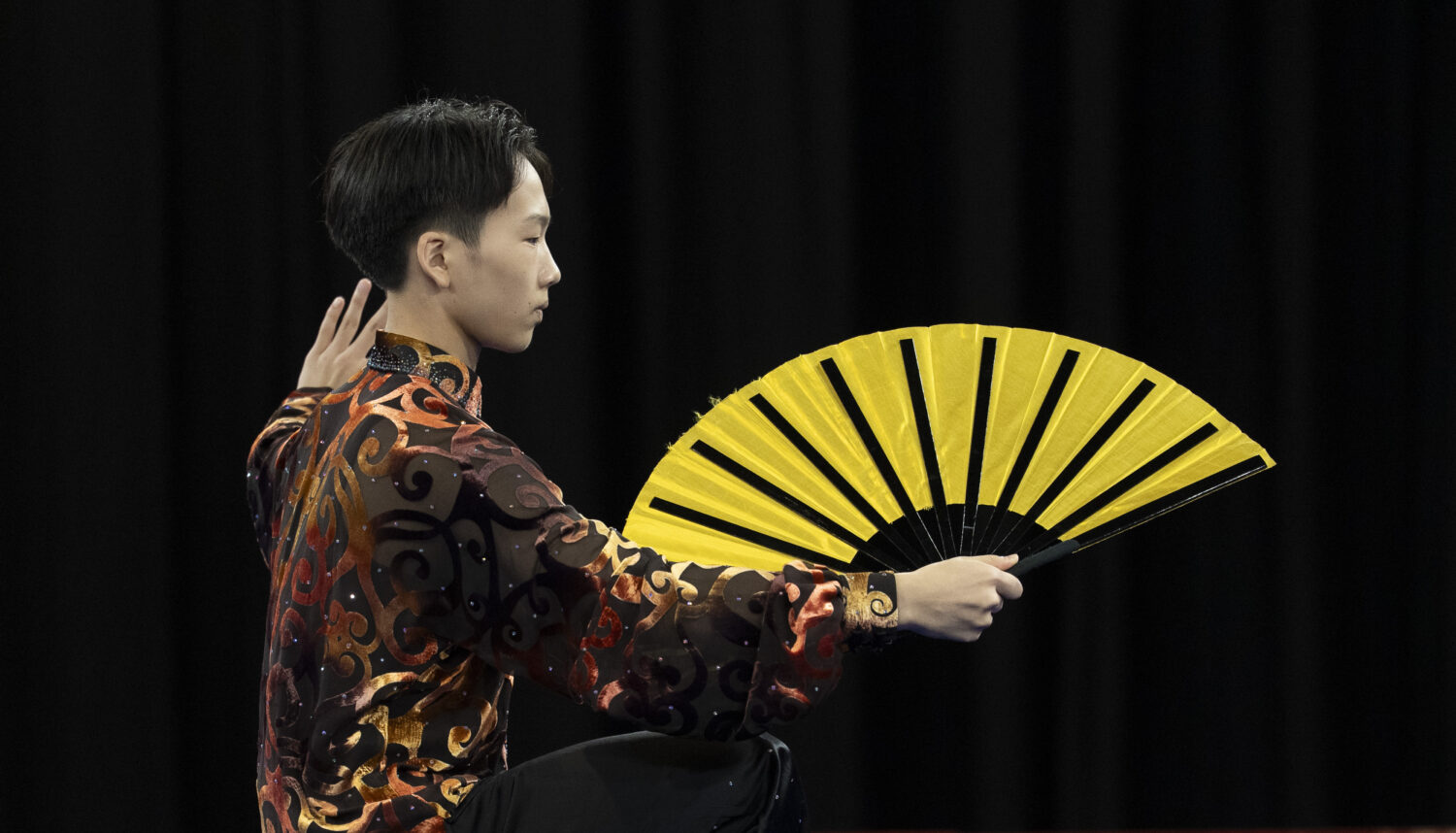
The competition features 47 athletes from 46 countries and regions across four events: Men's and Women's Changquan Combined and Men's and Women's Taijiquan Combined. Under the competition format, athletes perform two routines in each combined event over two days, with the scores added together to determine the overall rankings. The top eight athletes in each event qualify for the finals.
China's LIN Yilei topped the Men's Changquan Combined with 18.780 points, followed by Indonesia's RONDONUWU Asael Christo Jacob (18.613) and the Republic of Korea's LEE Yoonsang (18.406).
Egypt's SONBOL Sondos maintained her lead in the Women's Changquan Combined, with 18.386 points. India's RAJKUMARI Lanchenbi Chanu placed second with 17.982, while Venezuela's DUDAMEL ALVARADO Valeria Frannery finished third with 17.576.
Singapore's NG Zhe Nin leads the Women's Taijiquan Combined with 18.653 points, ahead of Chinese Taipei's CHU Yu En (18.563) and the Philippines' POLO Angel (18.456). In the Men's Taijiquan Combined, USA's BRAYTON Marshall moved up from third place after the opening day to take the lead with 18.693 points. Hong Kong, China's POON Hao Ran finished second with 18.676, just 0.017 points behind, while Malaysia's LIM Kai Shen placed third with 18.623.
Speaking after his performance, BRAYTON said wushu gave him the freedom to express his individual style. Having practised the sport for 11 years, he also credited taijiquan with teaching him to remain calm under pressure and develop self-discipline.
The preliminary rounds have confirmed 32 finalists across the four events, who will compete for the first wushu medals at the Youth Olympic Games. The competition marks a significant step in wushu's development within the Olympic Movement.
Wushu results at Dakar 2026 Youth Olympic Games (Preliminary Round, Top 8 advance to finals):
Men's Changquan Combined:
LIN Yilei (CHN) 18.780
RONDONUWU Asael Christo Jacob (INA) 18.613
LEE Yoonsang (KOR) 18.406
HAGOS Natnael (ETH) 18.280
PAHALI Arash (IRI) 18.226
BLIUSHKE Artem (RUS) 18.126
ASSELMAN Robbe (BEL) 16.982
SILVA Renato (CHI) 16.323
Women's Changquan Combined:
SONBOL Sondos (EGY) 18.386
RAJKUMARI Lanchenbi Chanu (IND) 17.982
DUDAMEL ALVARADO Valeria Frannery (VEN) 17.576
LO Lisa (FRA) 17.566
KARCHAVA Gvantsa (GEO) 17.450
ZHOU Amber Jiaxin (NZL) 16.883
ROJAS SERRANO Samantha Regina (MEX) 16.576
ALIOUA Maria Warda (ALG) 16.499
Women's Taijiquan Combined:
NG Zhe Nin (SGP) 18.653
CHU Yu En (TPE) 18.563
POLO Angel (PHI) 18.456
ZHUO Mia Aurelja Xianglin (GER) 18.360
WEI Miranda (CAN) 18.359
KHOLMUMINOVA Gulirano (UZB) 18.256
CHUA Lauren Emily Yu Qing (BRU) 18.143
MANAI Zeineb (TUN) 17.883
Men's Taijiquan Combined:
BRAYTON Marshall (USA) 18.693
POON Hao Ran (HKG) 18.676
LIM Kai Shen (MAS) 18.623
NGUYEN Khac le Hoang (VIE) 18.586
KAWAMURA Shiki (JPN) 18.560
LUONG Leandro Gia Hy (SUI) 18.440
RITENBERGS Roberts (LAT) 18.239
ARMANI Lorenzo (ITA) 17.876
(Note: All scores are combined totals from two preliminary routines. Top 8 athletes advance to the medal finals.)
ATHLETE QUOTES
Lin Yilei (CHN)- Men’s Changquan Combined
"It was a bit better than I expected, a little bit much better. The momentum on the field was all brought out," said LIN, reflecting on his performance. He also expressed his hope of sharing the spirit and values of wushu with the world and inspiring more people to take up the sport.
RAJKUMARI Lanchenbi Chanu (India) - Women’s Changquan Combined
Despite a slip during her routine, RAJKUMARI secured qualification and remains determined to fight for the top prize.
"I will take a medal, and go back home," she said. "Actually, not just any medal, I will take gold."
Marshall BRAYTON (USA) Men’s Taijiquan Combined
BRAYTON's expressive Taijishan routine, performed to the music of Liang Zhu, captivated the audience and showcased the individual creativity that lies at the heart of wushu.
"I didn't make any mistakes, and I did show my best," he said. Having practised wushu for 11 years, BRAYTON initially followed his older siblings into the sport before discovering his passion for Taijiquan. He believes the discipline has taught him to remain calm under pressure and develop greater self-discipline.
"For taiji, everybody has a different kind of flavour to their moves. I think that flavour and that uniqueness in every person's routine is the essence of wushu," he explained.
NG Zhe Nin (Singapore) Women’s Taijiquan Combined
Preparing for her routine required a close connection with the music, which she had received only recently.
"I was advised to sleep to the song because I got it not long ago, so I had to understand it more and have it in my muscle memory. I keep playing it again and again until I fall asleep," NG shared.
ZHOU Amber Jiaxin (New Zealand) Women’s Taijiquan Combined
The preliminary rounds also highlighted the growing international reach of wushu. Among the competitors was ZHOU Amber Jiaxin of New Zealand, the only wushu athlete representing Oceania at the Games.
"I feel super grateful for the opportunity. And I think it's a lot of pressure, but I'm really proud to represent New Zealand in wushu," she said.
For ZHOU, wushu's inclusion in the Youth Olympic Games is a reflection of the sport's international development.
"It just shows how much it's grown ever since it started going worldwide, from being just in China to going all over the world. It's really amazing."