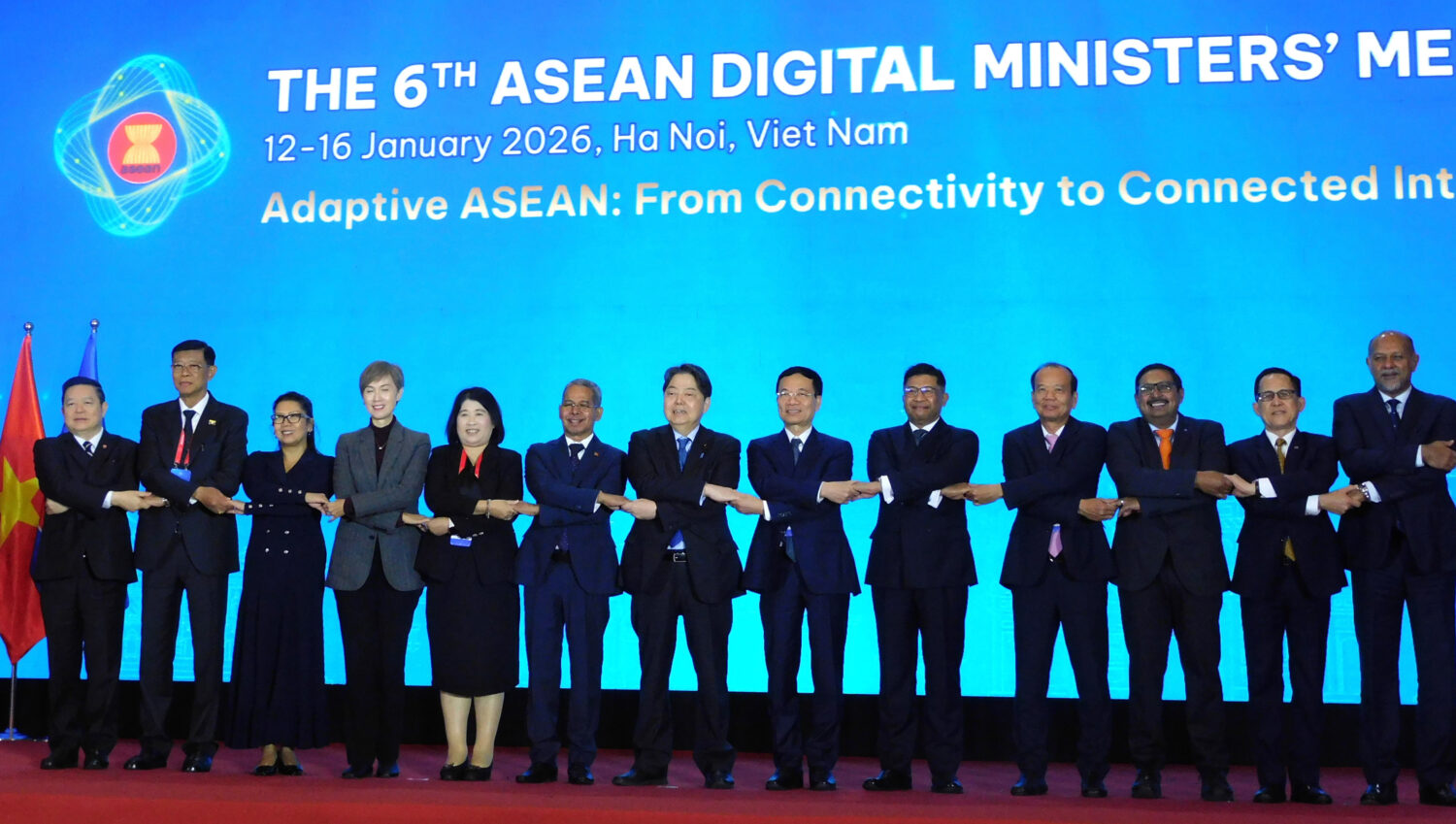
He added: ”They frankly voiced concerns about these issues along with strong expectations for deeper cooperation with Japan. We intend to steadily strengthen AI collaboration with ASEAN member states.”
AI has become indispensable across virtually every sector. Central and local governments now rely on it to gather and analyze the data that underpins policy decisions. Companies harness AI to speed up product development and to cut the cost of experimentation. Universities and research institutes depend on it for scientific inquiry. In many of these activities, working without AI is no longer realistic. Among the various branches of AI, large language models (LLMs) have advanced with particular speed. Built through deep learning and trained on vast bodies of text, they can interpret context, hold coherent exchanges, and generate highly natural-sounding language.
The Hidden Risks of AI
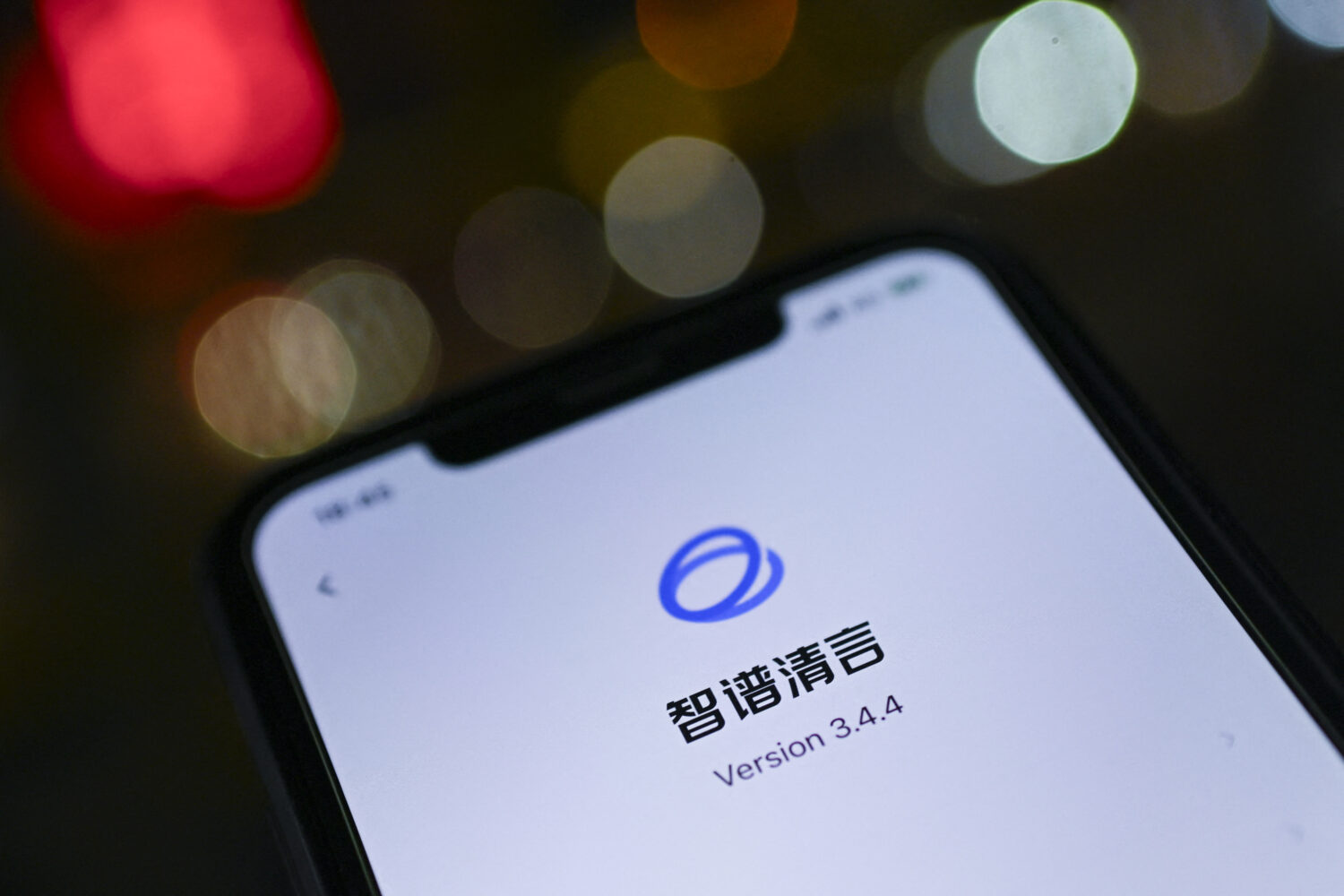
However, that very sense of “naturalness” comes with its own risks. Global AI development is now driven by companies in the United States, including OpenAI and Google, as well as fast-growing Chinese firms such as Alibaba Group. Because LLMs reflect the languages, cultures, and values of their countries of origin, users in other nations may have their thinking or perceptions influenced without realizing it. This is why countries across Southeast Asia place particular emphasis on “sovereign AI,” developed and operated in accordance with their own interests and values.On October 26, 2025, at the ASEAN–Japan Summit in Kuala Lumpur, Japanese Prime Minister Sanae Takaichi called for the launch of the “Japan–ASEAN Co-creation Initiative for Artificial Intelligence (AI),” aimed at expanding joint research in AI and semiconductor technologies. The joint statement issued at the Japan–ASEAN Digital Ministers’ Meeting is intended to give concrete shape to that initiative.
Japan is moving to jointly develop native-language AI for Southeast Asian countries through coordinated efforts between the government and the private sector. As an initial step, Minister Hayashi met with Cambodia’s Minister of Posts and Telecommunications, Chea Vandeth, on the sidelines of the Digital Ministers’ Meeting, where they agreed to cooperate on developing a large language model for Khmer, the country’s official language. While the United States and China are working to spread their own pre-packaged AI systems worldwide, Japan is pursuing a more tailored, “made-to-order” approach that respects each country’s language and culture. In addition to LLMs, the joint statement from the Digital Ministers’ Meeting calls for cooperation in building the data centers needed to operate AI systems, strengthening digital and security infrastructure, and developing human resources. It also affirms cooperation on strengthening legal frameworks to address risks such as the misuse of AI, including the spread of disinformation.
Expanding AI Cooperation
Japan’s government and private sector are already moving ahead with joint AI projects across Southeast Asia. To help prevent the spread of dengue fever carried by mosquitoes, Kao Corp. is working in Thailand to develop an AI model that predicts the transmission of mosquito-borne viruses. In 2022, the project was selected for the Japan-ASEAN Asia Digital Transformation (ADX) Promotion Program, promoted by Japan’s Ministry of Economy, Trade and Industry (METI) and implemented by the Japan External Trade Organization (JETRO). Researchers from the Kao Group have been traveling to regions across Thailand to capture mosquitoes, contributing to efforts to curb dengue fever, which continues to pose a serious public health threat.In September 2024, Sony Research Inc., a subsidiary of Sony Corp. dedicated to AI development, signed a memorandum of understanding with AI Singapore, a research institute under the Singaporean government, to pursue joint research. As part of developing Sea-Lion, a family of LLMs tailored to Southeast Asia, the two sides have been testing and providing feedback on languages used across India and the region, including Tamil. At the time, Hiroaki Kitano, then serving as president of Sony Research, emphasized that “Southeast Asia has more than 1,000 languages, and designing AI models and tools that can accommodate this diversity is essential.”
In June 2025, Kokopelli Inc., which operates a platform that supports small and medium-sized enterprises, launched a business-matching service linking Japanese SMEs with mid-sized and smaller firms in Thailand through its subsidiary in Bangkok. The service enables direct negotiations through an AI-powered real-time translation chat and is supported by coordinators familiar with business practices in both countries. It was developed with cooperation from METI and Thailand’s Office of SMEs Promotion (OSMEP). Shigeru Kondo, chief executive officer of Kokopelli, emphasized that “Japan excels at developing services that are finely tuned to the needs of its counterparties.”
Safe, Secure, and Trustworthy AI
ASEAN, comprising 11 countries, has a combined gross domestic product (GDP) of 4 trillion dollars and is expected to overtake Japan in 2027. Southeast Asia’s AI market is growing rapidly, with some estimates suggesting it will reach 17.2 billion dollars in 2033, nearly four times its 2024 level. As investment from U.S. and Chinese firms is increasing, Japan also needs to move quickly to tap demand in ASEAN, often described as a global growth center. About 10,000 Japanese companies operate across ASEAN, making stable supply chains essential for economic security. In this context, joint work on developing “safe, secure, and trustworthy AI” will underscore the strengthening win-win partnership between Japan and ASEAN.By Akio Yaita
Journalist. Graduated from the Faculty of Letters at Keio University.
After completing his doctorate at the Chinese Academy of Social Sciences, he worked as a correspondent for the Sankei Shimbun in Beijing and as Taipei bureau chief. Author or coauthor of many books.
*The stories and materials above are provided by JIJI.press or AFPBBNews. Feel free to feature these stories in your own media, as long as they are properly credited.