[Japan, Hiroshima. December 12, 2025]
Top Note: Exploring the isles on two wheels
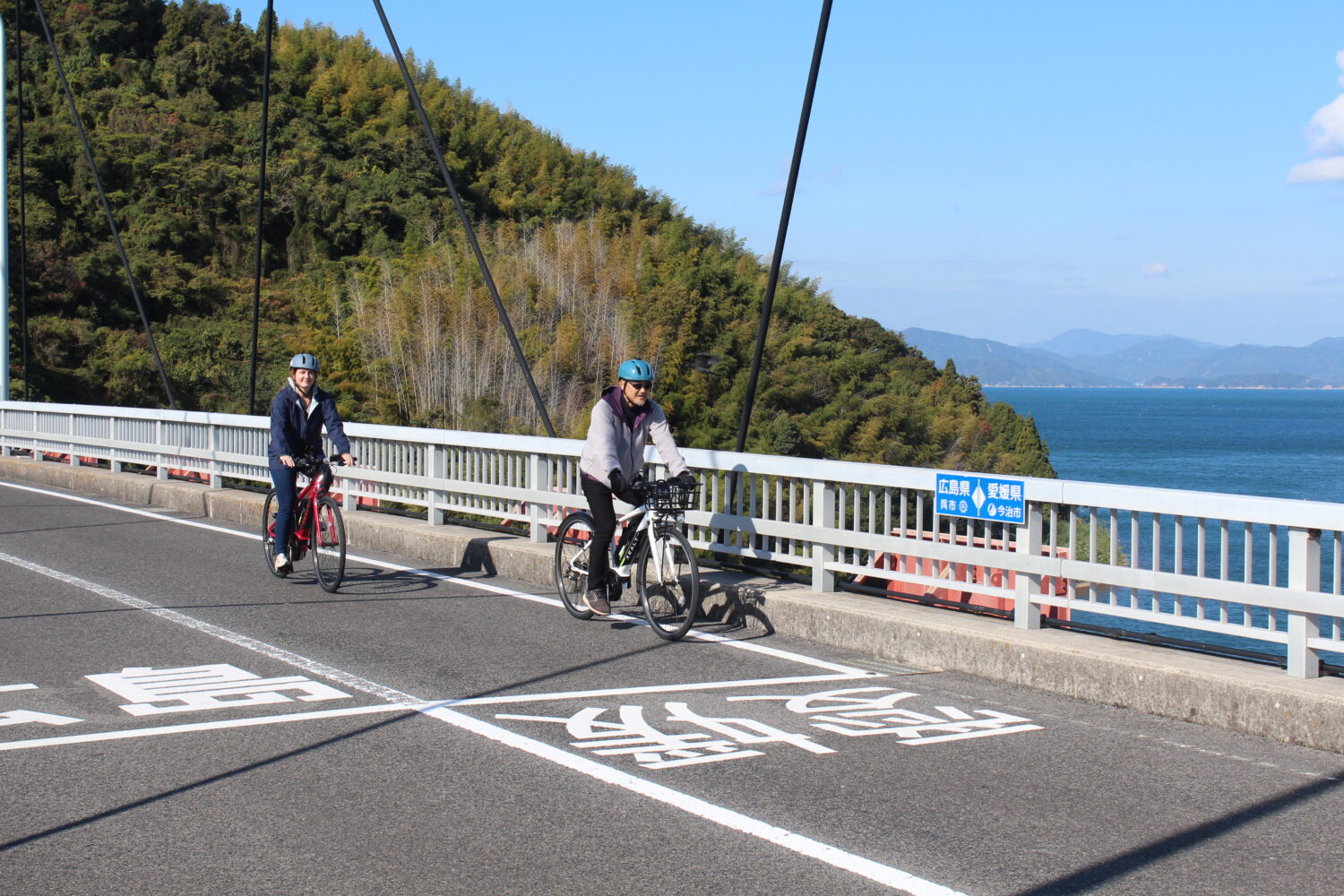
From Hiroshima, you can reach Kawajiri in about one hour by train. This is where your adventure begins, with the Tobishima Kaido Cycling Route, which stretches to Imabari. Seven islands connected to each other and to the mainland by bridges form a surprising path: a blue line on the ground indicating the direction, very few cars, the brilliant contrast of orange citrus fruits against turquoise-blue sea, and the scent of salty wind. Welcome to a new world.
Takao Saito, an experienced guide, shares his passion for local history. He explains how the development of transport has influenced the small port towns along the way. We cycle at a moderate pace, taking in everything: the sound of the waves, the rhythm of our pedaling.
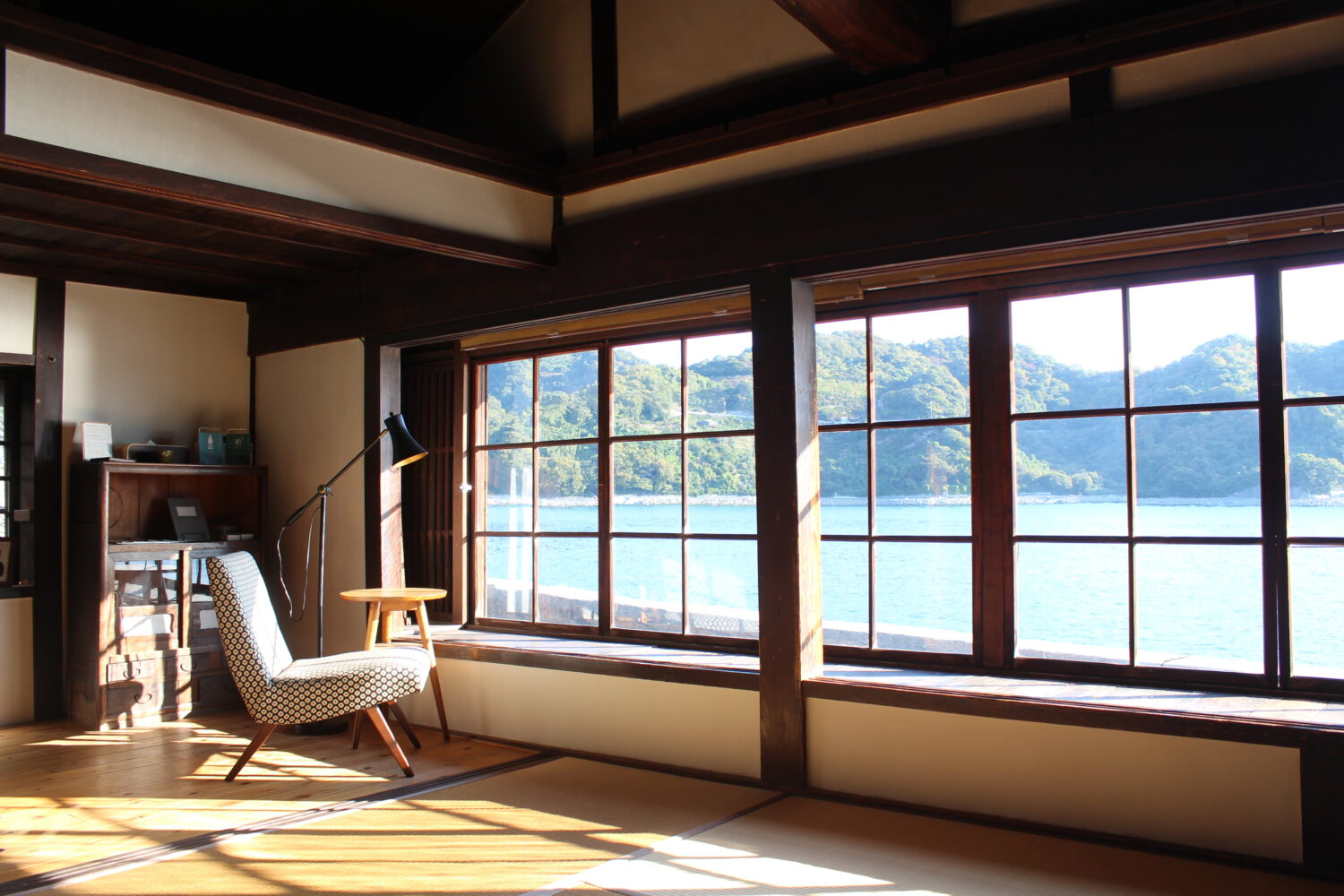
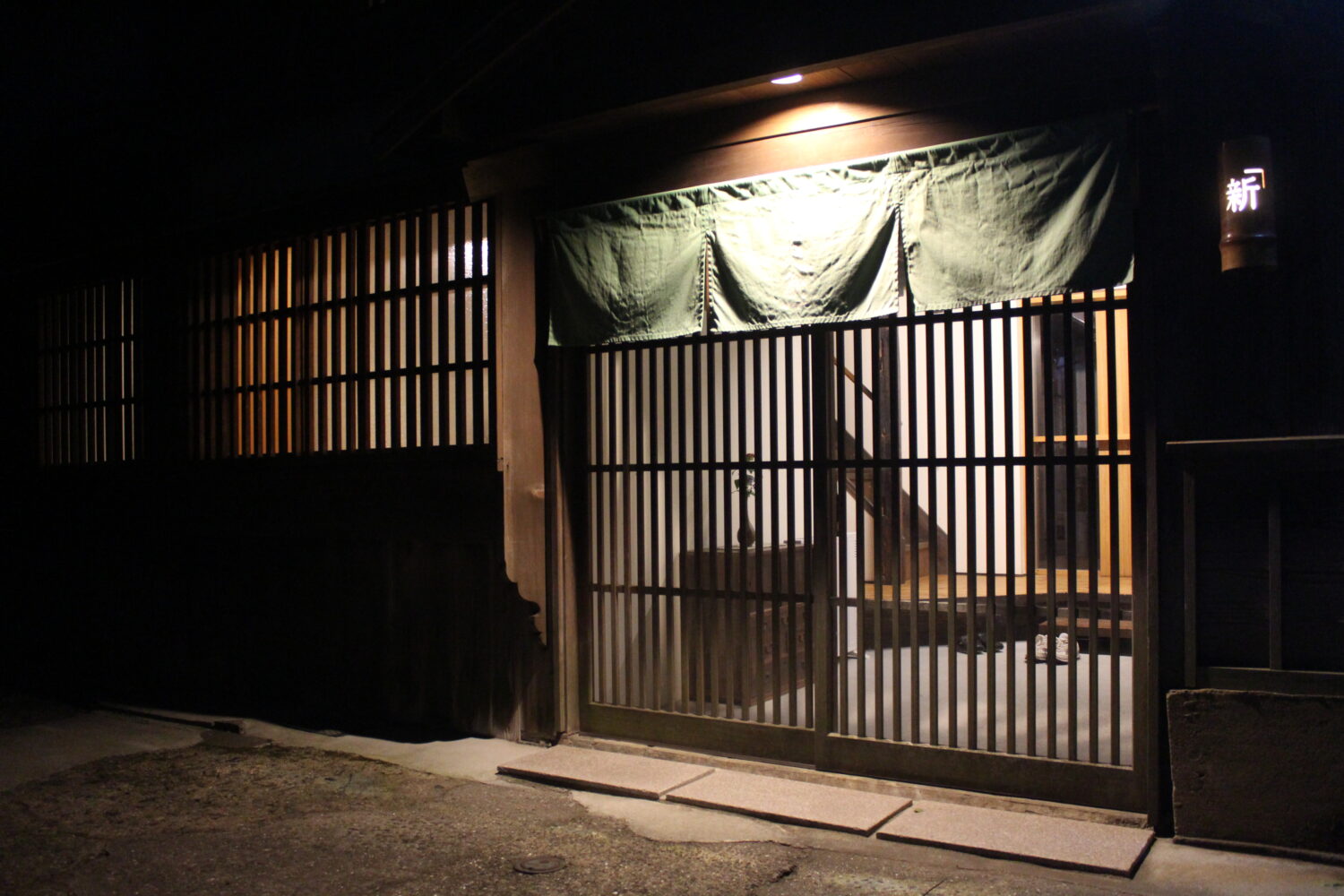
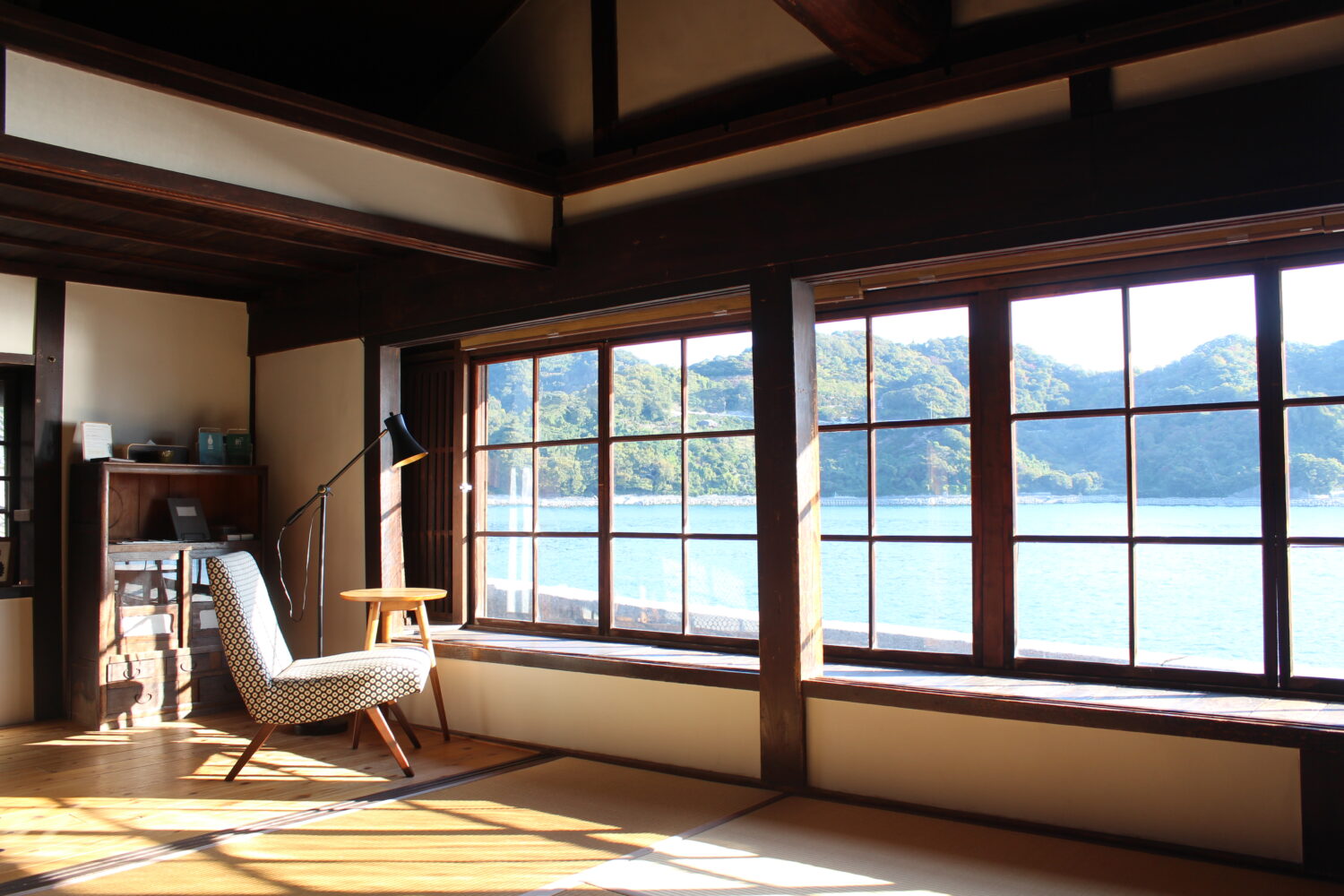
After a handful of skilled pedal pushes, Mitarai emerges as if trapped in a timeless moment. Here, the enchanting Shintoyo Guesthouse welcomes weary travelers with a blend of allure and discretion. Akira Inoue, its owner, spent 15 years restoring century-old buildings, preserving their soul. “It’s breathtaking, but it’s not ostentatious or expensive. I can’t compare it to anything else in history,” he admits. “It’s truly priceless.” This philosophy of restoration without erasing the past also caught the attention of the film industry. The guesthouse served as a filming location for the critically acclaimed film Drive My Car.
In the evening, one can unwind at the SHINCHIBANA SAUNA, a Meiji-era relic that has recently undergone renovations. The warm and resinous atmosphere of this historic town provides a unique and luxurious experience, as one suspends time and immerses oneself in the past.
Heart Note: Sea salt and savory flavors
Now, we are heading to the neighboring island of Osakikamijima, home to the oysters and shrimp that have given this region its culinary fame.
Suzuki Takashi warmly greets us at Farm Suzuki. Inspired by practices observed in Australia and France, he explains with patience and passion the secrets of his craft: why certain oysters have thick shells, how water circulation stimulates growth, and how baskets are raised to separate sizes. Each gesture reveals a deep understanding of his environment.
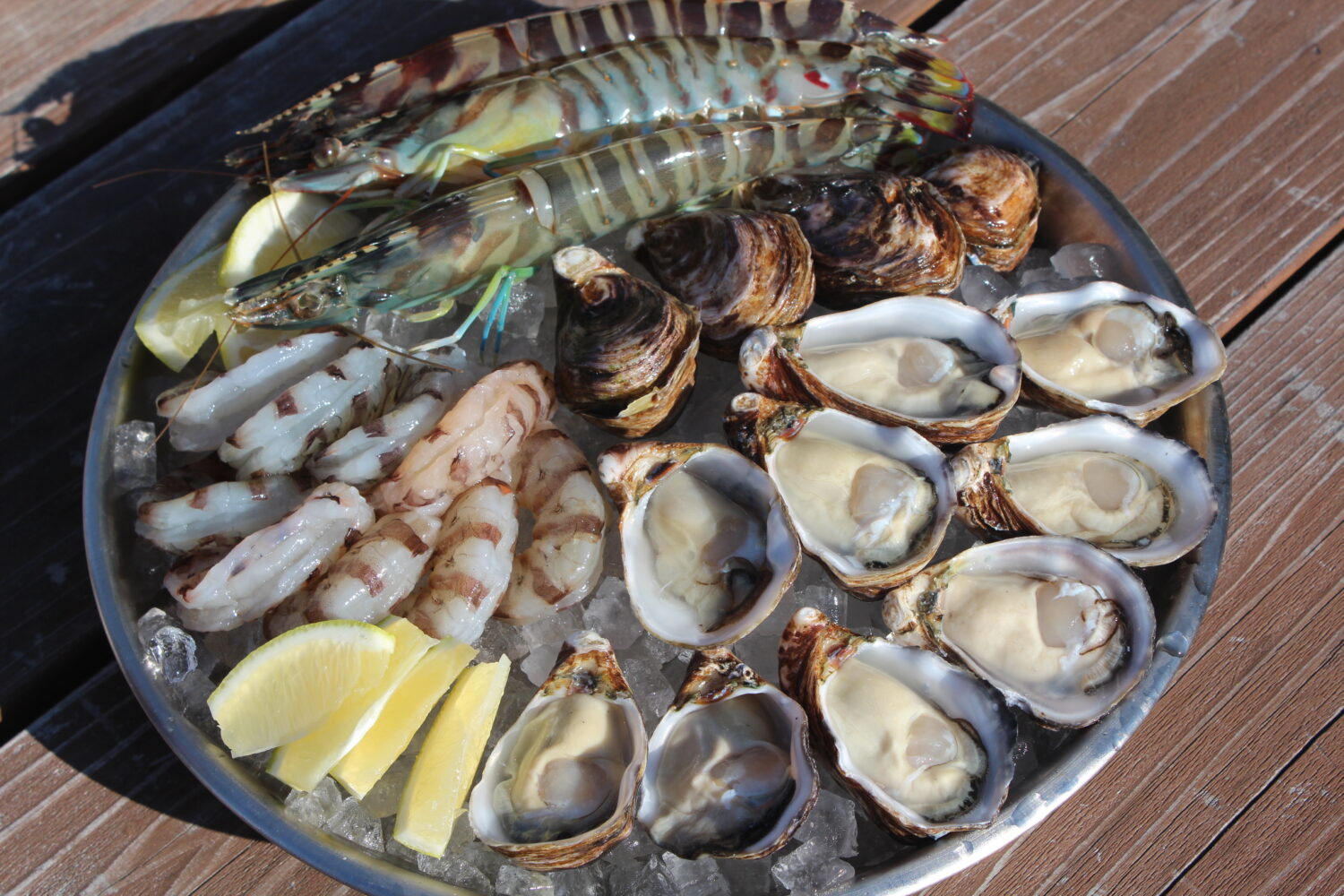
What is particularly captivating is that Suzuki cultivates the renowned French oysters Claire, celebrated for their quality, as well as striped tiger shrimp. He does so in a unique environment that blends mountain and sea waters. It is a conversation between continents, a melding of global methods, that brings a breath of fresh air and innovation to this part of Japan.
Upon tasting, the fresh products reveal a fleshy and iodine note: shrimp of incomparable tenderness, raw oysters, and homemade salt. Suzuki-san’s passion is infectious. “I believe the French can detect this unique Japanese scent when they arrive,” he says. “When I open a container of French oysters, it smells like France. It makes me just a little happy.” This poetic observation captures an essential truth: every place has its own sensory imprint, and what keeps it alive is precisely this mix of respectful influences.
Base Note: Transmission of knowledge
The return to the mainland is thoughtful. We head to Akitsu by taking small coastal roads.
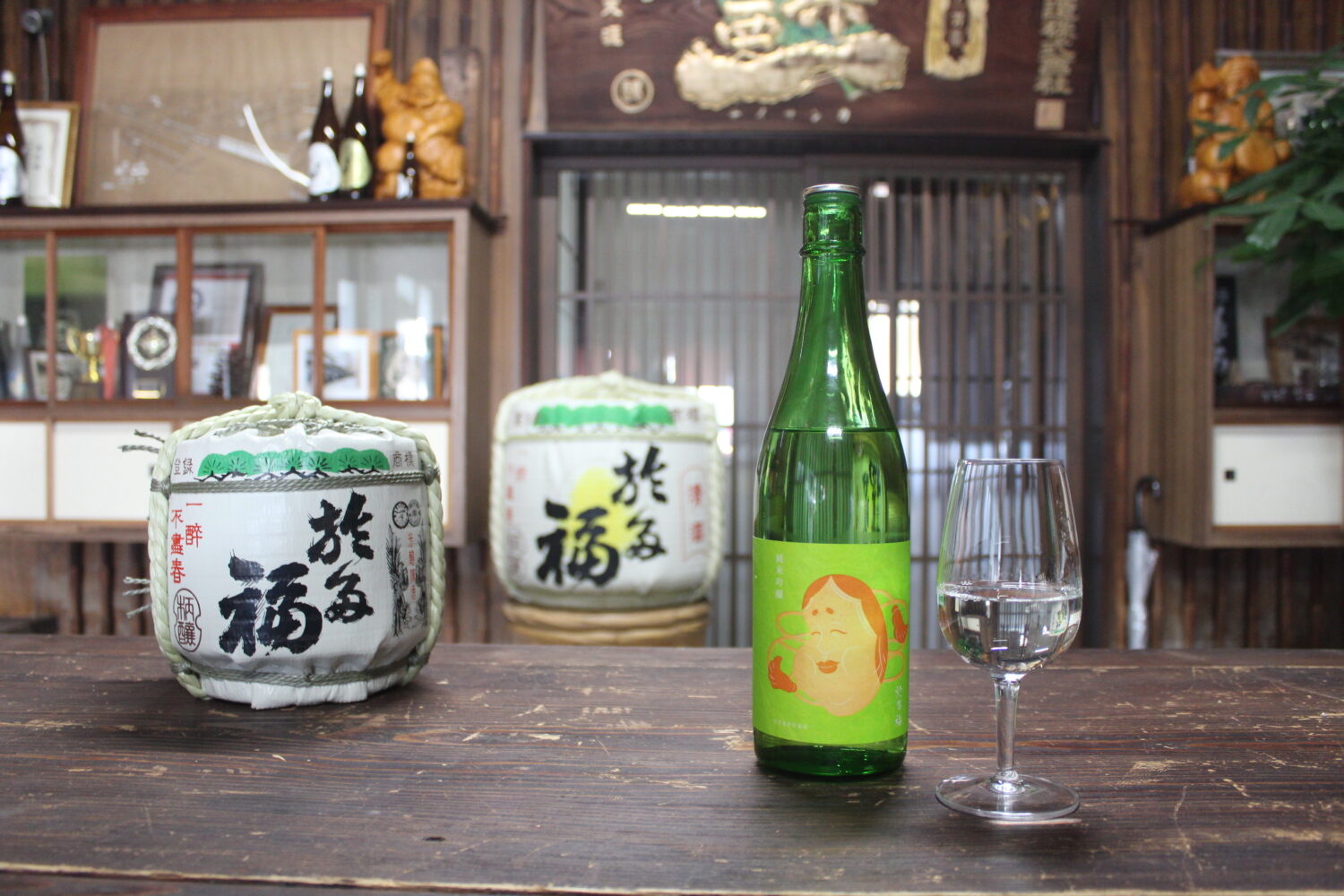
The historic brewery Tsuka Shuzo, founded in 1848, is now run by Soichiro Tsuka. Entering the ancient building, visitors are greeted with a unique scent: a blend of fermented rice, koji, and aged wood. Soichiro describes the traditional sake-making process, which distills centuries of expertise into a bottle. From polishing rice to slow fermentation, each step represents a legacy of craftsmanship.
The alcohol has a soft and changing taste, similar to a perfume that evolves on the skin.
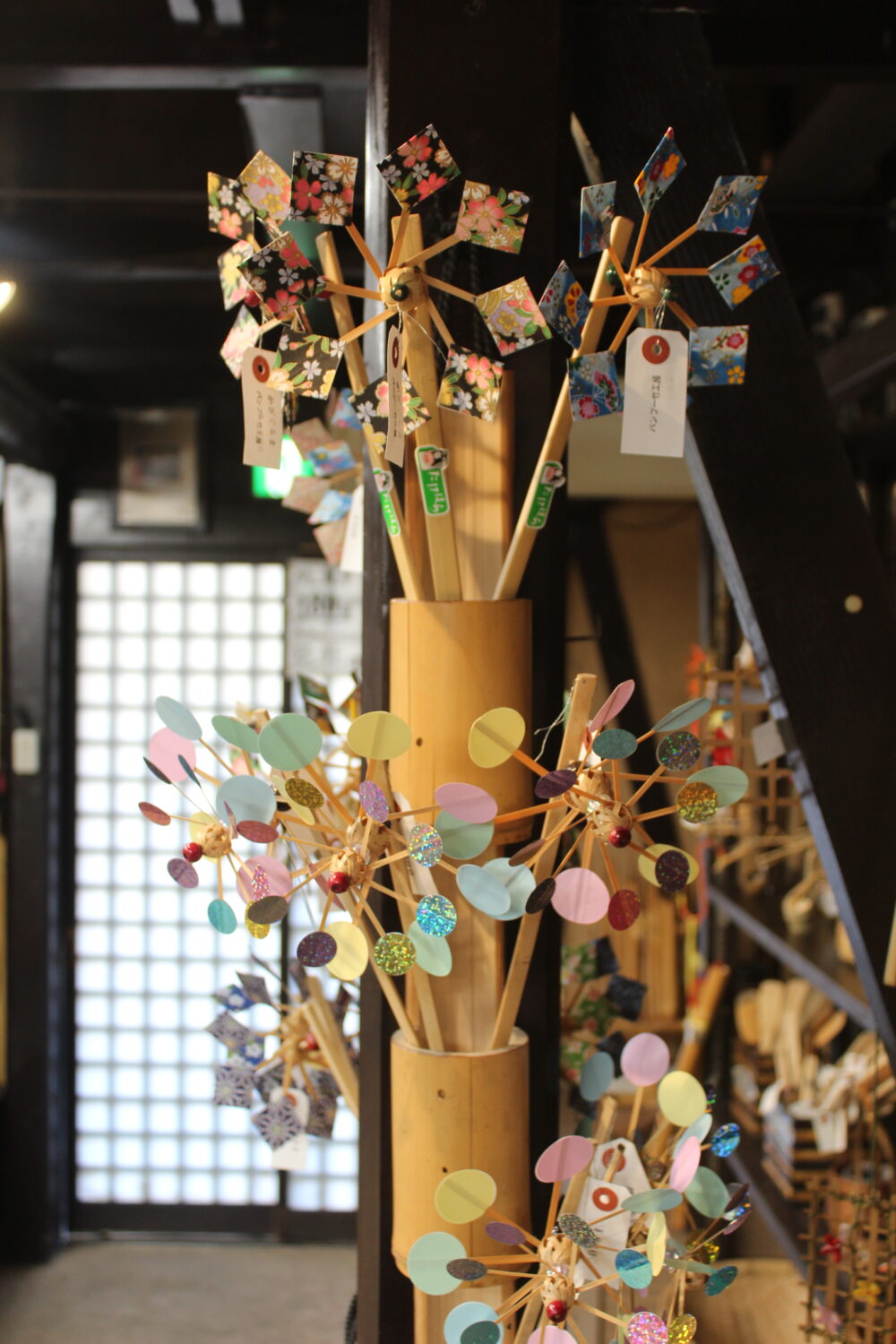
The journey ends in Takehara, where you learn to make bamboo products. In a simple workshop, you master the art of working with bamboo, using your hands, fibers, and tools. You become immersed in the meditative rhythm of manual labor, realizing that even seemingly insignificant gestures carry centuries of knowledge. We only learn to forget, but something is embedded within us.
The complete fragrance
Suzuki-san’s observation of “the scent of Japan” stays with you, perfectly describing the experience you can have in Kure.
A trip to Tokyo or Kyoto is unforgettable, with its neon lights, temples, and pachinko machines. However, these cities don’t fully reflect Japan. Kure, on the other hand, offers a unique experience. Its landscape, history, producers’ patience, subtle hospitality, knowledge transmission, and the complex flavor of its sake make it stand out. A philosophy emerges: ichigo ichie, the ability to appreciate the present moment and encounters.
Kure does not showcase a striking image to impress, but rather a more authentic and accurate portrayal of Japan. A real, authentic Japan, which we rediscover with each memory and which we return to seek.
By Isabelle VanSteenkiste, journalist.
Official website: https://kure-trip.jp/features/59