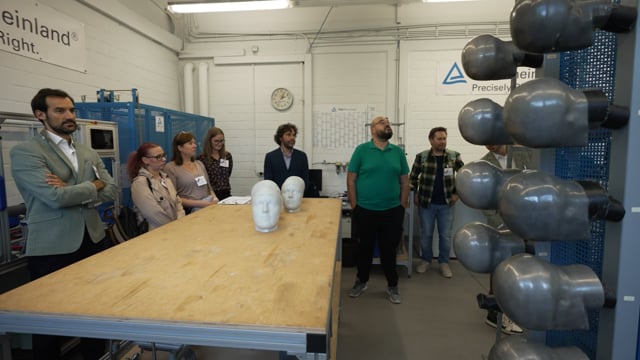
The campaign tested 70 helmets for cyclists, skateboarders and roller-skaters and 30 for skiers and snowboarders. Most of them, 79 %, provided the expected level of protection in laboratory tests for shock absorption, retention system performance, penetration resistance (skiing helmets only) and durability. The failures included:
- 2 skiing helmets failed shock absorption tests;
- 19 of 70 bicycle helmets failed (14 in one category of tests and five in multiple categories);
However, formal checks of markings and documentation revealed that 65 % of models did not meet the requirements of the Personal Protective Equipment Regulation. The aggregated results showed that 70 % of products had at least one performance or formal non-compliance. Only 30 % were fully compliant.
Market surveillance authorities (MSAs) in Belgium, Estonia, Finland, Germany, Iceland, Ireland, Malta, the Netherlands and Sweden sampled the helmets. Most (84 %) were bought online, the rest in physical stores, for an average of EUR 56.
Actions taken
MSAs rated 18 of the failures as serious risk and reported them on Safety Gate, the EU rapid alert system used to alert consumers about dangerous non-food products. Five products were withdrawn from the market, sales bans were imposed on 8 and 14 were recalled from consumers.
MSAs registered 49 products on ICSMS, the EU information and communication system for market surveillance. MSAs use the system to exchange information about product compliance and enforcement actions. For the remaining cases, MSAs are following up with economic operators.
What can you do?
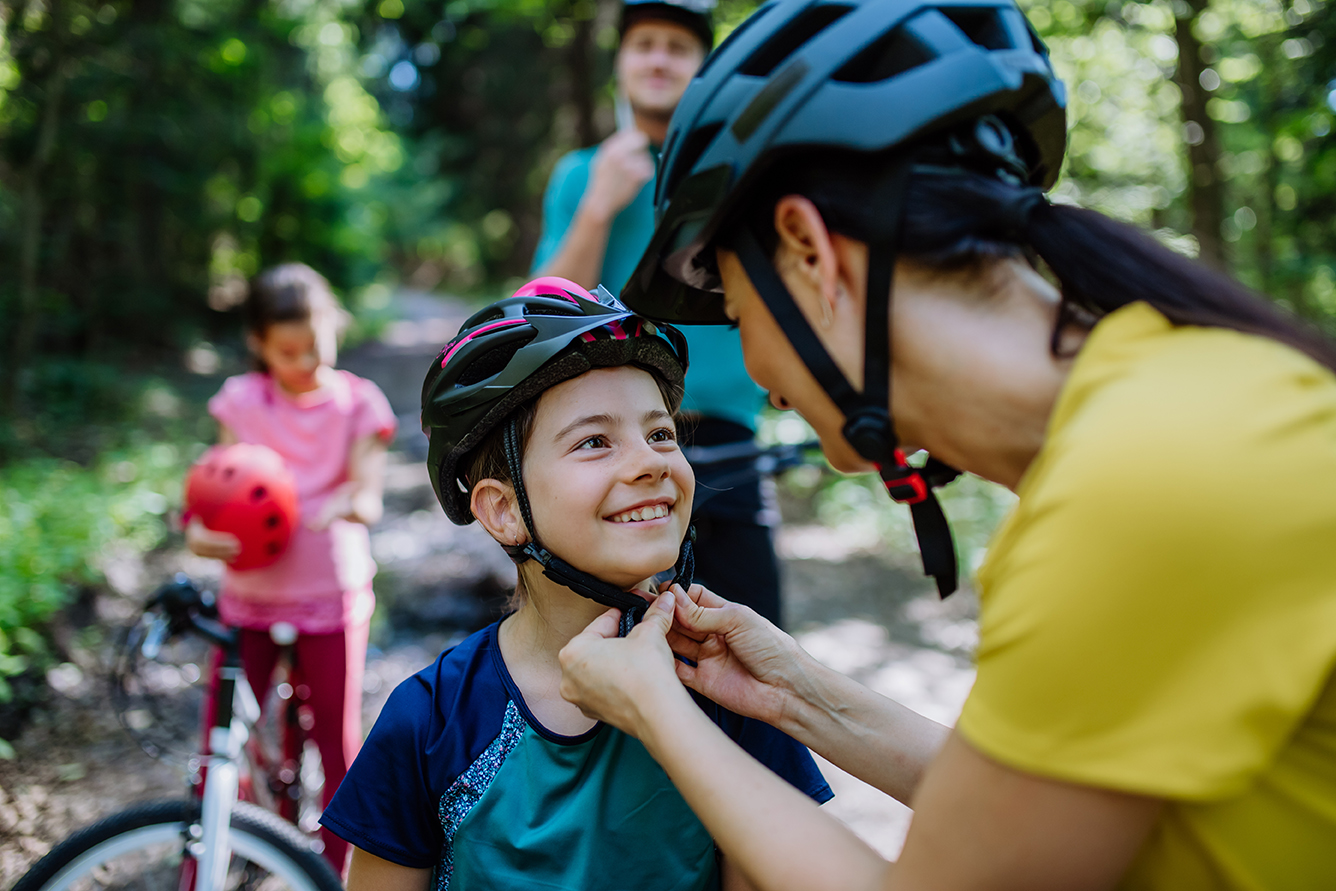
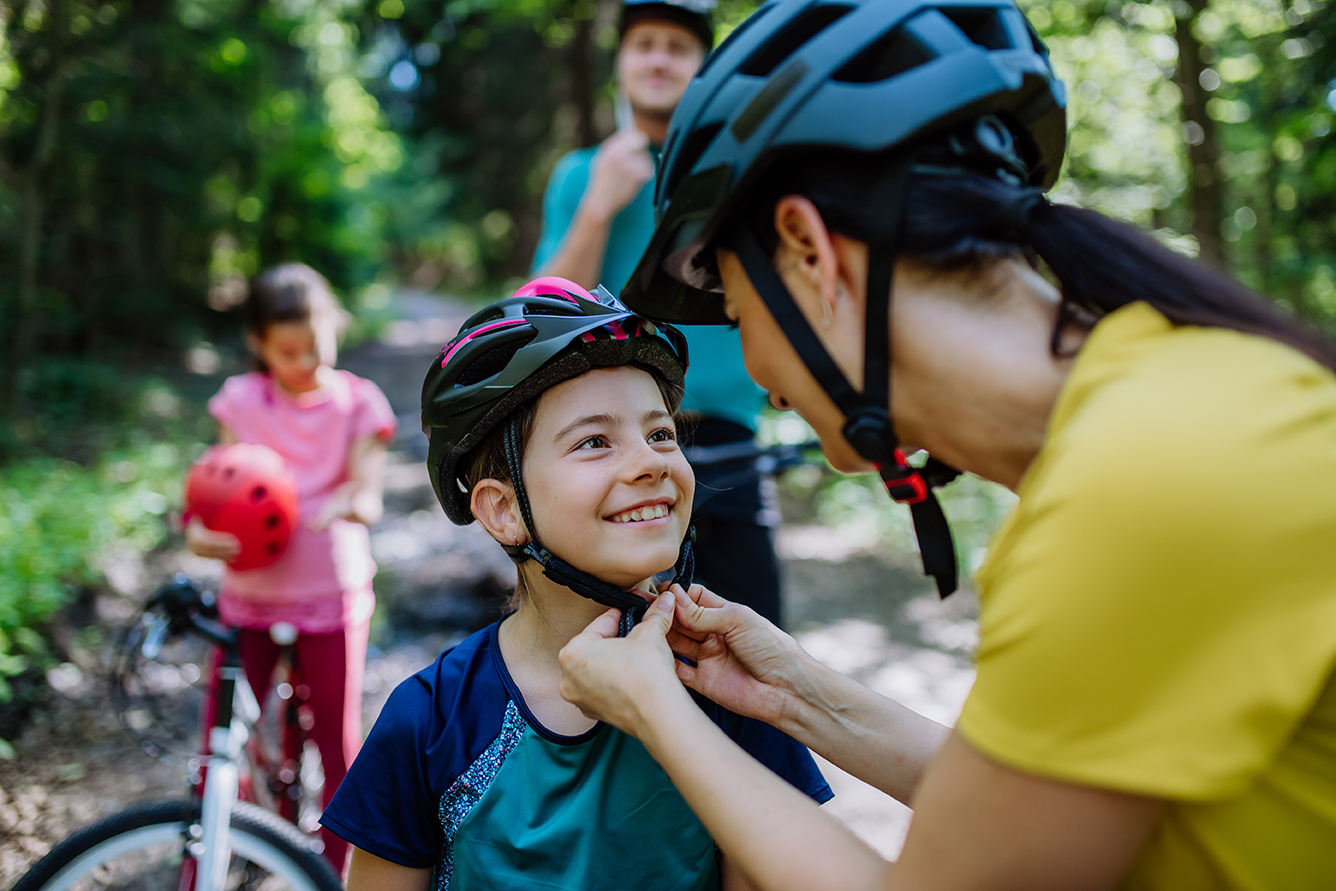
An EU-compliant helmet can reduce the severity of an injury. If you are buying a helmet for personal use, choose a CE-marked one that comes with clear instructions in your national language(s) and the EU Declaration of Conformity, or a link to it. Make sure the helmet fits correctly: if it does not fit right, it does not protect right.
Do not use helmets after their expiry period or after a severe impact, even if they look undamaged, as their protective properties may have been affected. Avoid buying second-hand helmets because their previous use and protective performance cannot be guaranteed.
If you are an economic operator, ensure that consumer helmets placed on the EU market comply with Regulation (EU) 2016/425 on personal protective equipment and meet the relevant European safety requirements. This includes complete and accurate technical documentation, CE marking, labels, instructions for use, warnings and EU Declaration of Conformity information.
Make clear fitting information available to consumers, especially online. As a manufacturer, ensure that accessories such as lighting systems or ski-goggle attachments do not negatively affect the helmet’s protective properties. Unsafe or non-compliant PPE can lead to withdrawals, recalls, Safety Gate notifications and liability risks.
EU-wide testing
The testing was done under the 2025 edition of the Joint Actions on Compliance of Products (JACOP) campaign in the EU and in EFTA countries. JACOP is a joint European market surveillance action that supports MSAs in checking whether products placed on their markets comply with EU regulations. The European Commission finances and coordinates this cooperation, helping MSAs share methods, compare findings and strengthen product safety enforcement across the single market.
“Market surveillance campaigns help to protect businesses from unfair competition and ensure that products sold on the single market keep consumers safe,” said DG GROW Policy Officer, Vanessa Capurso.
For more information, please contact: jacop2025@esn.eu
https://single-market-economy.ec.europa.eu/single-market/goods/building-blocks/market-surveillance_en