According to a study conducted by Data Observer for Synap and Augure (April 2026), 64% of journalists prefer in-person meetings. Human interaction therefore remains at the heart of public relations and is key to building a relationship of trust between communications professionals and journalists.
One of the ways to meet these expectations is through a press trip. When executed effectively, it can become a strategic tool for a communications department.
What is a press trip?
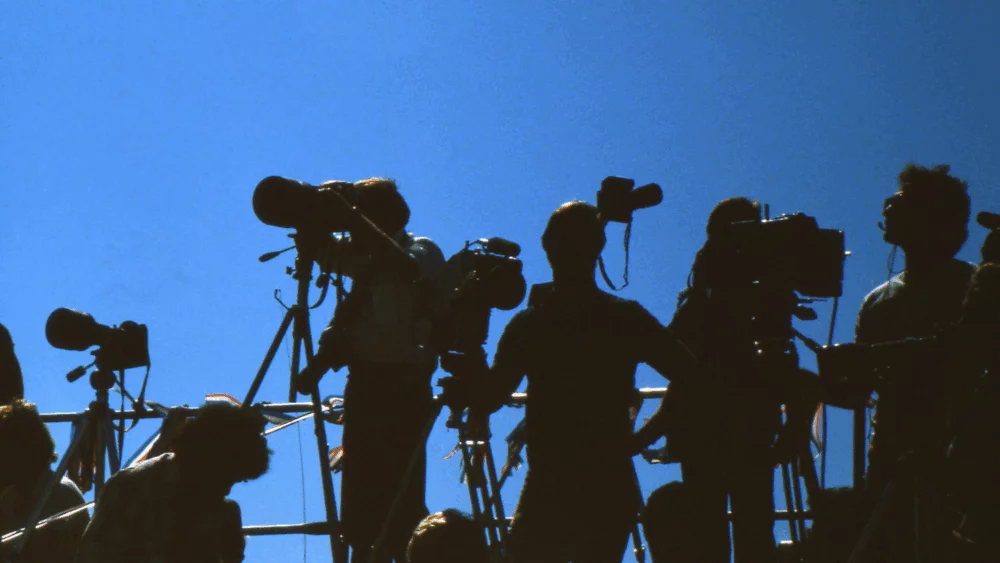
A press trip is when an organization, brand, or institution invites journalists to participate in an experience related to its business or current events. It can last several days and be organized for various occasions. Several occasions lend themselves to this: the inauguration of an industrial site, a visit by a public figure, a product launch, or the organization of an event.
The objective is clear: to secure credible media coverage by giving journalists something tangible to see, experience, or try out, rather than just theoretical information.
There are two formats for press trips. On the one hand, group press trips bring together several media outlets at the same time, allowing for shared costs and fostering a sense of group dynamics. On the other hand, individual “press trips” are more expensive but allow for personalized support and a special relationship with the journalist.
The choice between the two depends on the media coverage objectives and the strategy in place.
An Essential PR Tool
According to Mediaddress’s study “The Eye of Journalists on PR – Trends Europe 2026,” 44% of respondents receive more than 50 press releases every day, and 76% say they receive an excessive number. In this context, a press trip offers something an email cannot: a memorable experience.
A journalist who has visited a factory or met with teams on the ground has higher-quality editorial material than they would from a simple press release. The key challenge for communications professionals lies in their ability to meet these needs. What can we offer in terms of images? Interviews? Video clips? Story angles?
Paying close attention to journalists’ constraints will potentially translate into higher-quality content: longer articles, more accurate information, and better coverage.
How to Plan a Press Trip
The success of a press trip depends on thorough preparation well in advance of the big day. Here are a few steps to follow.
- Set a specific communication goal
-
Select journalists
This is the most strategic decision. Inviting thirty news outlets can dilute the exclusivity. On the other hand, inviting five publications that are perfectly aligned with the brand’s target audience to participate in the trip is generally more effective. You need to analyze the editorial lines of the media outlets in question, verify their actual audience reach, and ensure that your announcement aligns with the topics typically covered by the invited journalists. This type of event is also an opportunity to build strong relationships with them.
-
Put together the program
Once the journalists have been selected, it’s time to put together the itinerary. The itinerary should alternate between key events and informal moments. Highlights should be planned based on the needs of the newsrooms, as identified beforehand: interviews with specific individuals, dynamic segments, sound bites, etc. Informal moments are also essential. It’s often during lunches or while traveling that the best conversations and most interesting quotes take place. An overly packed schedule leaves no room for spontaneity.
-
Provide a media kit
We can provide materials to help journalists produce their content. However, this kit should not be a constraint: newsrooms must retain their editorial independence. For example, it includes key messages, visual elements, and story angles. Press contacts are also listed. Offering a flexible framework will help them in their work.
Press trips are therefore a promising PR tool. However, they remain a significant investment for a communications department. It is therefore important to take the time to identify the organization’s priority topics for which this approach is appropriate.
Ethics and Transparency
Beyond its appeal to communications professionals, the press trip can be a subject of debate in the journalistic community, particularly regarding ethical issues.
In October 2025, four journalists were invited to Brazil to cover energy and oil-related topics ahead of COP30. However, this invitation came from TotalEnergies.
The media outlet Arrêt sur Images is scrutinizing this PR campaign from an ethical and professional standpoint. According to Libération, the trip reportedly cost the company more than 2,000 euros per person. However, according to the recommendations of the Council for Journalistic Ethics and Mediation (CDJM) regarding press trips, “travel and lodging expenses related to an invitation to any event should never be paid by a third party.”
In a video published in April 2026, journalist and advisor Thierry Hornet cites the International Federation of Journalists’ (IFJ) Global Code of Ethics, which states that “a journalist must avoid any confusion between his or her work and that of an advertiser or propagandist.” This rule underscores the duty of transparency in newsrooms. It is necessary to specify when content has been produced as part of a press invitation. The designation “special correspondent” should therefore be avoided: it is reserved for trips funded by the media.
However, for some media outlets, as noted by a journalist interviewed by Arrêt sur Images, these press trips offer an opportunity to cover stories in areas that are difficult to access—particularly given the challenging economic climate facing the media.
What role do content creators play?
In recent years, invitations to press trips have been extended to content creators. Videos shot in hotels, while traveling, or even at the Cannes Film Festival have become increasingly common on social media.
This shift requires a rethinking of formats: influencers’ expectations are not the same as those of journalists.
Having both types of participants in the same program can work, provided it’s planned in advance so that everyone can work under the right conditions. Having a journalist on the show is never a guarantee of subsequent coverage. As for influencers, it is possible to pay them to secure a campaign. Of course, creators must comply with transparency laws and not forget to include the label “sponsored” or “invited.”
In 2026, press trips are strategic tools that allow brands to take the time to build high-quality media coverage around a news story. This enables the brand to stand out in a world saturated with content. When well-prepared and targeted at the right media outlets, they offer human experiences and authentic stories—sources of connection and lasting visibility. The key: treat every invited journalist as an editorial partner, not as an advertising conduit.
To learn more, contact us and schedule an appointment.