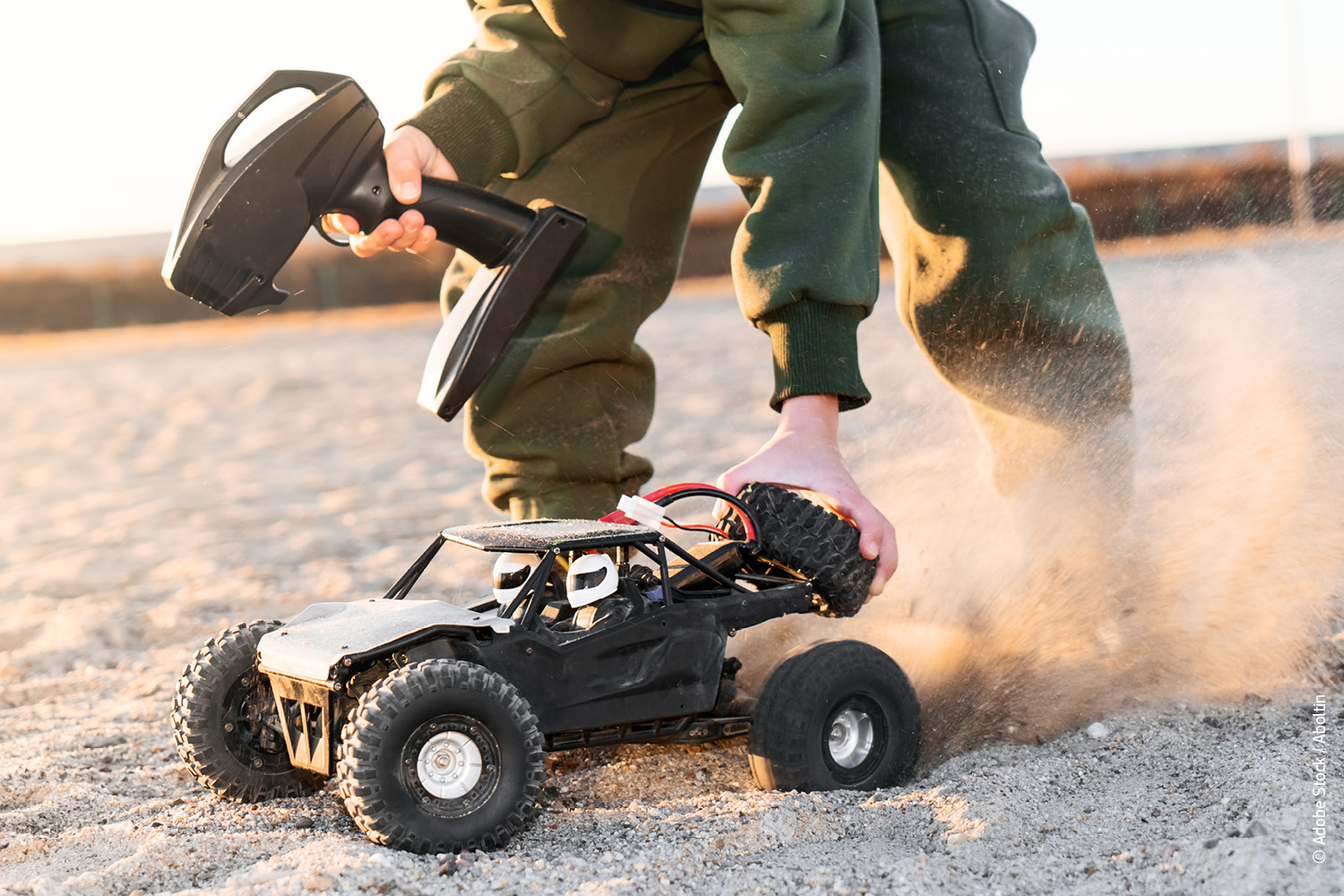
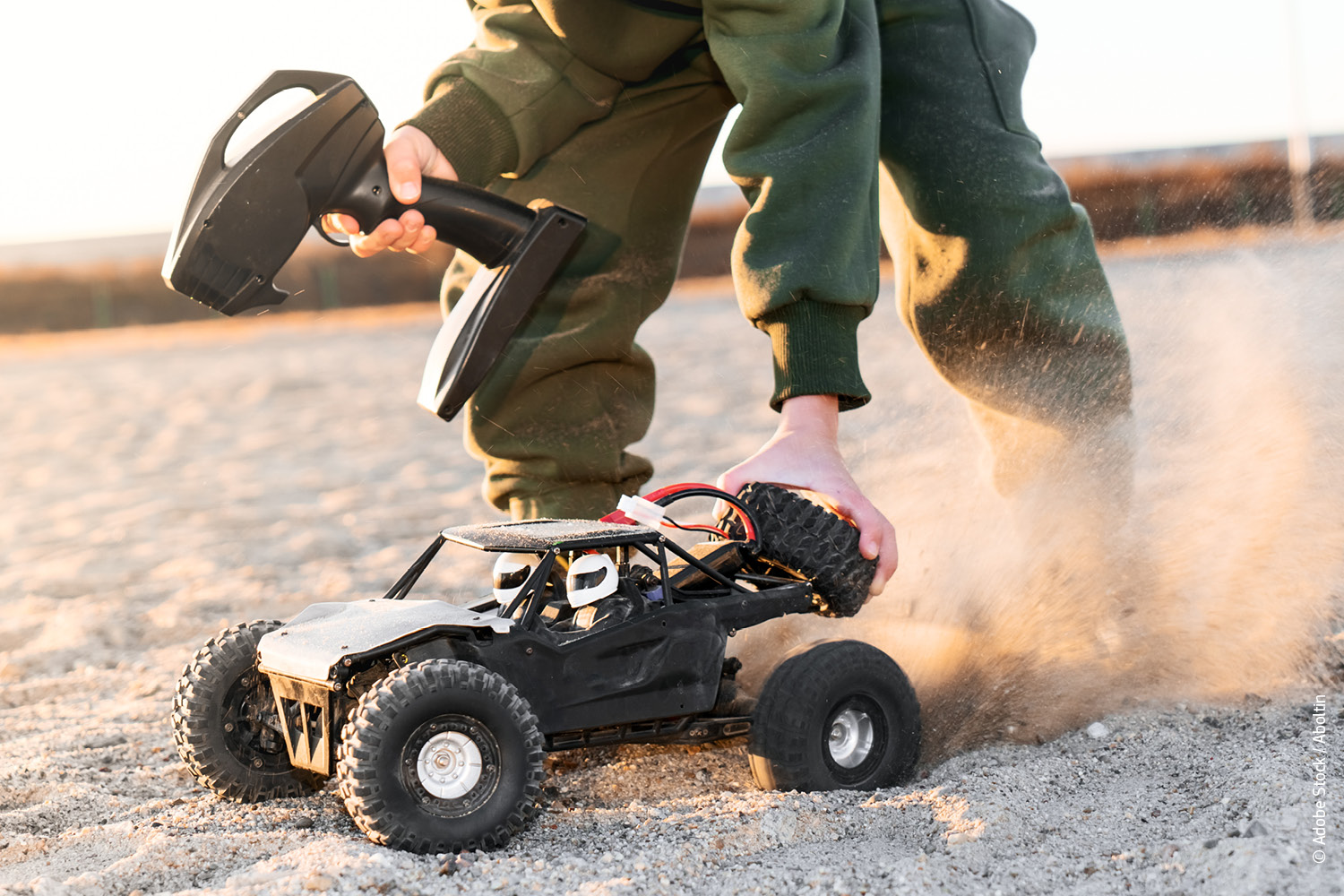
The samples tested included radio-controlled (RC) vehicles, walkie-talkies and laptops for children, electronic pets, robots, music players and speakers. They had an average price of EUR 40.
Results
The failures included 36 of 50 RC vehicles, all 16 boats and trains, 14 of 16 walkie-talkies and smart toys, and 3 of 6 radio toys not operating in the 2.4 GHz band.A principal cause of the interference detected was spurious emissions – signals generated on a frequency outside the necessary bandwidth. Another was radiated power – the strength of the signal of a transmitter in a specific direction. If this exceeds certain limits, the signal can disrupt other devices.
In addition to laboratory testing against the applicable standards, market surveillance authorities checked if the samples carried the required warnings, markings and instructions. A total of 61 samples (63 %) were found to be non-compliant. When combined with the laboratory testing results, a total of 71 samples (81 %) failed to meet the requirements.
Samples from 13 countries
The samples tested were sourced by market surveillance authorities (MSAs) from 13 countries: Belgium, Cyprus, Czechia, France, Ireland, Latvia, Lithuania, Luxembourg, Malta, the Netherlands, Portugal, Slovakia and Switzerland. Two-thirds (67 %) were bought online, the rest in physical shops.About one-third of them were manufactured in China, the rest in the EU, as well as the US, UK and Taiwan.
Sales bans
Investigations into the failings are continuing. So far, MSAs have asked economic operators of seven products to change or improve them. Sales bans have been imposed on 22 products and 58 non-conforming products have been listed on the EU’s Information and Communication System on Market Surveillance. This platform allows MSAs to share test results to coordinate enforcement and keep unsafe, non-food products off the market. Consumers are advised to avoid purchasing toys without a CE mark and to check that user manuals and safety instructions are available in the national language(s) of their country.
Economic operators must know which legislation applies to their products and ensure that all technical documentation is complete and available. This includes the outcome of risk analysis and assessment. They should be mindful of their obligations and ensure that the manufacturer has completed the right conformity assessment procedure, including fulfilling the requirements for the markings of the product, manual and packaging. They need to maintain accountability at every stage of the supply chain, cooperate with authorities and provide information to MSAs when requested. Official EU sources that can be consulted include the Radio Equipment Directive, the RED Guide and the information sheet on placing radio equipment on the market.
JACOP 2025
The testing was carried out under the 2025 edition of the Joint Actions on Compliance of Products (JACOP) campaign in the EU and in EFTA countries. JACOP enables MSAs to harmonise their working methods, jointly test products, determine risks and enforce corrective actions. A total of 11 product types were evaluated.“Market surveillance campaigns help to protect businesses from unfair competition and ensure that products sold on the single market are safe for consumers,” said DG GROW Policy Officer, Vanessa Capurso.