A Pilgrimage to the Place of Origin
Far from Tokyo and Kyoto, Yame City in Fukuoka Prefecture, with a population of just under 60,000 people, has become a popular destination for tourists from Thailand. Matcha from Japan is enjoying a global boom and has also become popular in Thailand. Yame-produced matcha is particularly well regarded for its little bitterness and mellow sweetness. As a result, devoted enthusiasts are traveling to Yame to visit the place where it is produced.An observation deck overlooking vast tea fields has become a popular photo spot for Thai visitors. At the direct sales shop operated by the matcha producer Ochamura, customers often spend tens of thousands of yen worth on products, saying they are less expensive than buying them in Thailand. The facility also features a café with views of the tea fields, where visitors can enjoy items such as rich matcha lattes and gelato. Since last summer, the shop has employed a Thai staff member, Matchareeya Takahashi. Her name, which includes the word “matcha,” has also attracted attention. She says: “I’m delighted that, as Yame matcha has become better known, more people in Thailand have come to enjoy it. I hope visitors from Thailand will discover the unique appeal of matcha that can only be experienced here in Yame.”
Yame is also home to Cha no Bunkakan, a museum where visitors can learn about the history and culture of tea. Thai tourists who tried making matcha with a bamboo tea whisk said they enjoyed the experience. “It was my first time learning how matcha is prepared and the proper way to drink it. I’m happy to have experienced Japanese culture,” one commented.
Kimono Rentals and Tea Ceremony Experiences Popular with Visitors
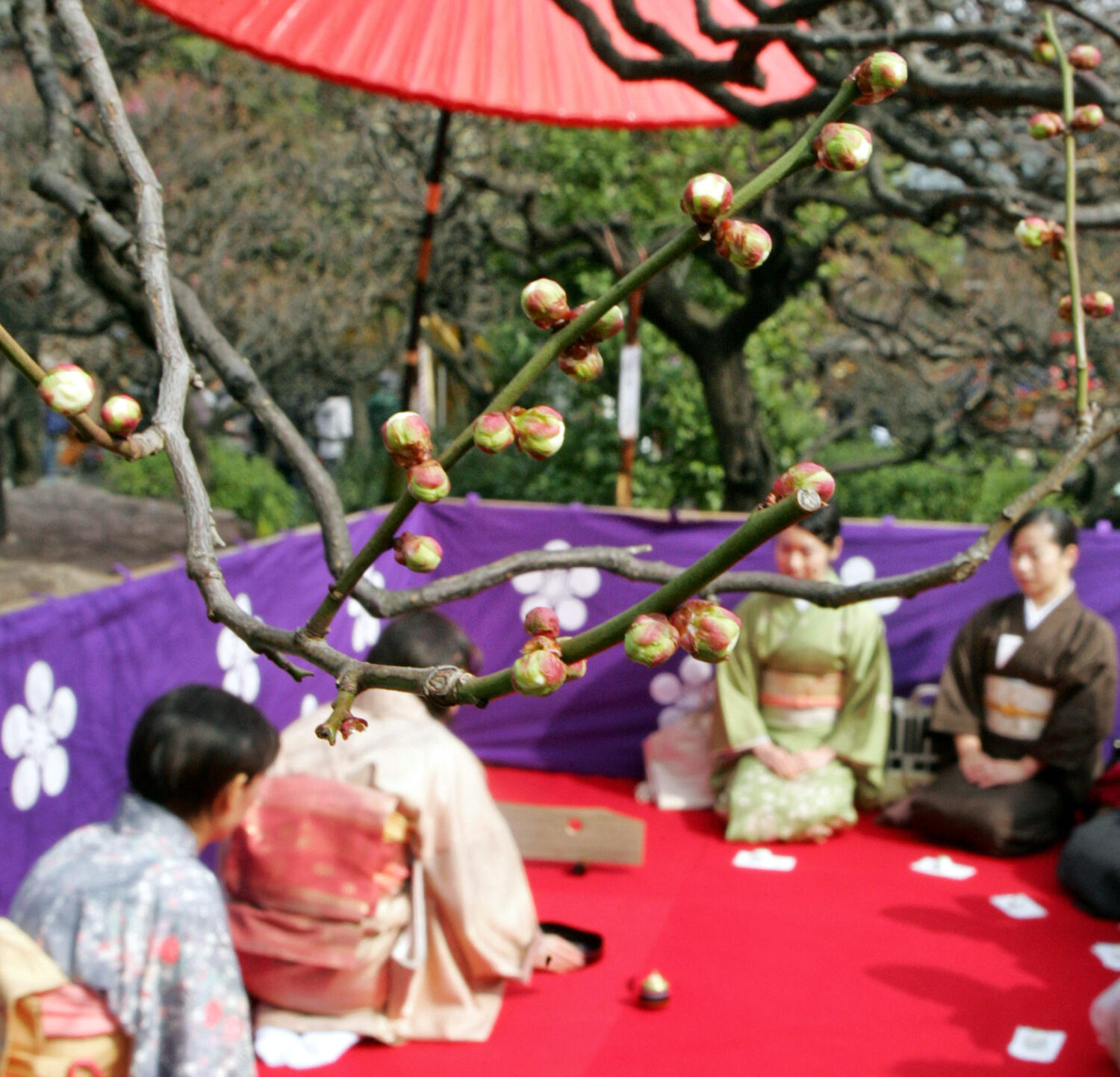
An increasing number of international visitors want to experience Japan’s traditional culture firsthand. Around Kiyomizu-dera Temple in Kyoto, one of the most popular tourist areas in the ancient capital, foreign visitors strolling in kimono have become a familiar sight in recent years. Many kimono rental shops offer services in English and other languages, allowing customers to choose a full set—including a kimono, obi sash, and bag—for around 3,000 to 6,000 yen. Decorated with colorful patterns inspired by Japan’s seasonal landscapes and everyday life, kimonos are especially popular among visitors, some of whom say wearing one feels as though they are “wearing Japanese culture and art itself.”Private facilities in Kyoto offering tea ceremony and calligraphy experiences in tea rooms converted from traditional machiya townhouses, with services available in English, have been ranked among the top entries in Tripadvisor’s “Top Experiences - Japan,” a category on one of the world’s largest travel platforms.
The Beauty of Japan’s Four Seasons in Scenery and Cuisine
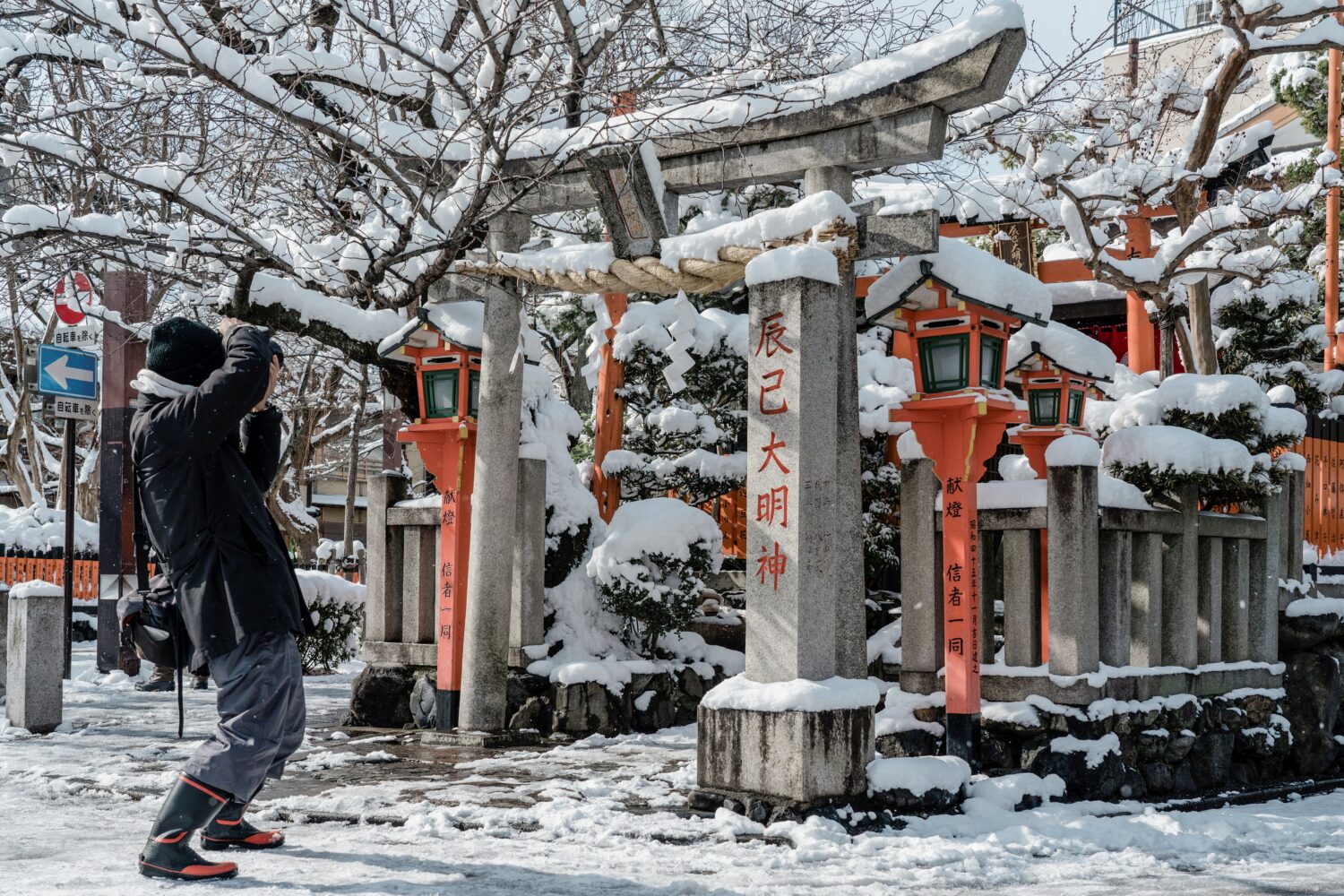
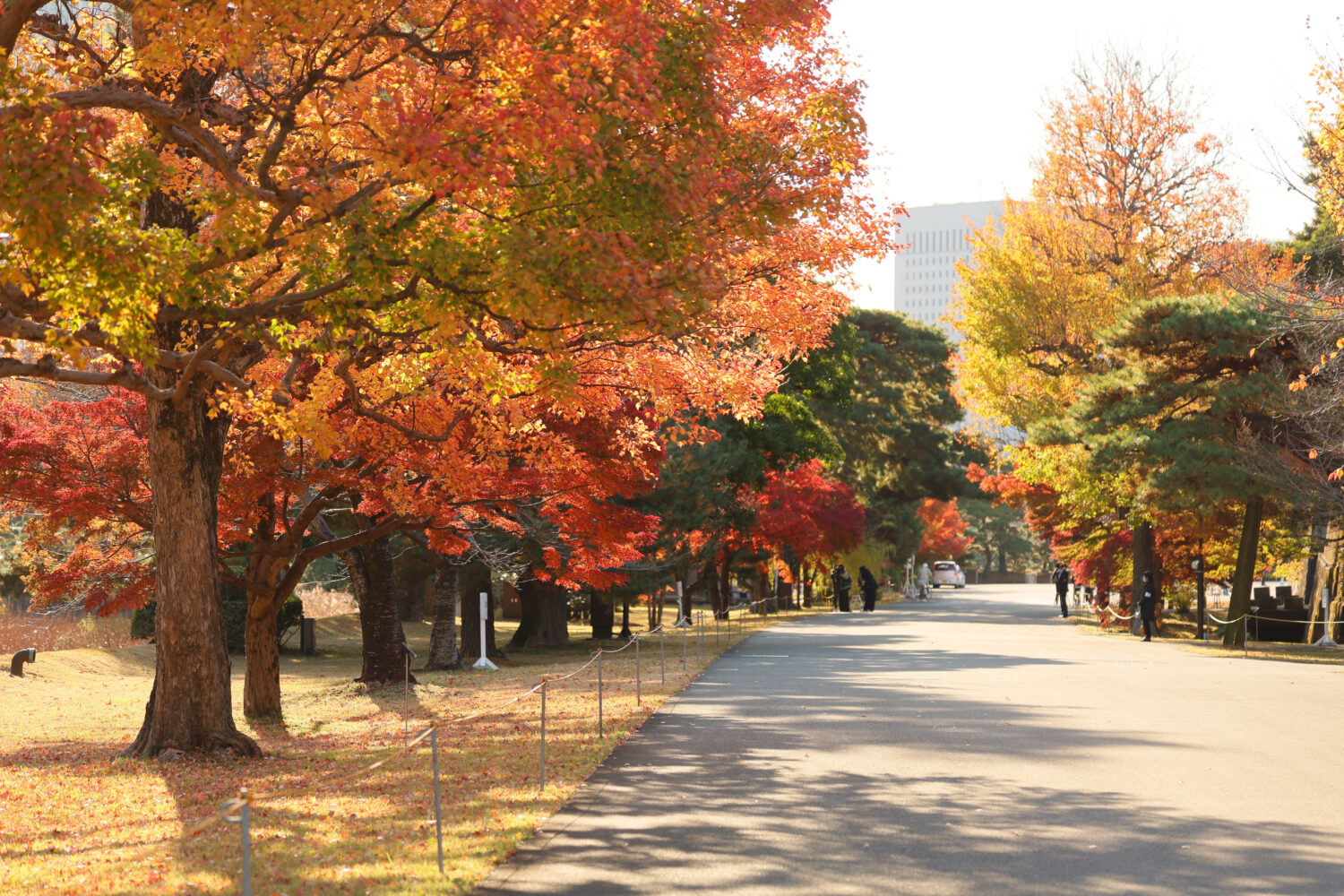
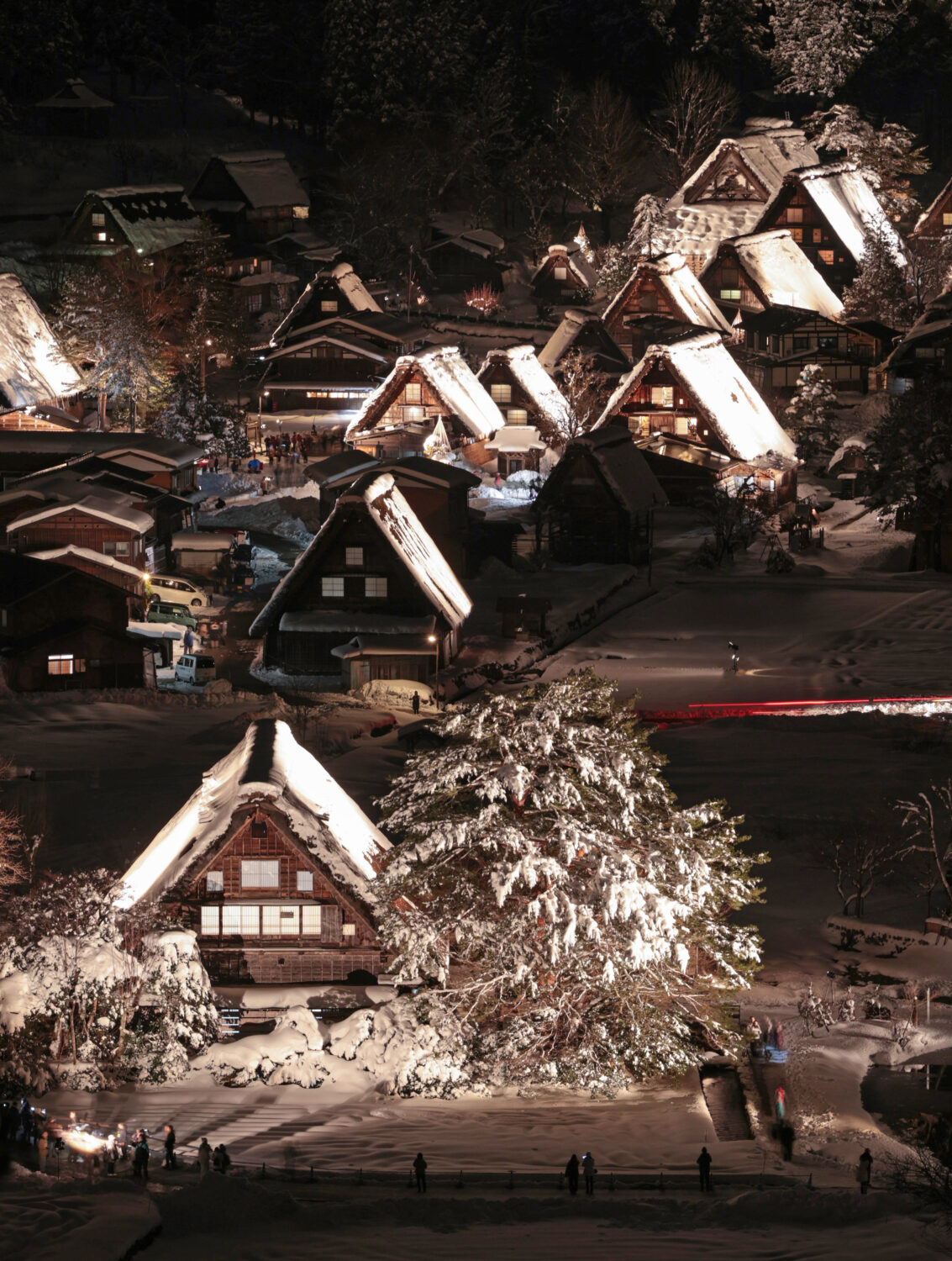
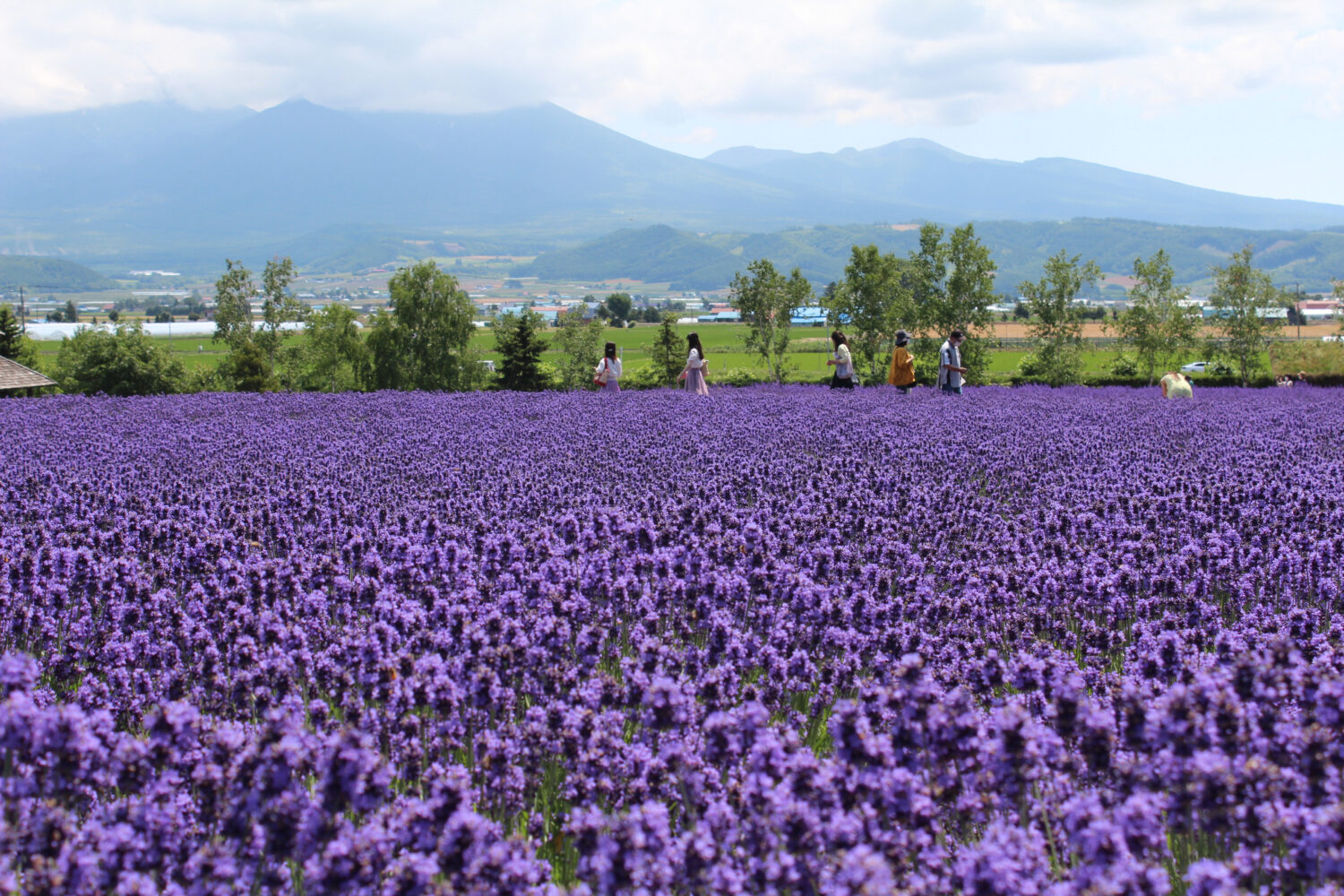
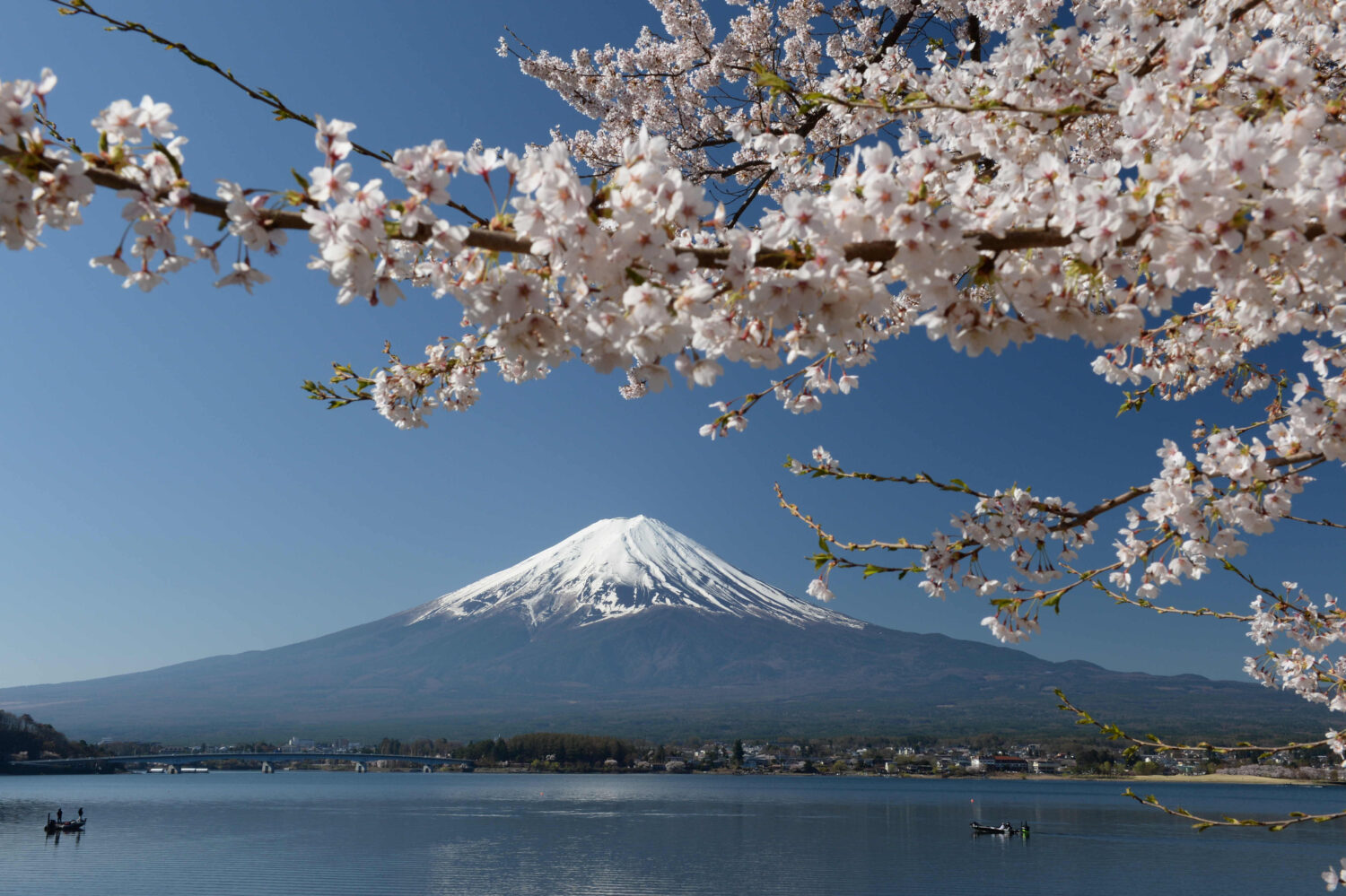
For people living in the tropical climates of Southeast Asia, Japan’s four distinct seasons are especially appealing.In spring, cherry blossom viewing spots can be found across the country, including Ueno Park in Tokyo. In summer, visitors are drawn to the lavender fields of Biei and Furano in central Hokkaido, as well as resort destinations in Okinawa. In autumn, vivid foliage in shades of yellow, orange, and red attracts travelers to places such as Arashiyama in Kyoto and Hakone in Kanagawa. In winter, visitors can enjoy snowy landscapes such as Shirakawa-go in Gifu—famous for its traditional Gassho-style farmhouses with steep thatched roofs—alongside hot springs and ski resorts throughout the country.
Japanese cuisine beautifully reflects the changing seasons. In spring, people enjoy dishes such as bamboo shoot rice, thinly sliced sea bream sashimi, and tempura made with wild mountain vegetables. Summer brings salt-grilled sweetfish, chilled somen noodles, and grilled eel. In autumn, seasonal favorites include chestnut rice, salt-grilled Pacific saury, and matsutake mushrooms served in an earthenware teapot. In winter, dishes such as pufferfish hot pot, braised yellowtail with daikon radish, and crab dishes highlight the flavors of the season. Using seasonal ingredients and bringing out their natural taste, these dishes continue to delight diners both visually and on the palate.
Japanese cuisine would not be complete without wagashi, traditional Japanese confections. Items such as sakura mochi, kashiwa mochi, mizuyokan, and chestnut-based treats not only use seasonal ingredients but also reflect seasonal scenery and shapes in their design—a distinctive feature of wagashi.
Stories of the Four Seasons Connect Cultures
According to the Japan National Tourism Organization (JNTO), the top five reasons Indonesians visit Japan are spring cherry blossoms, Japanese cuisine, winter snow, shopping, and festivals. Many express a desire to see scenery such as cherry blossoms, snow, and autumn foliage—landscapes not found in equatorial Indonesia. For people in Thailand, where light clothing can be worn year-round, the chance to wear sweaters and coats is itself a kind of novelty, and dressing for Japan’s spring, autumn, and winter seasons offers a unique experience. In Malaysia, tours combining the Golden Route linking Tokyo, Mount Fuji, Kyoto, and Osaka with snowy destinations such as the Tateyama Kurobe Alpine Route and Shirakawa-go have become increasingly popular.
In the Philippines, peak travel periods such as Holy Week (March or April) and school holidays (April to May, late October to early November, and December) coincide with Japan’s cherry blossoms, autumn foliage, and snow seasons, boosting demand for travel to Japan. In Vietnam, the association of Japan with Mount Fuji is deeply ingrained, and many travelers say that seeing Mount Fuji is one of their main reasons for visiting Japan.
Just as Thai matcha enthusiasts who visit Japan come to realize that matcha is not merely a beverage but is deeply connected to the tradition of the tea ceremony, experiencing many aspects of Japan’s traditional culture helps international visitors gain insight into the history and spirit of the Japanese people, shaped by the changing seasons and the country’s rich natural surroundings.
More than half of visitors from Southeast Asia to Japan are young travelers in their 20s and 30s. Generation Z and millennials place a high value on the “stories” behind products and on authenticity. Japan’s traditional culture greatly stimulates their intellectual curiosity, helping foster a growing number of people who better understand and appreciate Japan.
By Akio Yaita
Journalist. Graduated from the Faculty of Letters at Keio University.
After completing his doctorate at the Chinese Academy of Social Sciences, he worked as a correspondent for the Sankei Shimbun in Beijing and as Taipei bureau chief. Author or co-author of many books.
*The stories and materials above are provided by JIJI.press or AFPBBNews. Feel free to feature these stories in your own media, as long as they are properly credited.