This dual signal, graduation and roadmap, positions this island state of 235,000 inhabitants as a structured partner for private investors, climate finance actors and public-private partnership stakeholders. Four sectors are targeted: biodiversity, blue economy, premium cocoa and ecotourism.
The pressroom
São Tomé and Príncipe presents a 2026–2040 investment strategy following its graduation from least developed country status
São Tomé and Príncipe presents a 2026–2040 investment strategy following its graduation from least developed country status
Press release -
Published on tuesday 7th april 2026 at 16h00
In December 2024, São Tomé and Príncipe officially graduated from the category of least developed countries (LDCs). Shortly after, in December 2025, the Gulf of Guinea archipelago presented in Brussels a national sustainable development strategy through 2040 and an Integrated National Financing Framework (INFF).
Share this article on social networks
Graduating from LDC status represents a major transition for São Tomé and Príncipe: it comes with a reduction in international aid and heightened budgetary constraints. The country responds with an approach that is unprecedented at this scale: aligning public and private capital, climate finance and development finance within a single framework. The National Strategy 2026–2040 and the INFF together form the foundation of this structured proposal to international partners.
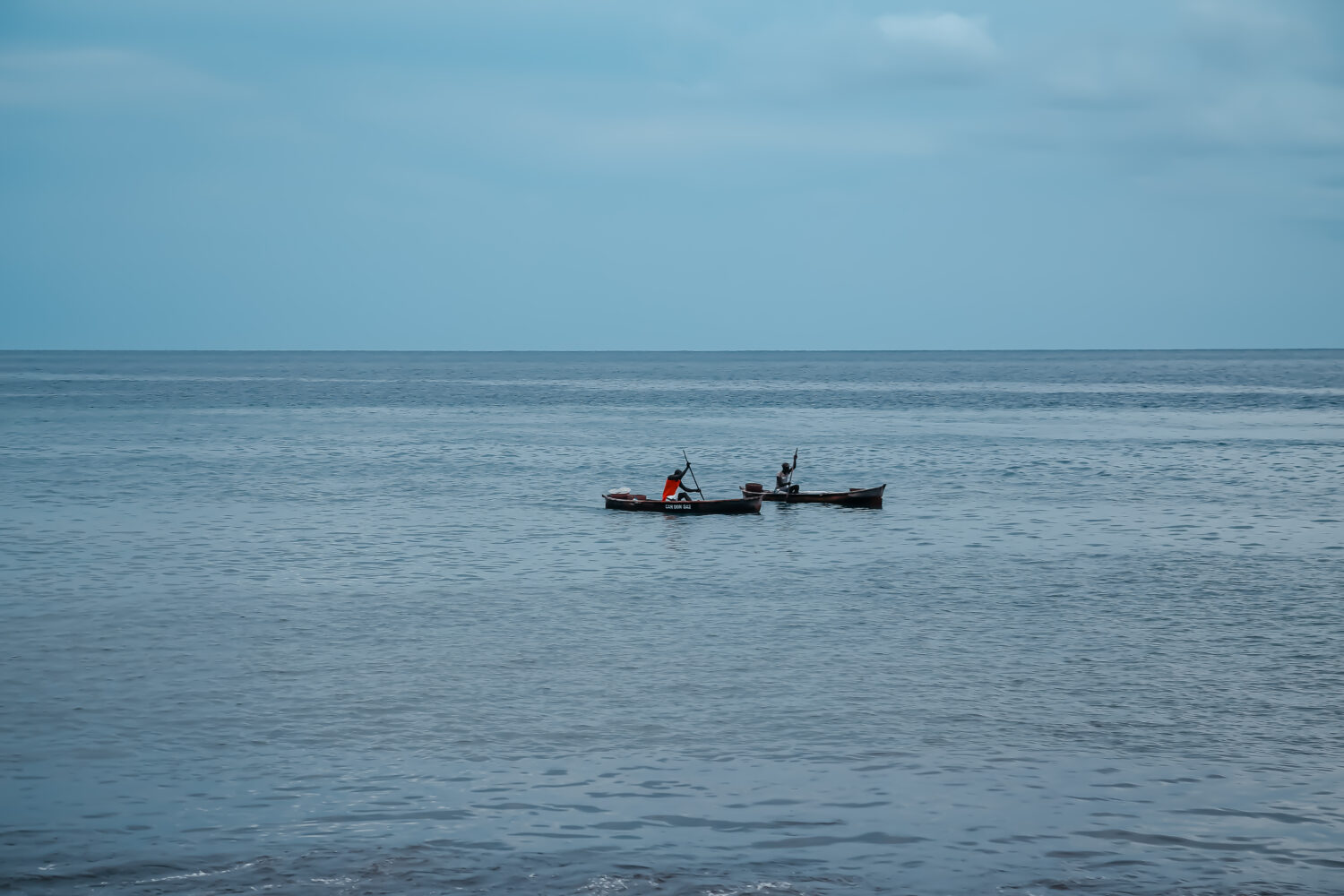
While São Tomé and Príncipe's land territory is modest, its exclusive economic zone (EEZ) covers approximately 160,000 square kilometres of ocean, nearly 160 times the size of its land surface. Located along major Atlantic routes, the archipelago oversees waters that have remained largely intact. The blue economy, encompassing sustainable fishing, marine sciences, biotechnology, ocean data services and offshore renewable energy, is identified as one of the most undercapitalised pillars of future global growth. São Tomé and Príncipe is positioning itself to develop this resource within sustainable models from the outset.
São Tomé and Príncipe produces cocoa recognised for its exceptional quality, with output estimated at around 4,000 tonnes. In volume terms, the country remains a small player. Yet on European markets now shaped by anti-deforestation regulations, carbon accounting and traceability requirements, the position is differentiating. The identified lever is not the export of raw beans, but the creation of local value: premium chocolate, traceable brands, agrotourism, and partnerships that reward quality over volume.
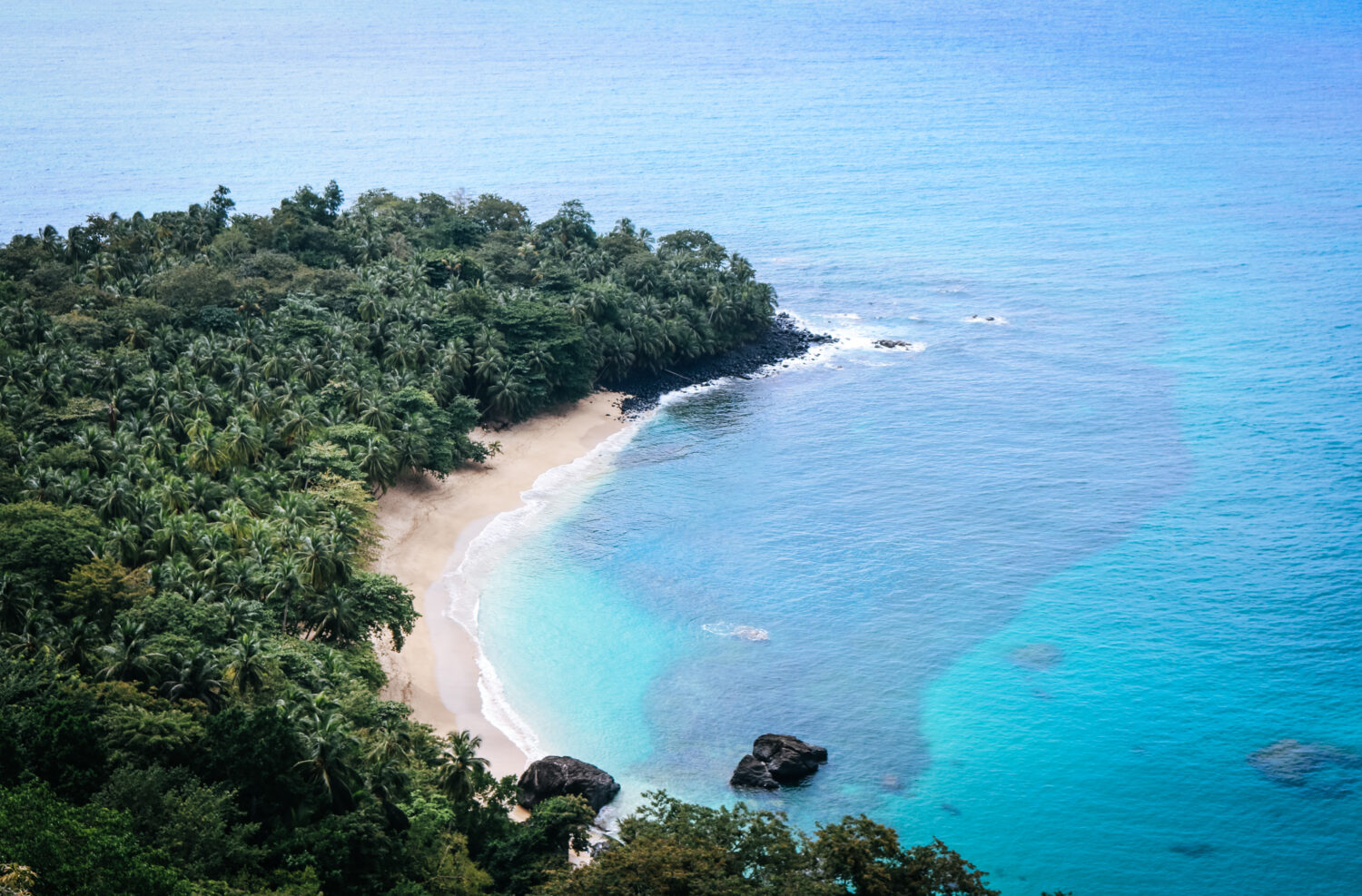
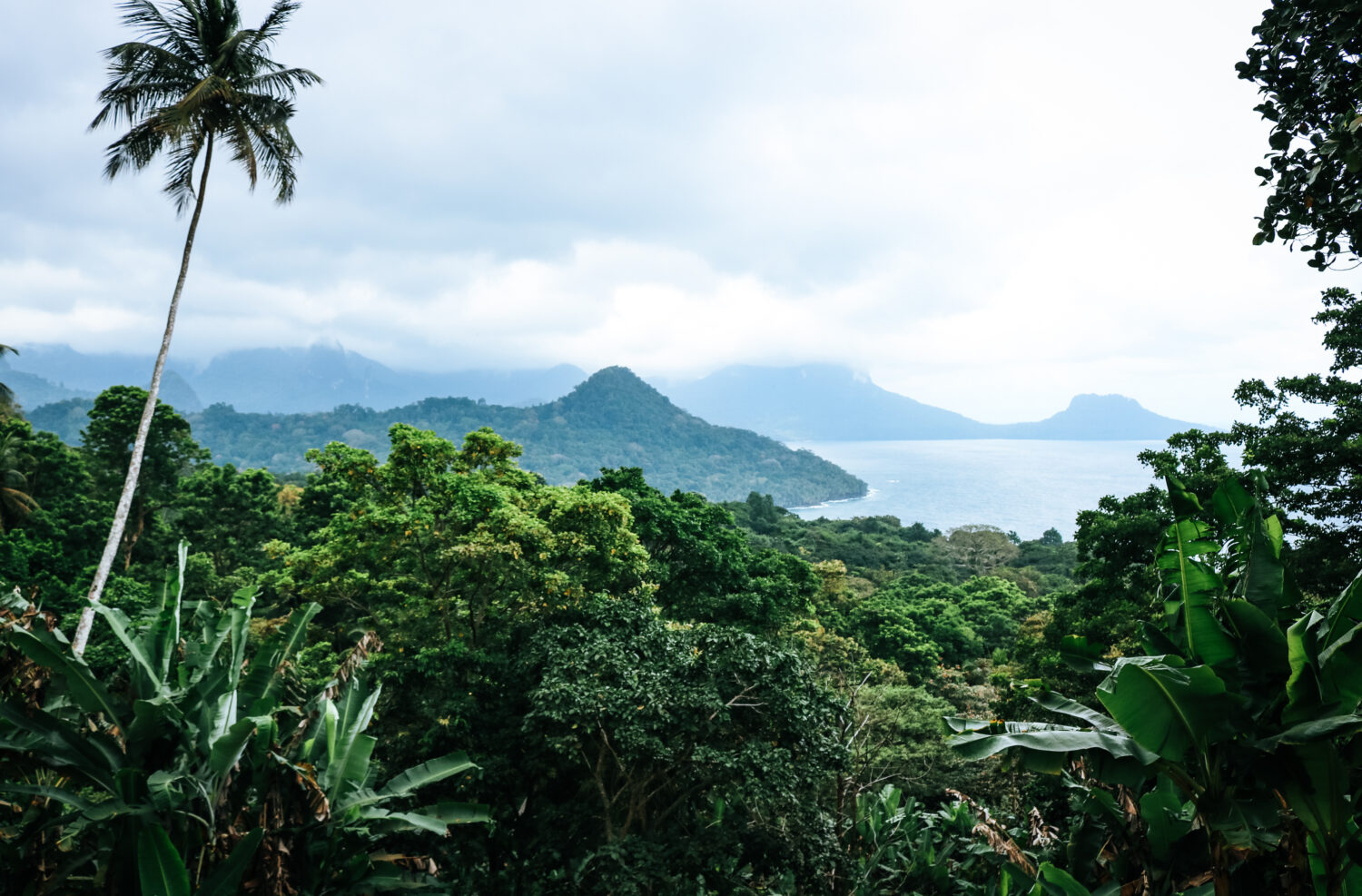
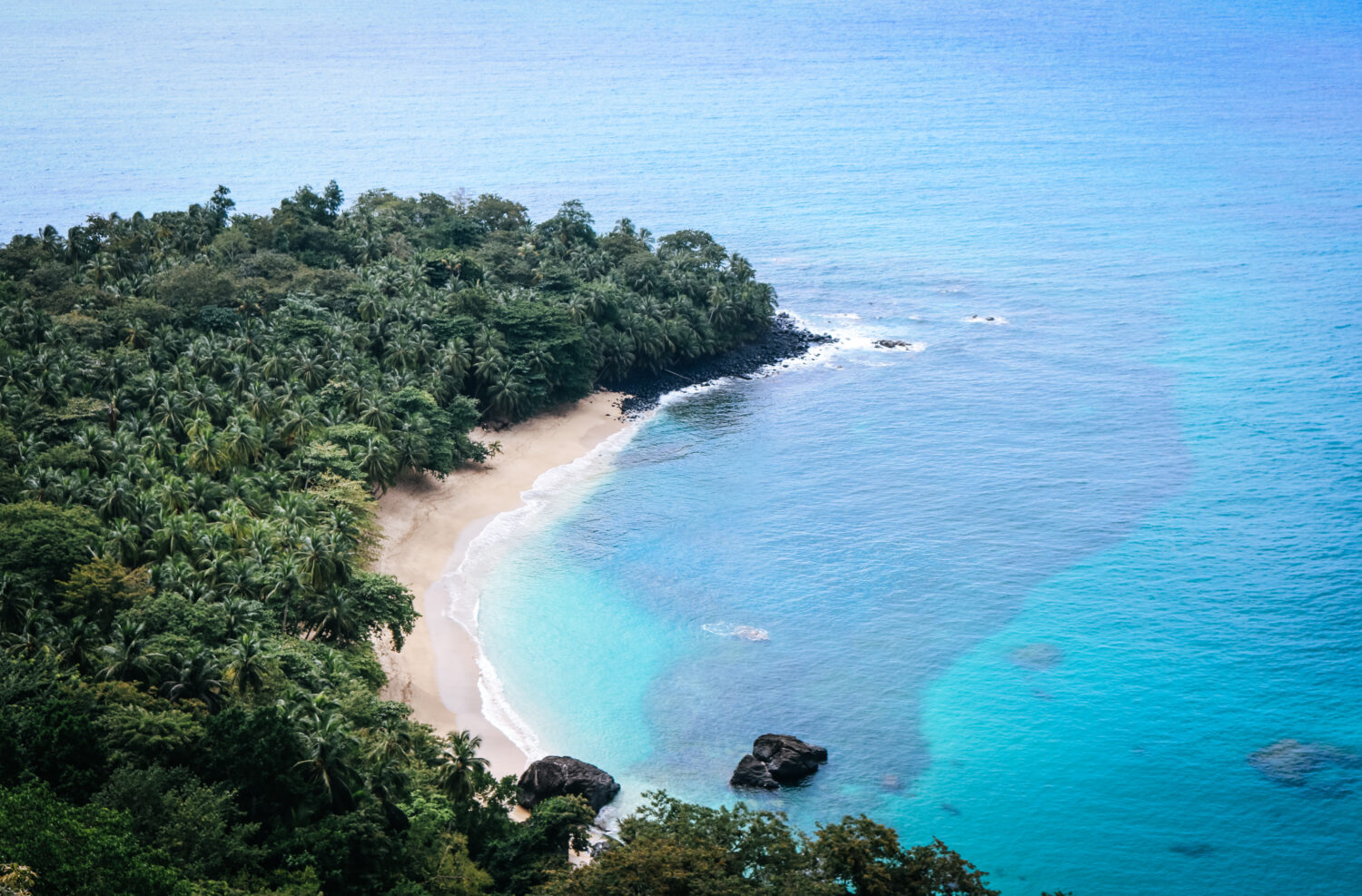
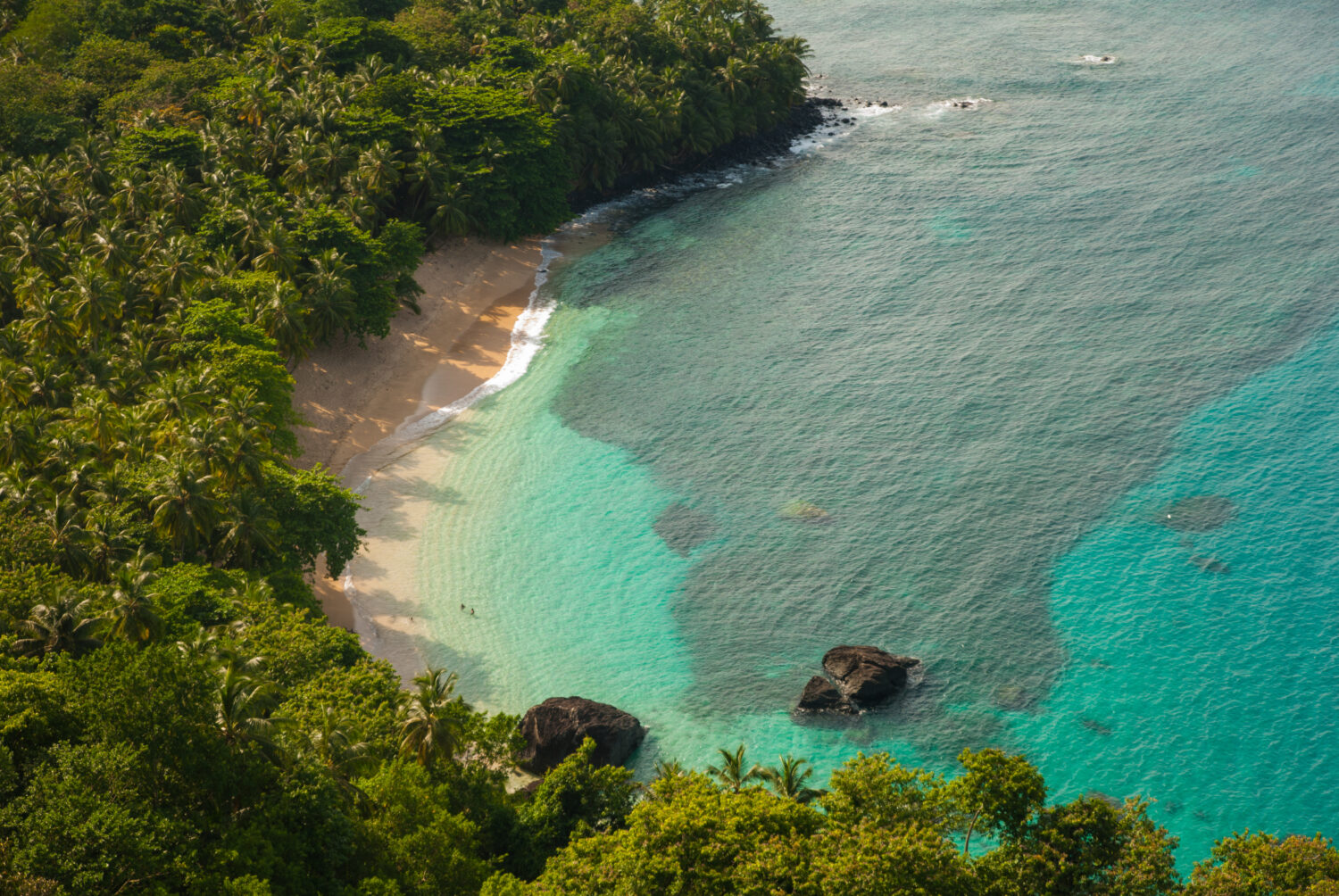
No cruise terminals, no artificialised coastlines. São Tomé and Príncipe remains untouched by mass tourism. The strategy focuses on high unit-value models: boutique hospitality, conservation-based tourism and scientific travel, where returns are measured in decades rather than seasons. For investors exposed to the volatility of saturated destinations, the opportunity lies in structuring an ecotourism value chain before the destination is discovered.
In a region often viewed through the lens of risk, São Tomé and Príncipe stands out for its tradition of stable democracy and orderly transfers of power. This political context forms the foundation on which the investment proposal presented in Brussels in December 2025 is built.
Contact
Ugochukwu Kingsley Ahuchaogu
Regional Communications and External Engagement Specialist
+251980654949ugochukwu.kingsley@undp.org
Media
Download all media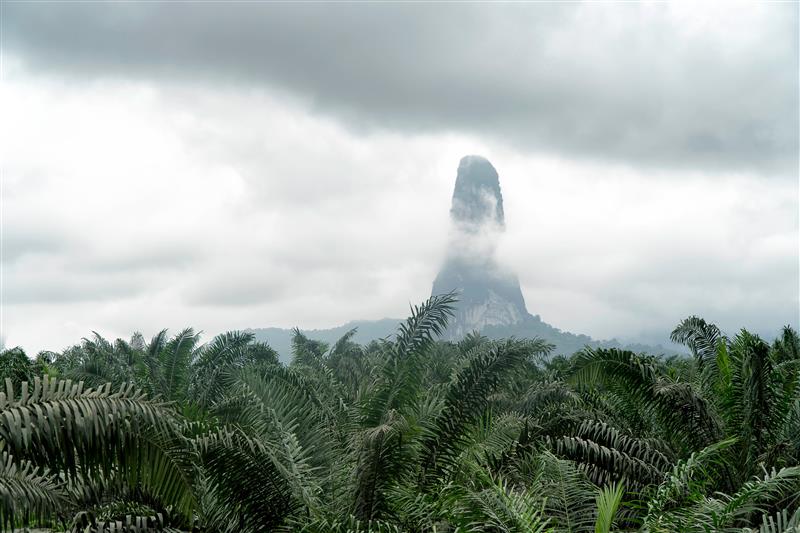
Login to
download this media
AdobeStock240926116-jpeg
ORIGINAL SIZE : 2560x1684px (6,12 Mo)
Login to
download this media
AdobeStock240926184-jpeg
ORIGINAL SIZE : 2560x1684px (8,35 Mo)
Login to
download this media
AdobeStock262109442-jpeg
ORIGINAL SIZE : 2560x1714px (5,17 Mo)