【August 5, 2026, Tokyo】
Tokyo is no stranger to heat and other extreme weather, as well as being one of the world's most densely populated cities, home to over 14 million people. Discover three ways Japan’s capital is working to keep people safe in the face of climate challenges, and see how resilience can be woven into everyday life, communities, and businesses.
One of their solutions is an AI- and cloud-based platform that visualizes weather and flood risk, which is particularly important in Tokyo, where sudden, localized downpours can overwhelm infrastructure. The platform helps estimate inundation risks specific areas face, supporting earlier precautions and better planning.
The increasing heat is also a major concern that must be addressed, as if a large disaster hits in summer and air conditioning stops, temperatures in homes and other buildings can quickly become life-threatening.
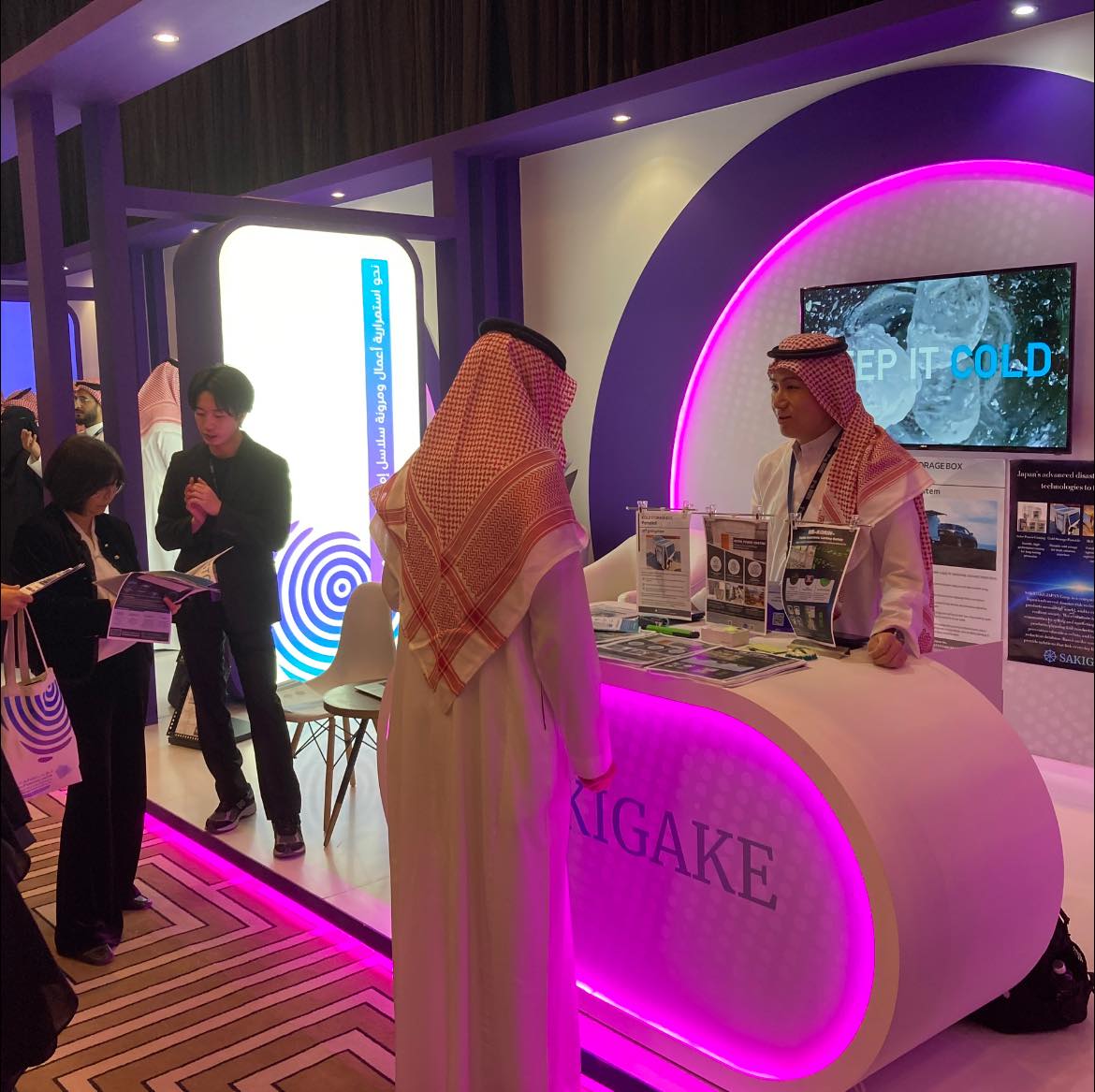
Mobile cold-chain solutions could address that gap. Portable refrigeration units used for events and logistics in normal times, can then shift to evacuation support for food, beverages, and medicine during emergencies. In addition to being movable, they can operate off-grid when external power is lost, enabling faster, more localized responses when transport and utilities are disrupted.
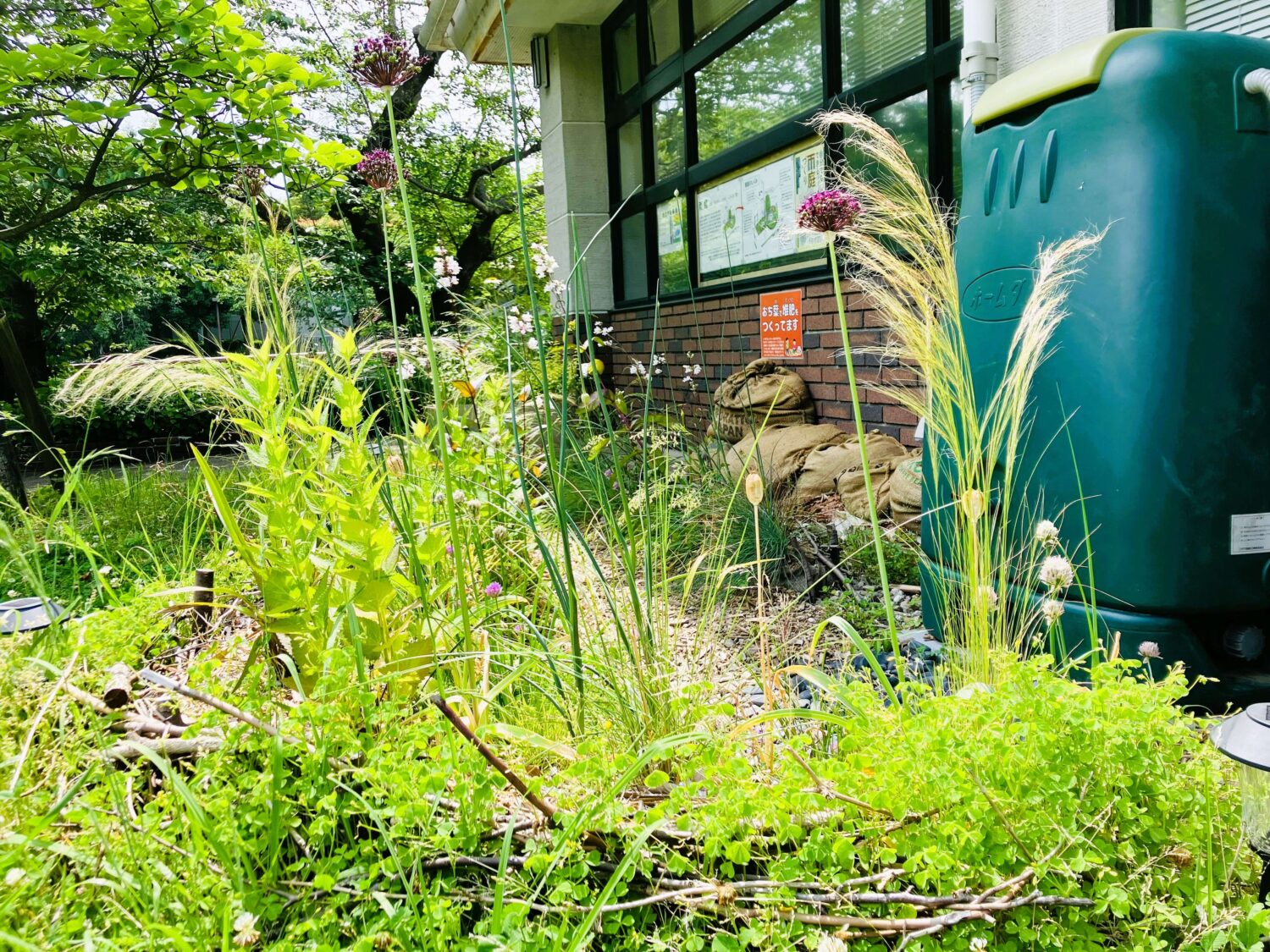
A rain garden collects rainwater from roofs and paved surfaces, holds it temporarily, and allows it to gradually soak into the ground. This helps reduce urban flooding and ease the heat island effect, among other benefits. Rainwater stored in tanks can also be used for watering gardens or during emergencies.
Tokyo is no stranger to heat and other extreme weather, as well as being one of the world's most densely populated cities, home to over 14 million people. Discover three ways Japan’s capital is working to keep people safe in the face of climate challenges, and see how resilience can be woven into everyday life, communities, and businesses.
Everyday Readiness: Making Resilience Part of Daily Life
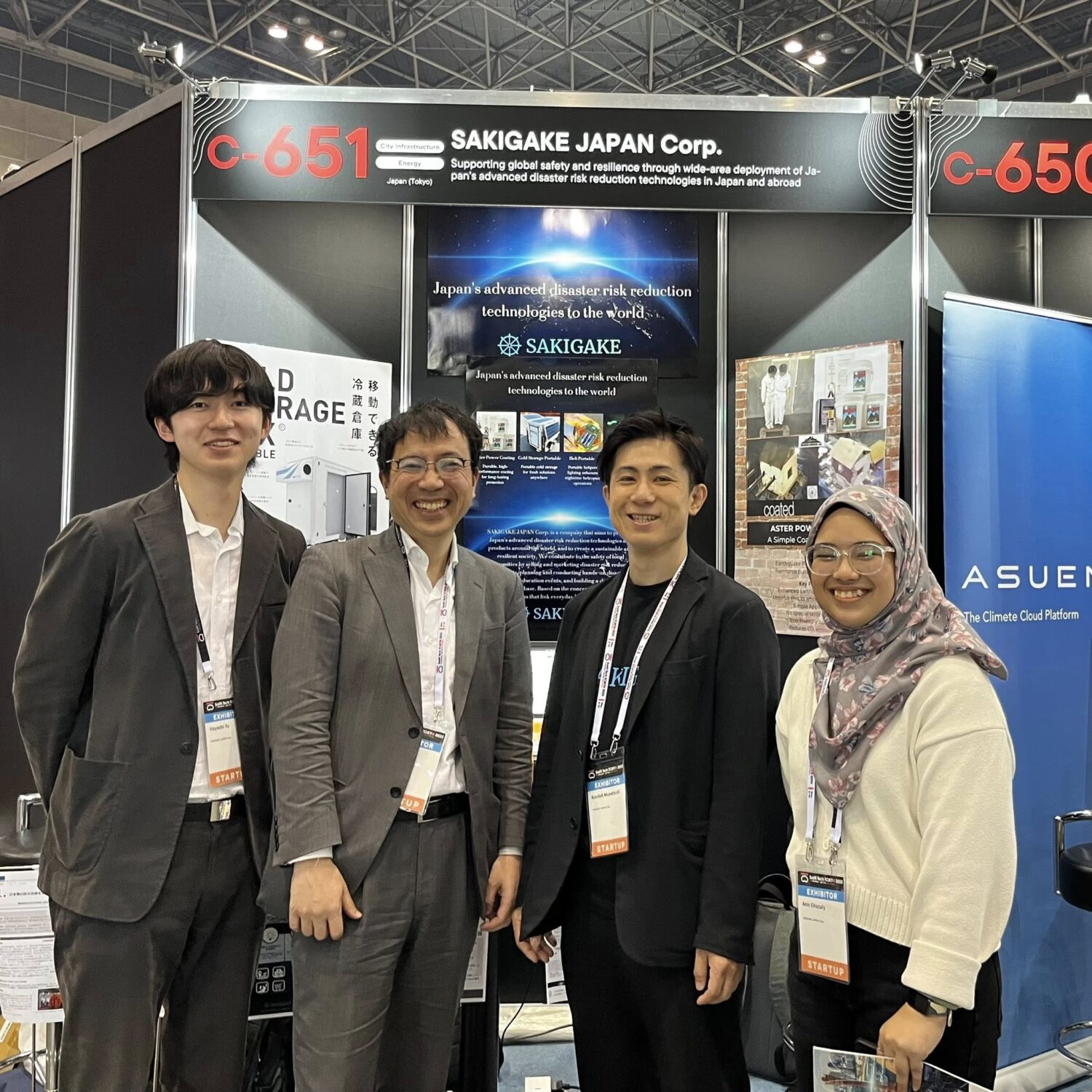
As extreme weather becomes part of daily urban life, the Tokyo-based startup Sakigake Japan is working to get resilience built into everyday routines. The company connects disaster-preparedness and climate-adaptation solutions with real-world use, creating value in normal times and becoming essential when crises strike.One of their solutions is an AI- and cloud-based platform that visualizes weather and flood risk, which is particularly important in Tokyo, where sudden, localized downpours can overwhelm infrastructure. The platform helps estimate inundation risks specific areas face, supporting earlier precautions and better planning.
The increasing heat is also a major concern that must be addressed, as if a large disaster hits in summer and air conditioning stops, temperatures in homes and other buildings can quickly become life-threatening.
Mobile cold-chain solutions could address that gap. Portable refrigeration units used for events and logistics in normal times, can then shift to evacuation support for food, beverages, and medicine during emergencies. In addition to being movable, they can operate off-grid when external power is lost, enabling faster, more localized responses when transport and utilities are disrupted.
Creating Rain Gardens and Green Infrastructure in the City
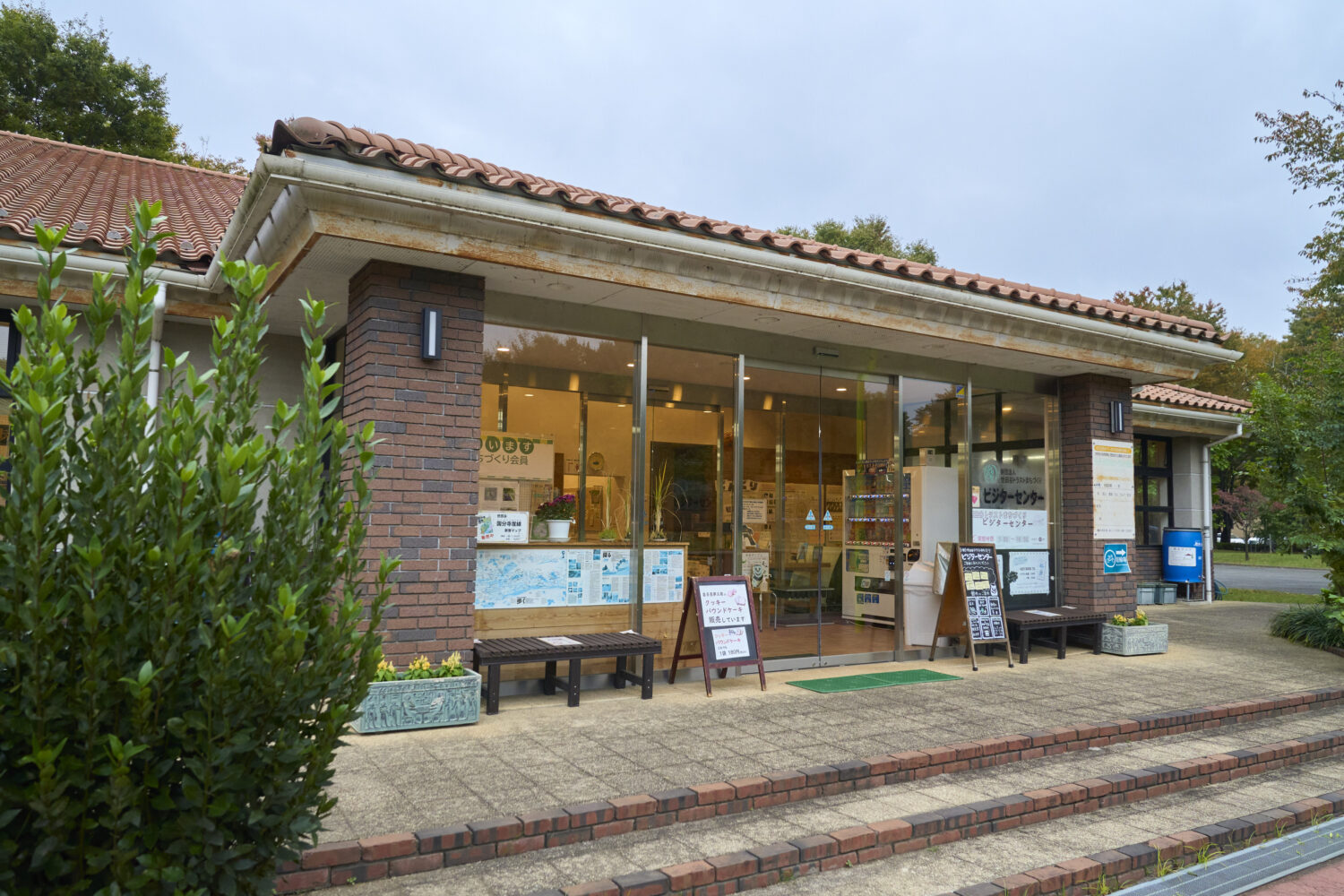
Setagaya City in Tokyo is a residential district known for its abundant greenery, and home to Setagaya Trust & Community Design, a new model for urban development, fostering community ties through green infrastructure initiatives, such as personal rain gardens.A rain garden collects rainwater from roofs and paved surfaces, holds it temporarily, and allows it to gradually soak into the ground. This helps reduce urban flooding and ease the heat island effect, among other benefits. Rainwater stored in tanks can also be used for watering gardens or during emergencies.
The idea is that if each household created one, it could help reduce flood risk across the community, so the initiative focuses on making rain gardens easy to build and enjoyable as an extension of everyday gardening, using materials readily available at home improvement stores and planting a variety of species to help create habitat for local wildlife.
As climate change increases the risk of urban flooding around the world, expanding bottom-up environmental efforts that begin with small, individually built rain gardens—alongside government-led infrastructure—can help strengthen disaster resilience in high-density cities like Tokyo.
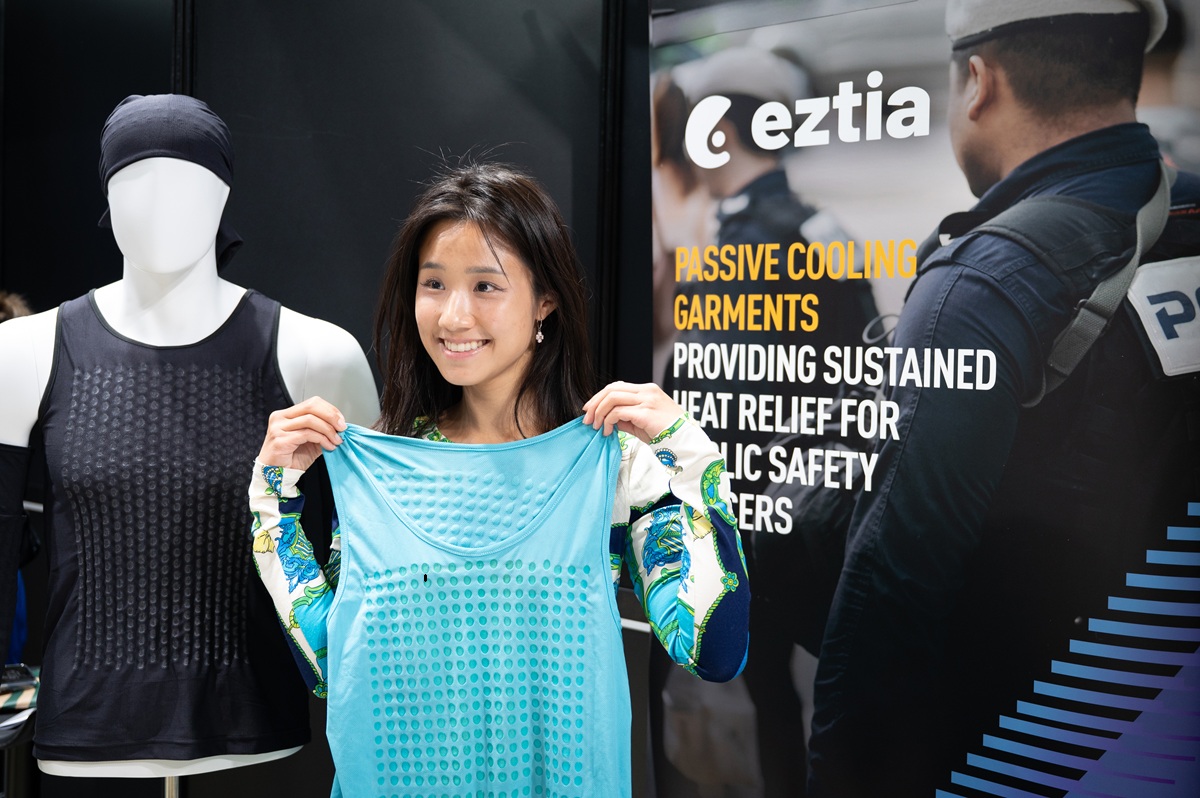
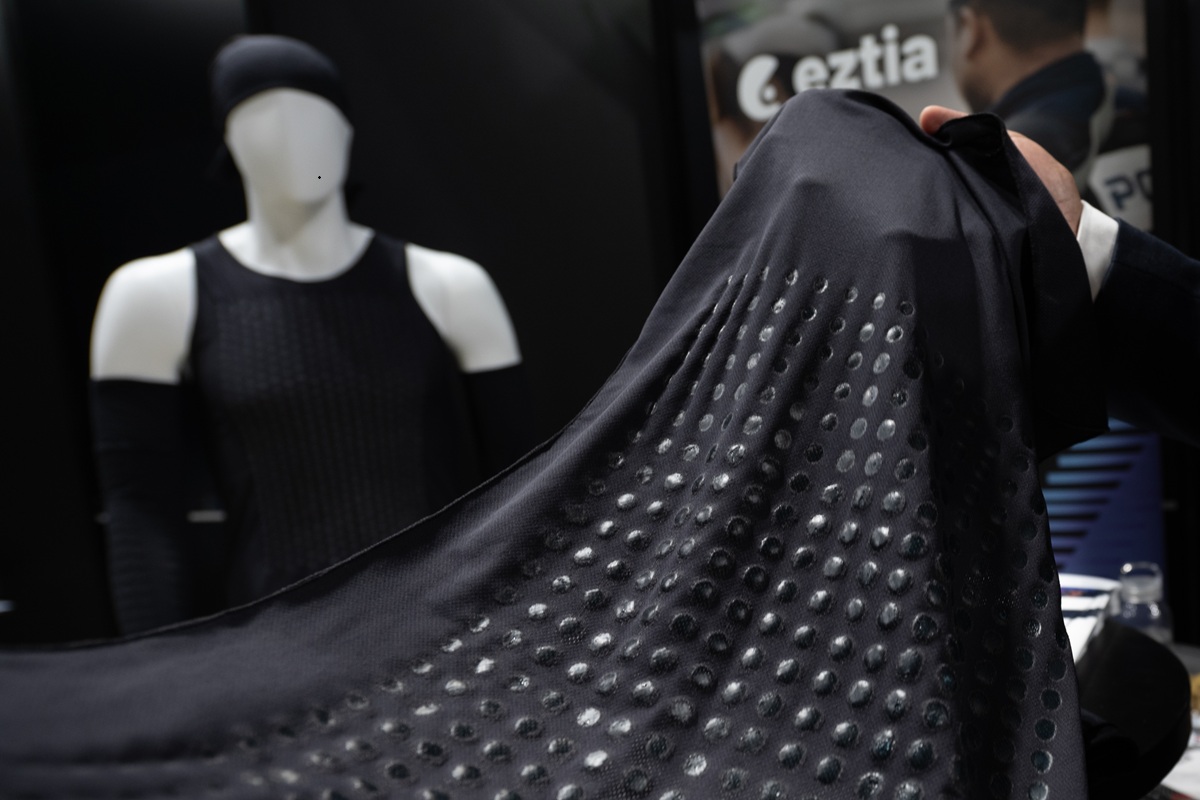
New Cooling Fabrics To Help Beat the Heat
As temperatures continue to rise, finding practical solutions for keeping people safe and comfortable is becoming a major challenge for cities around the world. Selected as a finalist for the pitch contest held at SusHi Tech Tokyo 2026, Asia’s largest global innovation conference, startup Eztia Materials has developed "HydraVolt," a next-generation cooling material aimed at people working in extreme heat sectors.HydraVolt can be printed on or sewn into garments and is designed to lower skin temperature through evaporative cooling by up to 10 degrees Celsius, for as long as 8 hours, no electricity or batteries required. The material is recharged through exposure to water and can be laundered just like regular clothing.
The company has had successful test results with cooling headwear for elementary school children, shirts and headbands with the Hokkaido Nippon-Ham Fighters professional baseball team, and arm covers for drivers at Yamato Holdings Co., Ltd., a logistics and parcel delivery company. The results suggest strong potential for the technology to be scaled and incorporated into daily life.
With heatwaves battering Europe and the United States, weather patterns becoming more extreme and natural disasters becoming increasingly common, countries and cities across the globe are seeking ways to adapt to the problems caused by climate change. With centuries of experience dealing with everything from earthquakes to typhoon season, learn from Tokyo's urban strength and preparedness, and see how resilience can be built into the structure of a city.