SAN FRANCISCO and LOS ANGELES – May 11, 2022 — Dialysis Education Services, a board-certified vocational school that trains thousands of dialysis technicians throughout the country, and Lifeliqe, a global educational technology company that develops 3D and VR simulations for workforce development and classroom learning, announced today that they have joined forces to help solve the staffing shortages plaguing dialysis centers nationwide by scaling technician training through a hybrid in-person and VR curriculum.
The US is facing a healthcare training crisis for several reasons, including a lack of access to in-person training during COVID-19 and industry churn, which has resulted in the inability to fill positions. By merging traditional face-to-face teaching with simulation technology, Dialysis Education Services optimizes training to fill critical nephrology workforce vacancies with skilled talent.
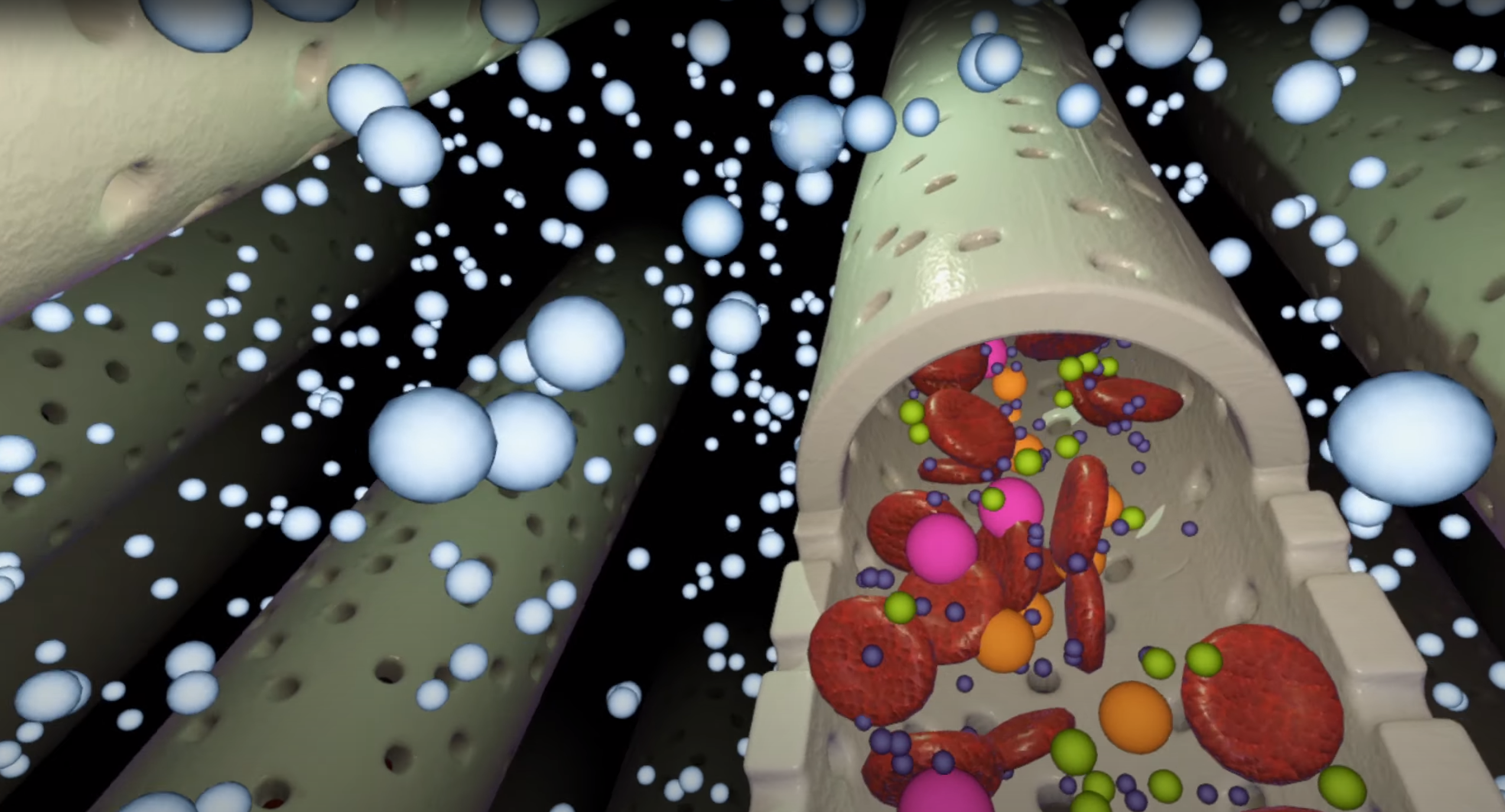
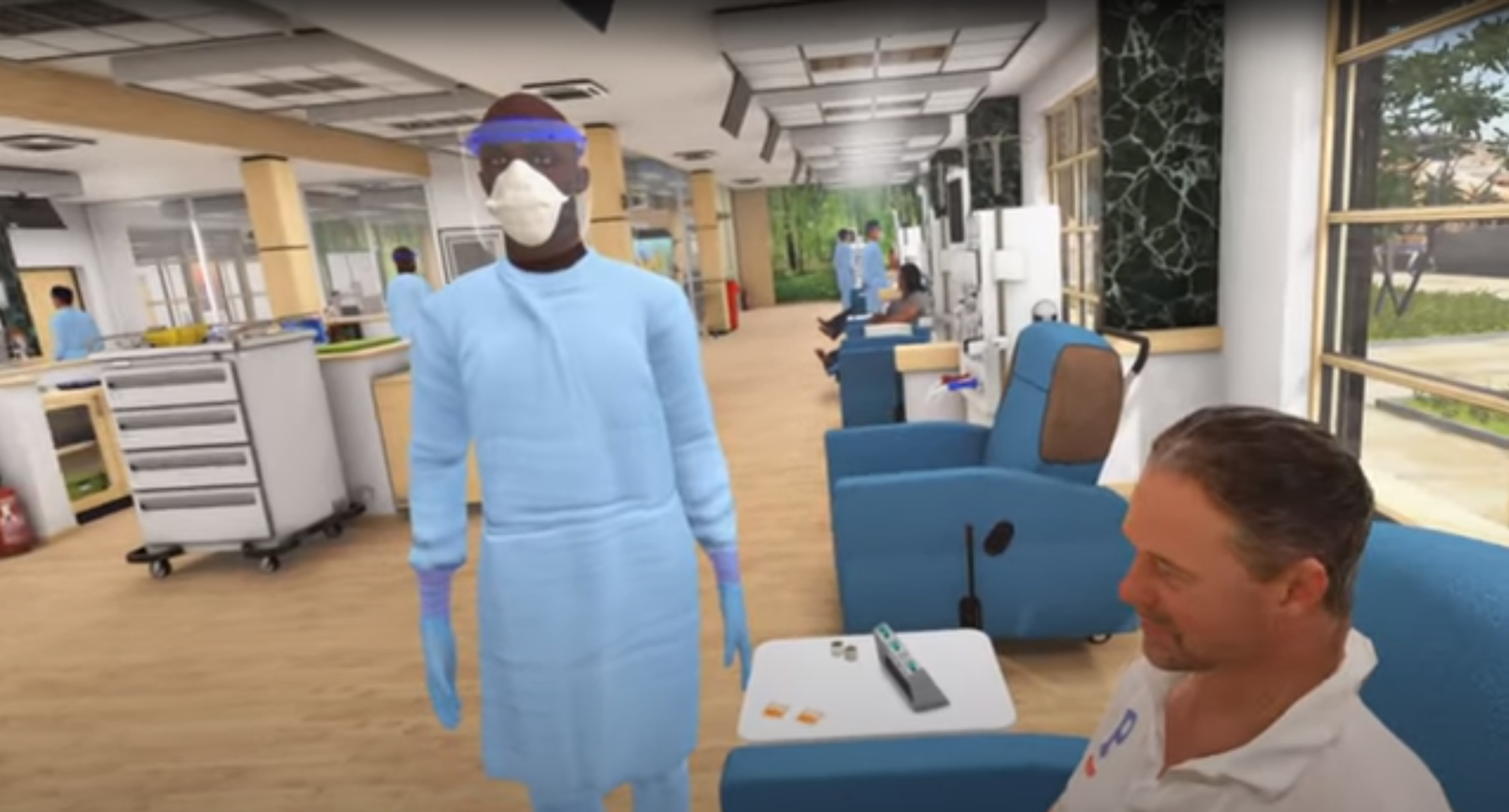
The virtual training, which students can complete on-demand at their own pace, includes 3D models to simulate the skills required to work in a dialysis clinic without the fear of making a mistake. Students in the immersive dialysis simulation in VR on the Neo 3 Pro from Pico Interactive can repeat it as many times as needed to learn abstract scientific concepts and practice key skills, reducing error rates during certification. Dialysis Education Services also provides Lifeliqe’s VR training to dialysis organizations to maintain and enhance their technicians’ skills as a part of their continued education.
“As the labor shortage cripples the nation’s dialysis facilities, we have been looking to scale our nationally-approved Hemodialysis Training Program to meet the need. Lifeliqe’s VR simulation training is so close to reality that a student can get training that exceeds industry standards more efficiently and cost-effectively,” says Michael Morales, Chief Executive Officer of Dialysis Education Services. “This is a game-changer for the industry.”
Lifeliqe’s 3D content aligns with the Medical Education Institutes’ (MEI) Core Curriculum for the Dialysis Technician textbook and was created with guidance from multiple dialysis field experts. The simulations are based on the cognitive-affective model of immersive learning which is proven to improve learning outcomes, more efficiently transfer knowledge, and reduce error rates. Plus, it was found in a meta-analysis that “VR improved emotional empathy…and generated feelings of care and concern in response.” This is beneficial when training new dialysis technicians because students learning in VR will be better able to connect with patients and what they’re going through.
“We are excited to be working with Dialysis Education Services because they are experts and innovators in the industry,” said Mark Andersen, co-founder of Lifeliqe. “I believe that Michael and his team are the first independent vocational school to offer this groundbreaking education technology to train their students.”